Routes and trips
 Map
Map MPR - cyclist-friendly places
 POI
POI Plan your trip
 Bike counters
 Publications
 News
News Route concept
 Contact
 Bright lights and cold beer - Berlin's industrial heritage
 “Bright Lights and Cold Beer“ Bicycle Route, developed by Berlin Center for Industrial Heritage. industriekultur.berlin
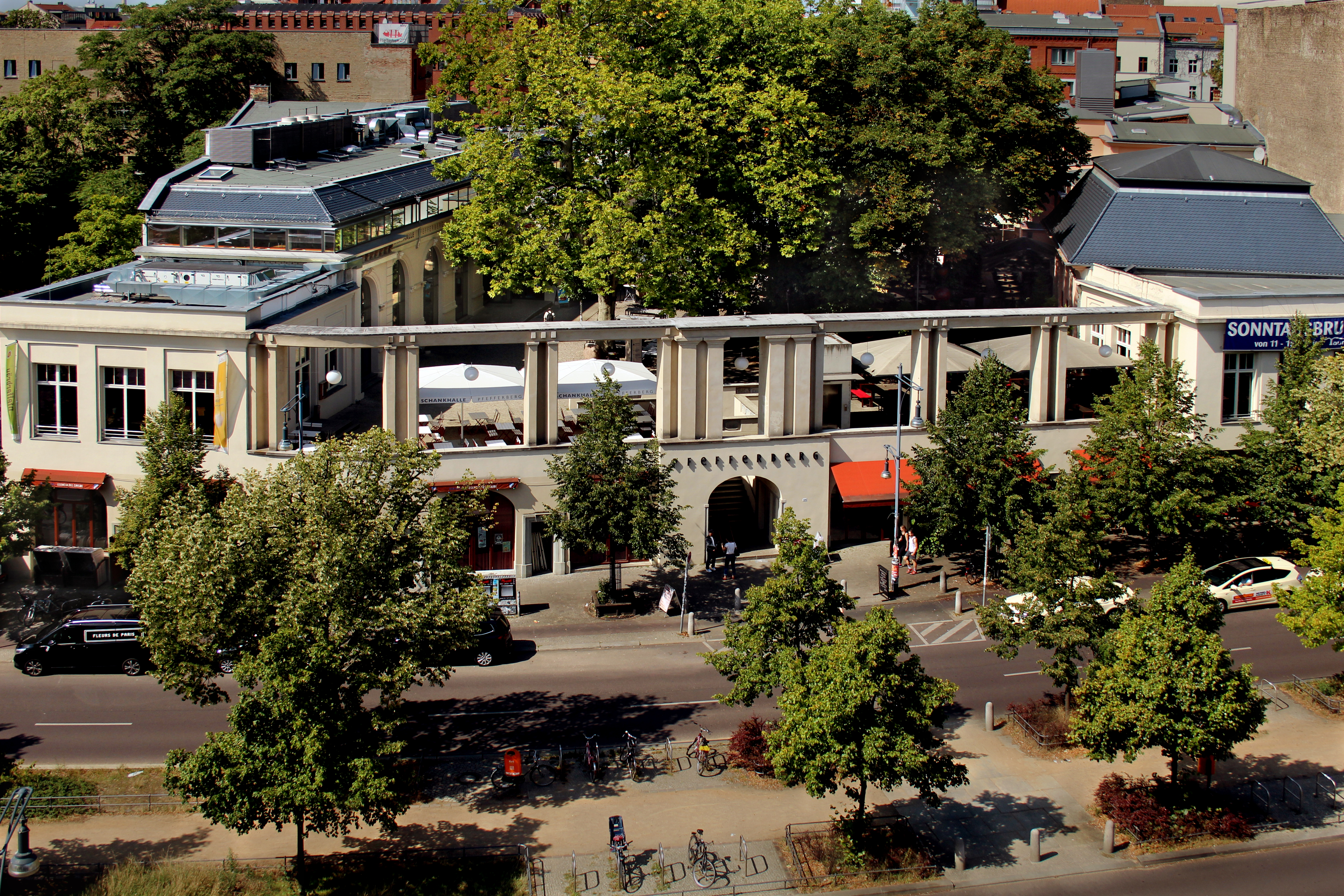
Hard work makes you thirsty! No wonder the Industrial Revolution witnessed the construction of many breweries alongside new factories and working-class neighborhoods, thus quenching the thirst of the rising capital of Berlin. The new bottom-fermented brewing process imported from Bavaria was perfectly suited to industrial production. And the hilly topography of Prenzlauer Berg (Berg being German for “hill”) facilitated the construction of large cellars necessary for cold storage. There were more than a dozen breweries here around 1900.
With the rise of the electrical power and engineering industries around 1880, Berlin made the jump from large city to metropolis. Workers from Pomerania and Silesia sought their fortune in the boomtown. Small workshops like Siemens & Halske, initially located in rear courtyards, grew into multinational corporations. Berlin became a testing ground for modern life. Underground electric cables were laid next to water and gas lines, providing the metropolis with power.
This network surfaced at electrical substations. These imposing structures of burgeoning industry changed the face of the city. Initially built in the historicist mode popular in Imperial Germany, they later favored the style of the New Objectivity.
What is more, the electrification of machines, illumination, transportation, and communications media changed the working and everyday lives of the city’s inhabitants – they were literally “electrified.”