Routes and trips
 Map
Map MPR - cyclist-friendly places
 POI
POI Plan your trip
 Bike counters
 Publications
 News
News Route concept
 Contact
 The Palace and Palace Park
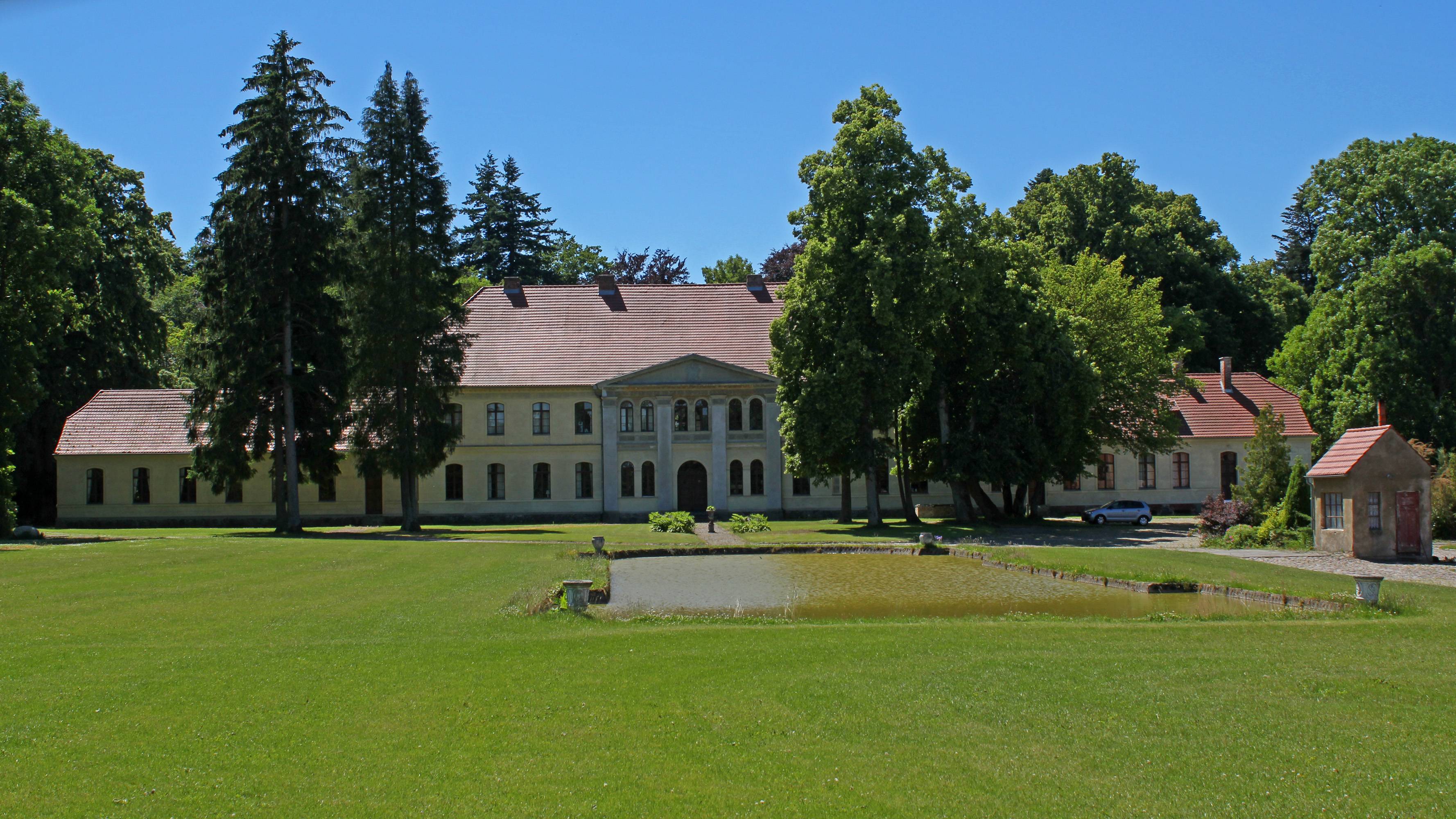
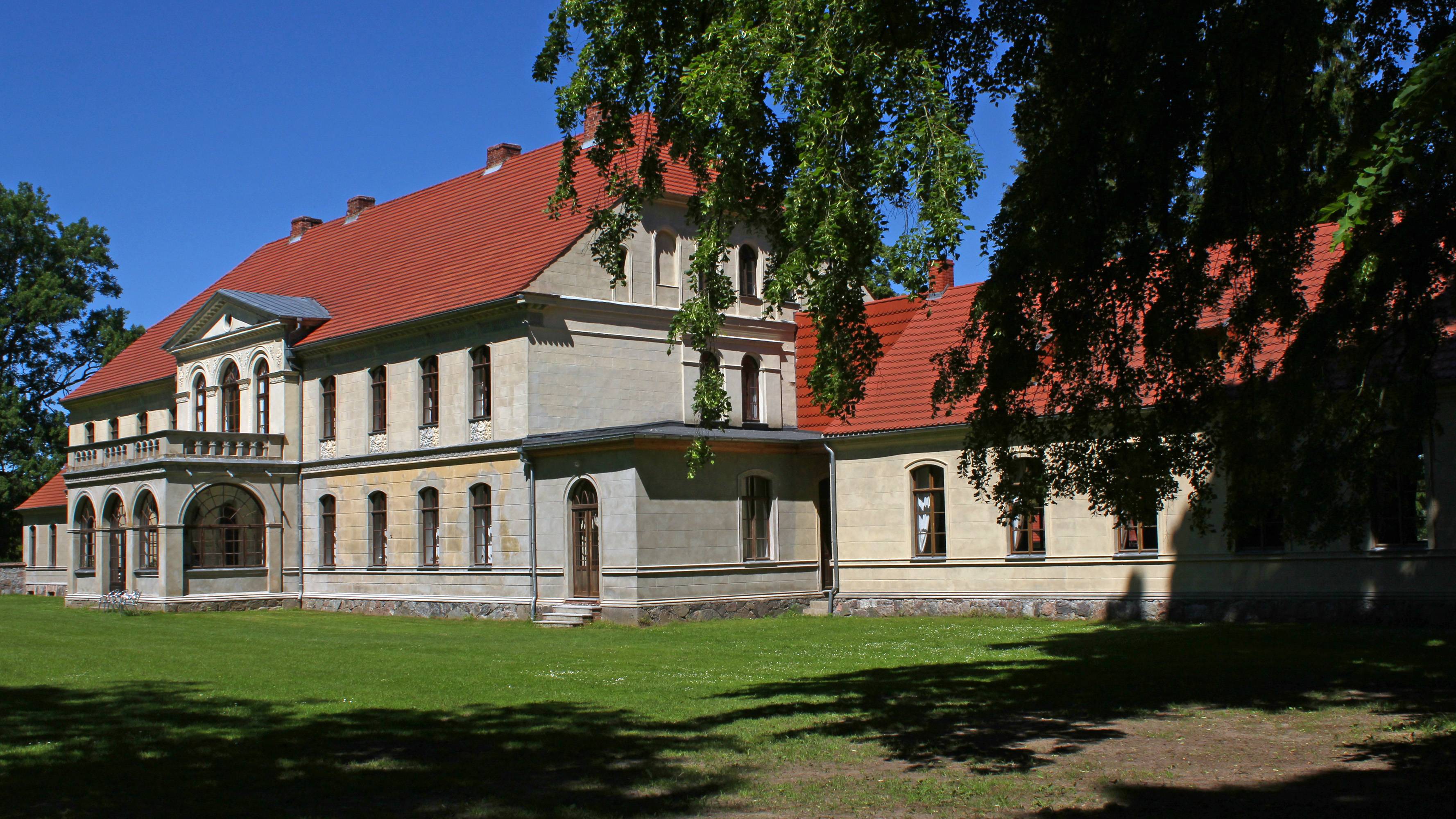
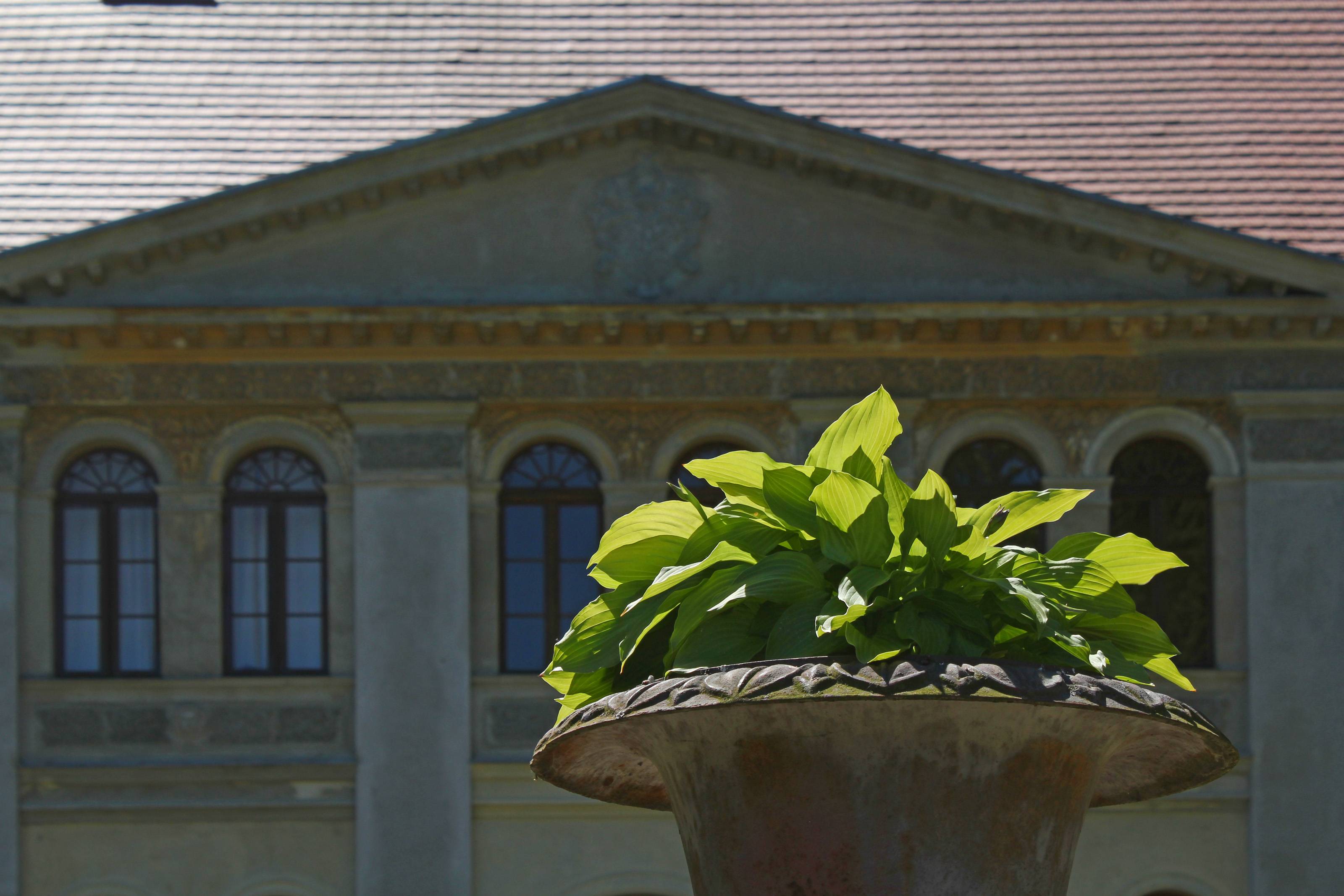
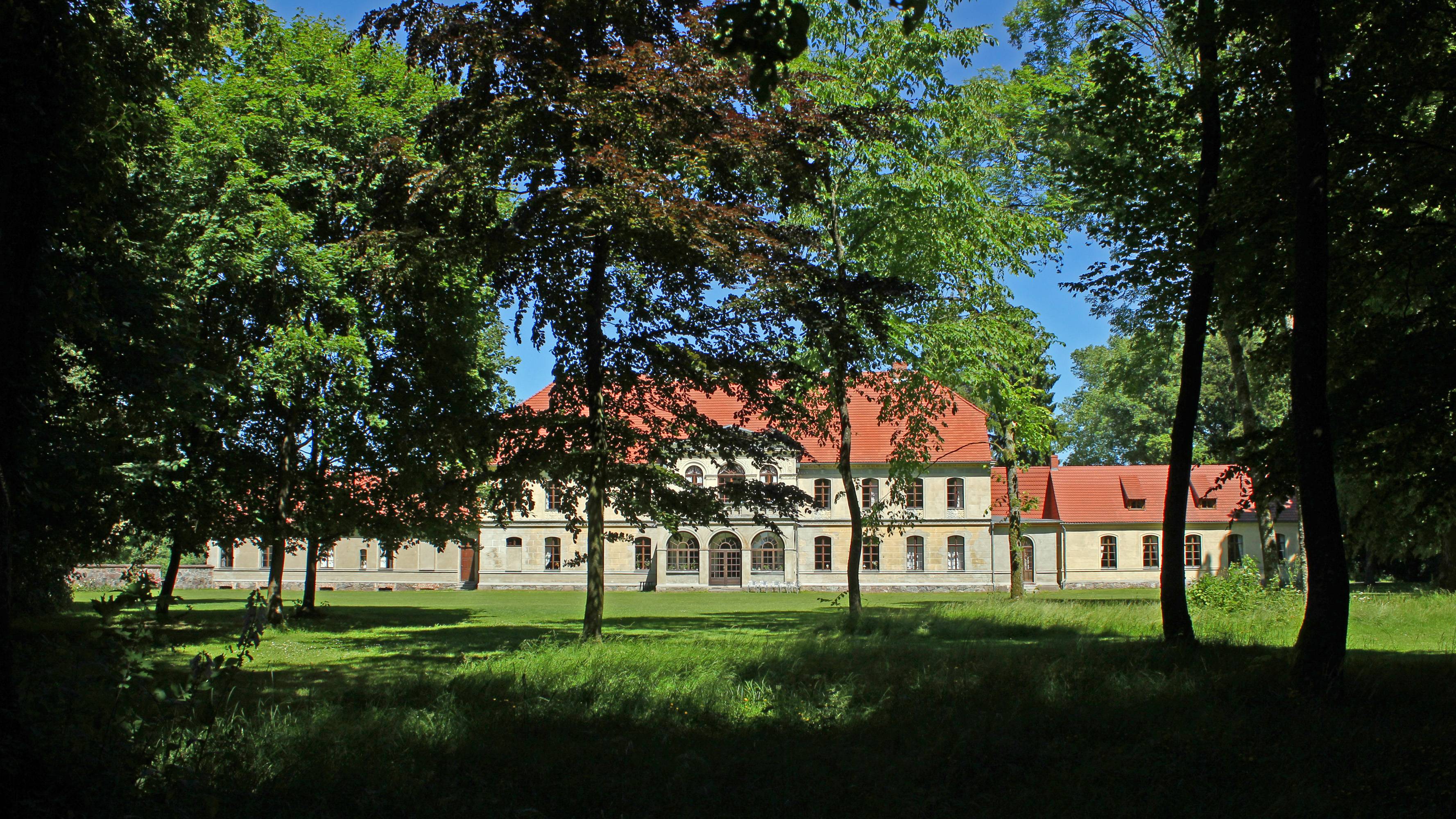
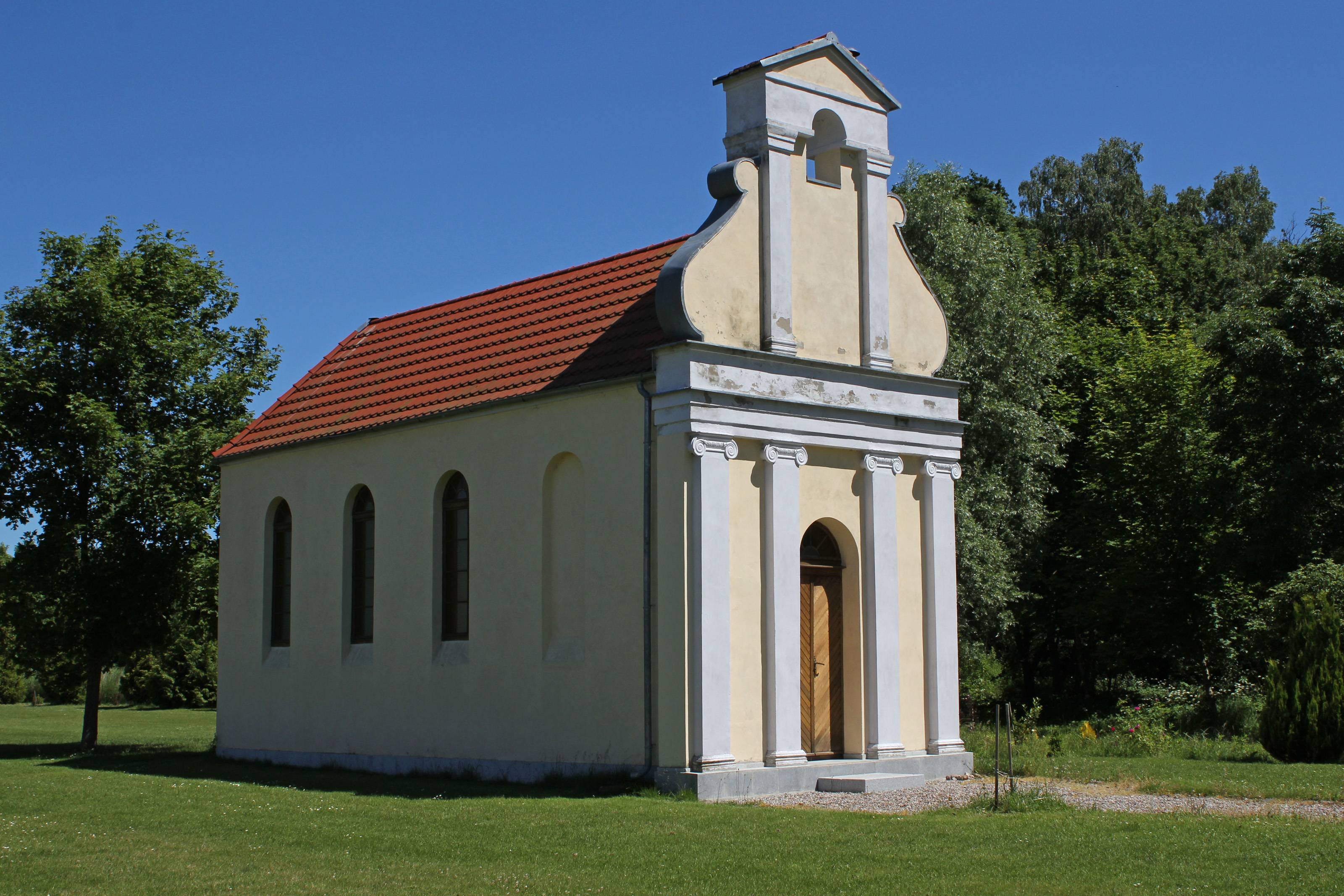
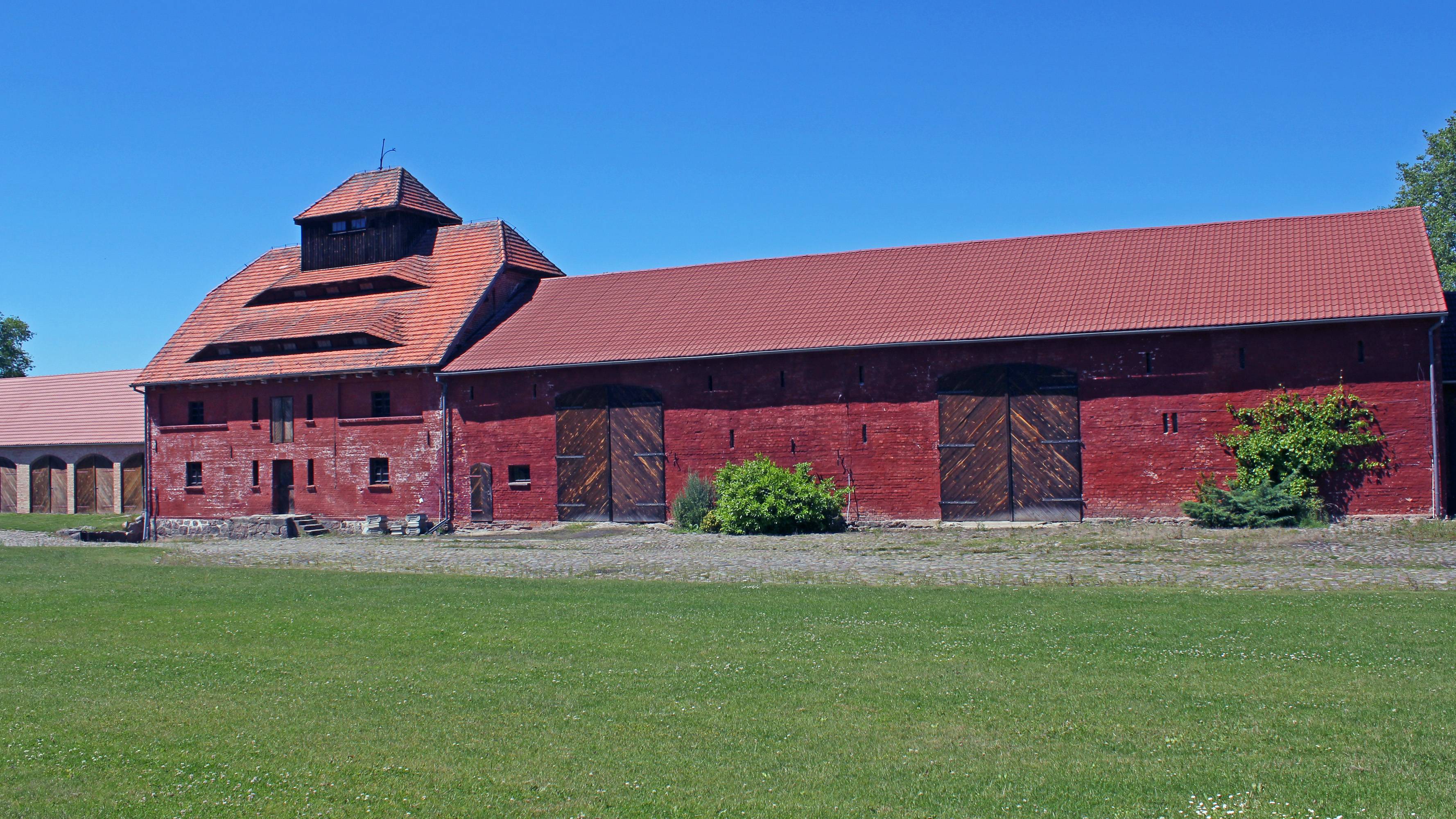
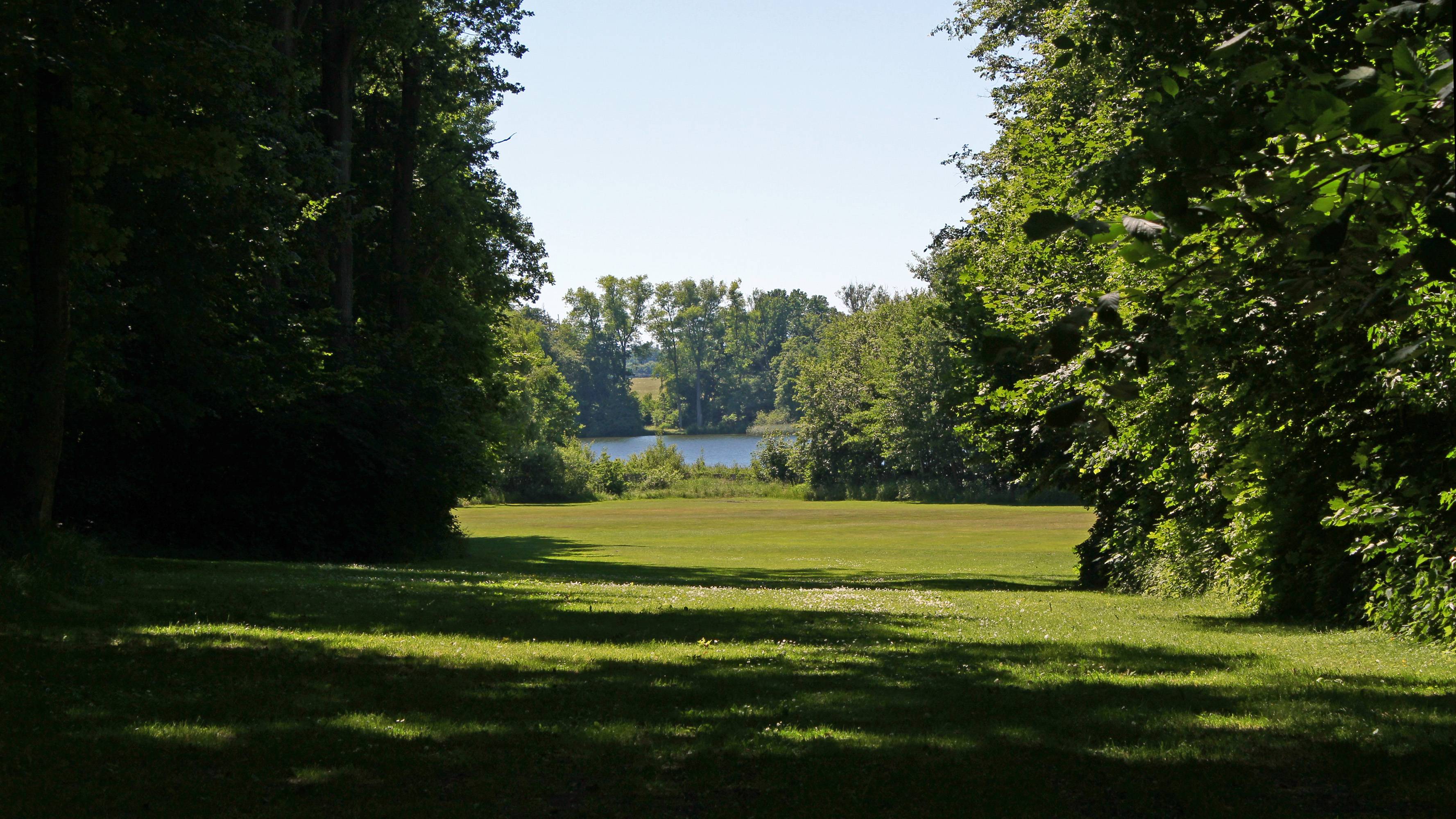
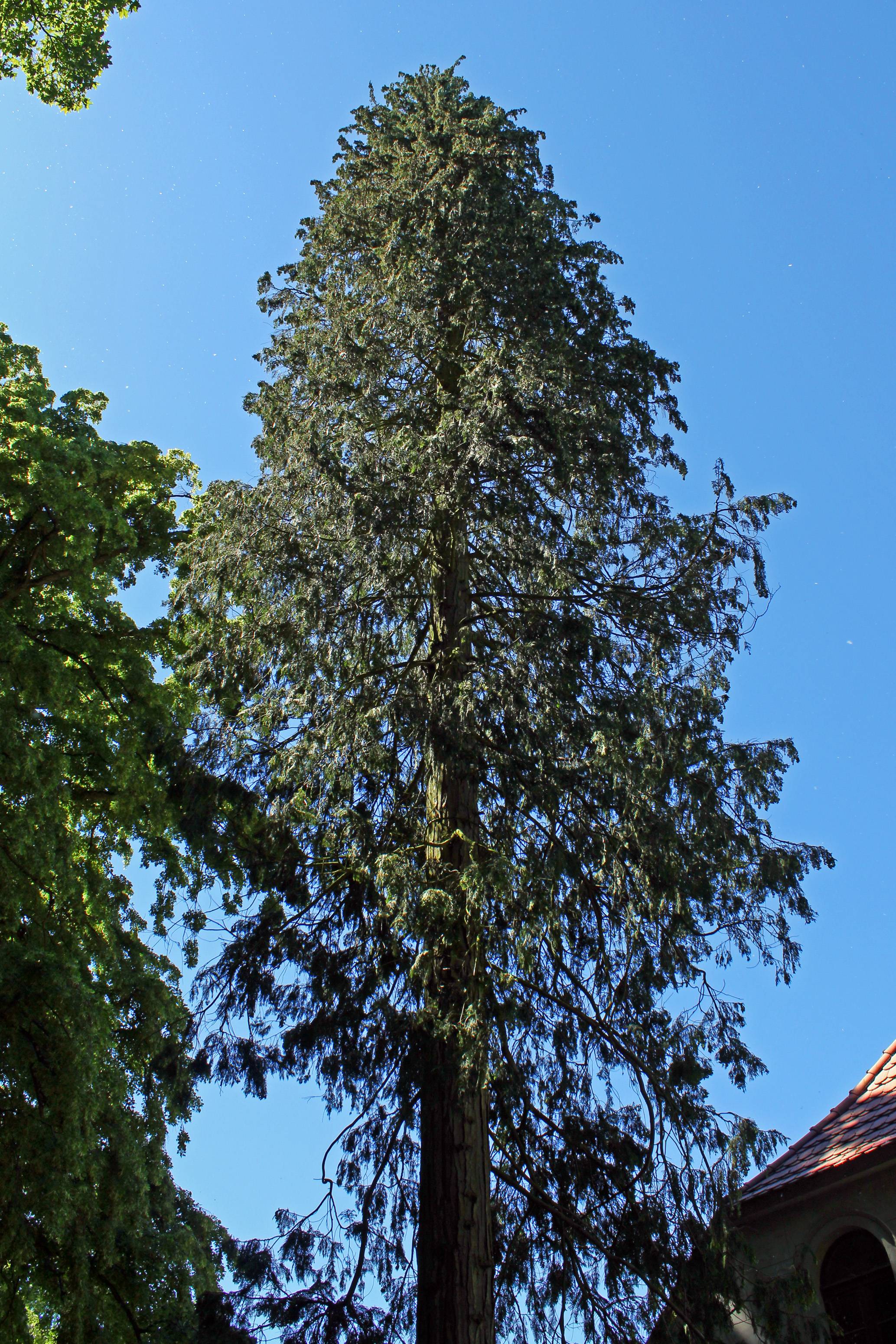
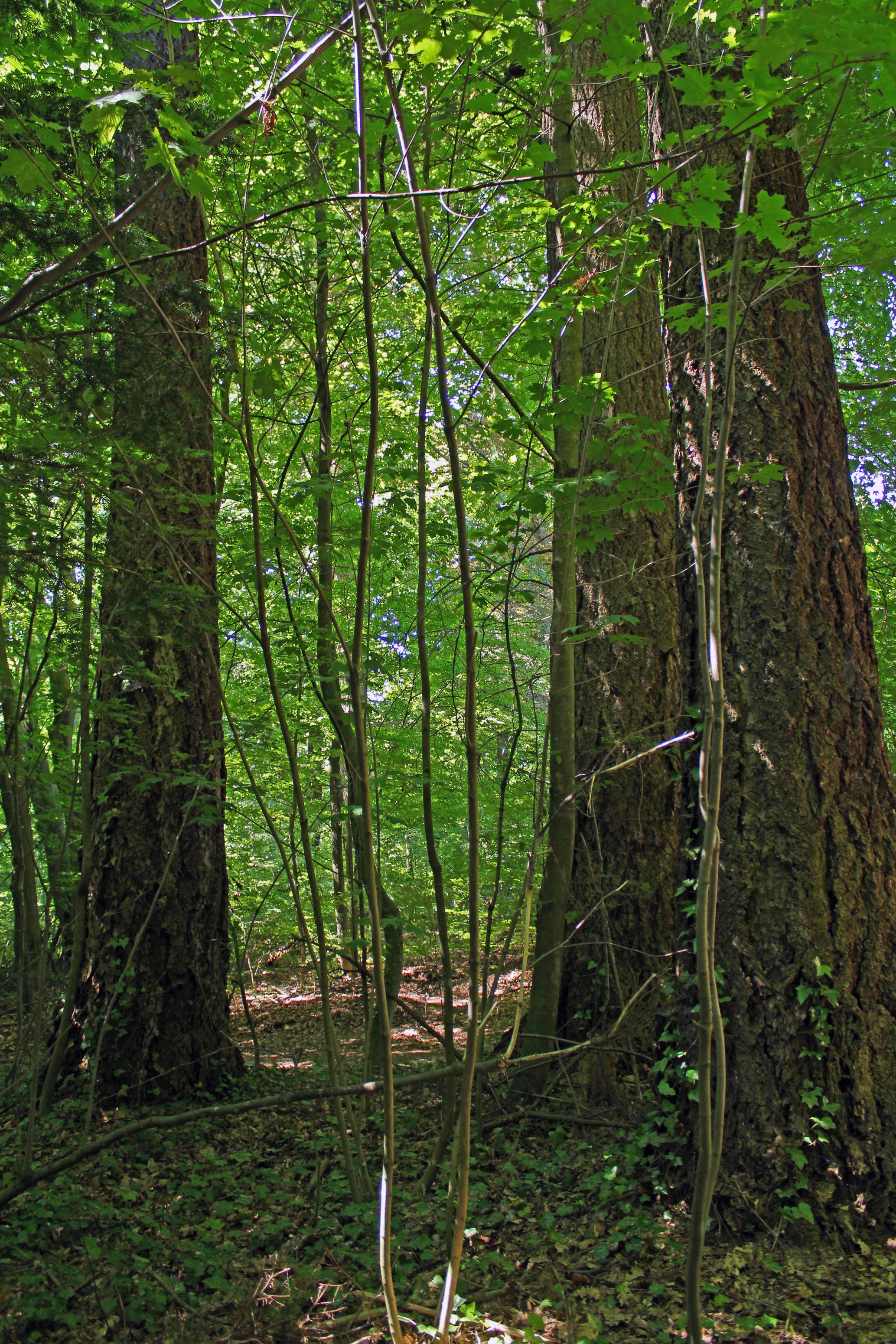
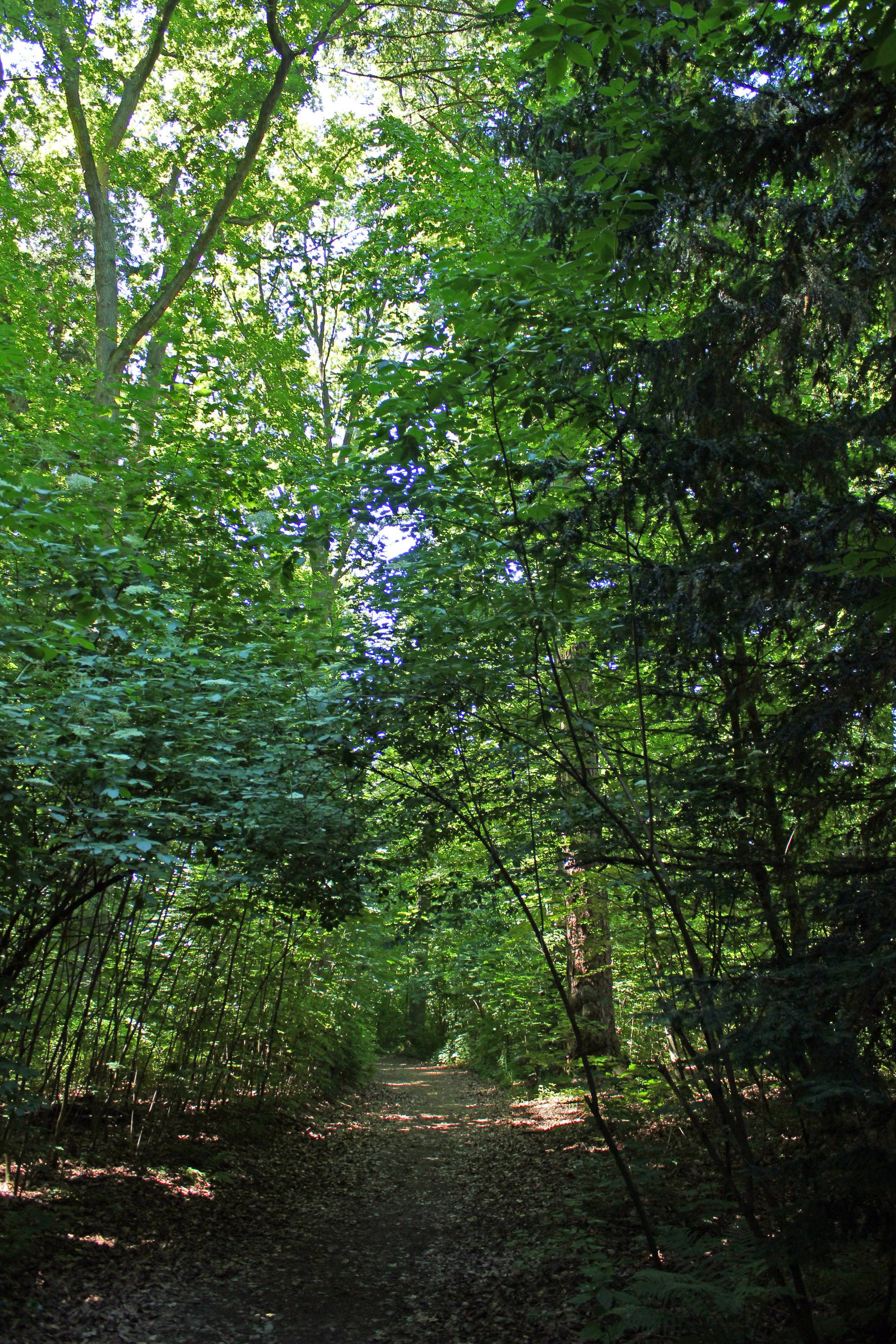
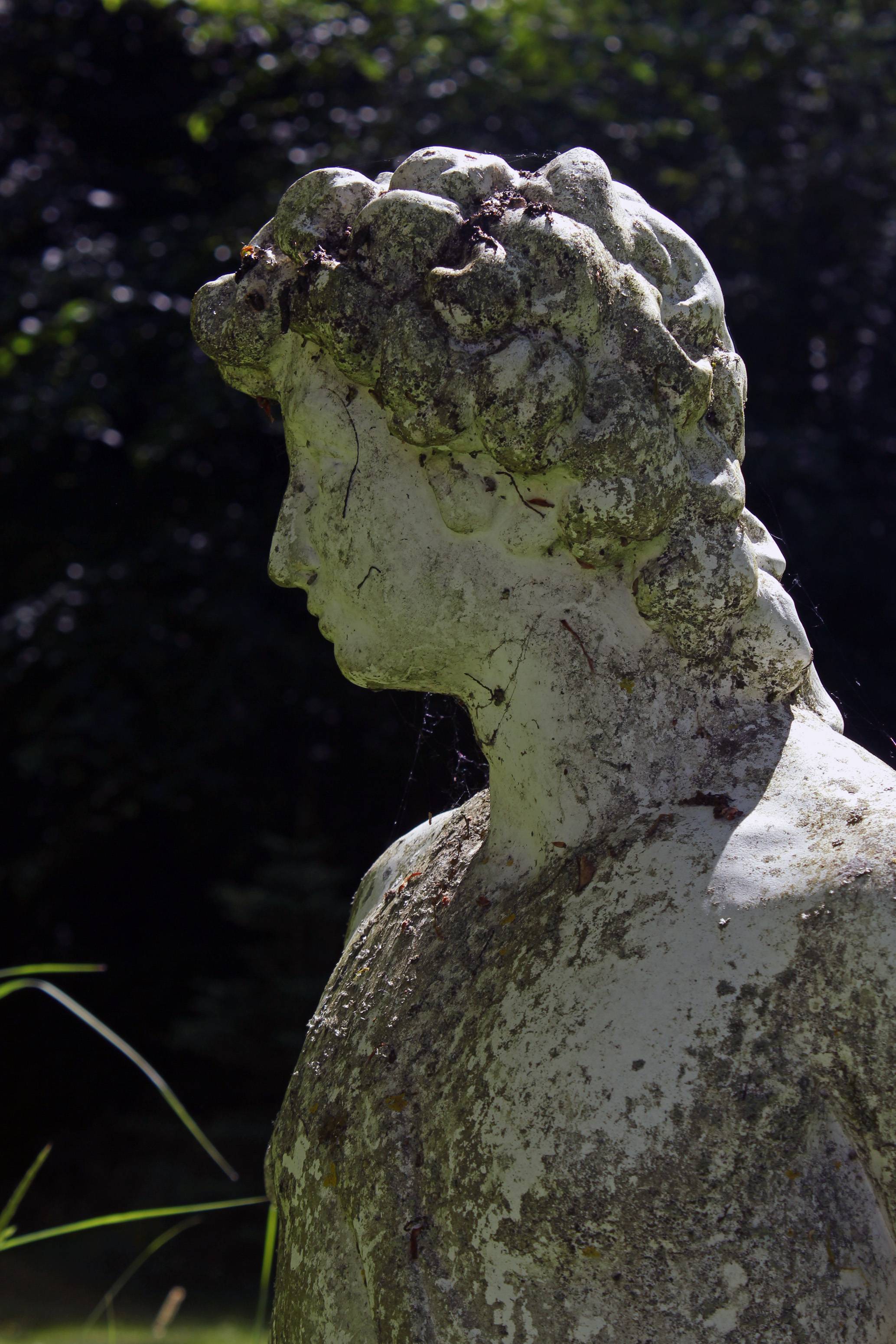
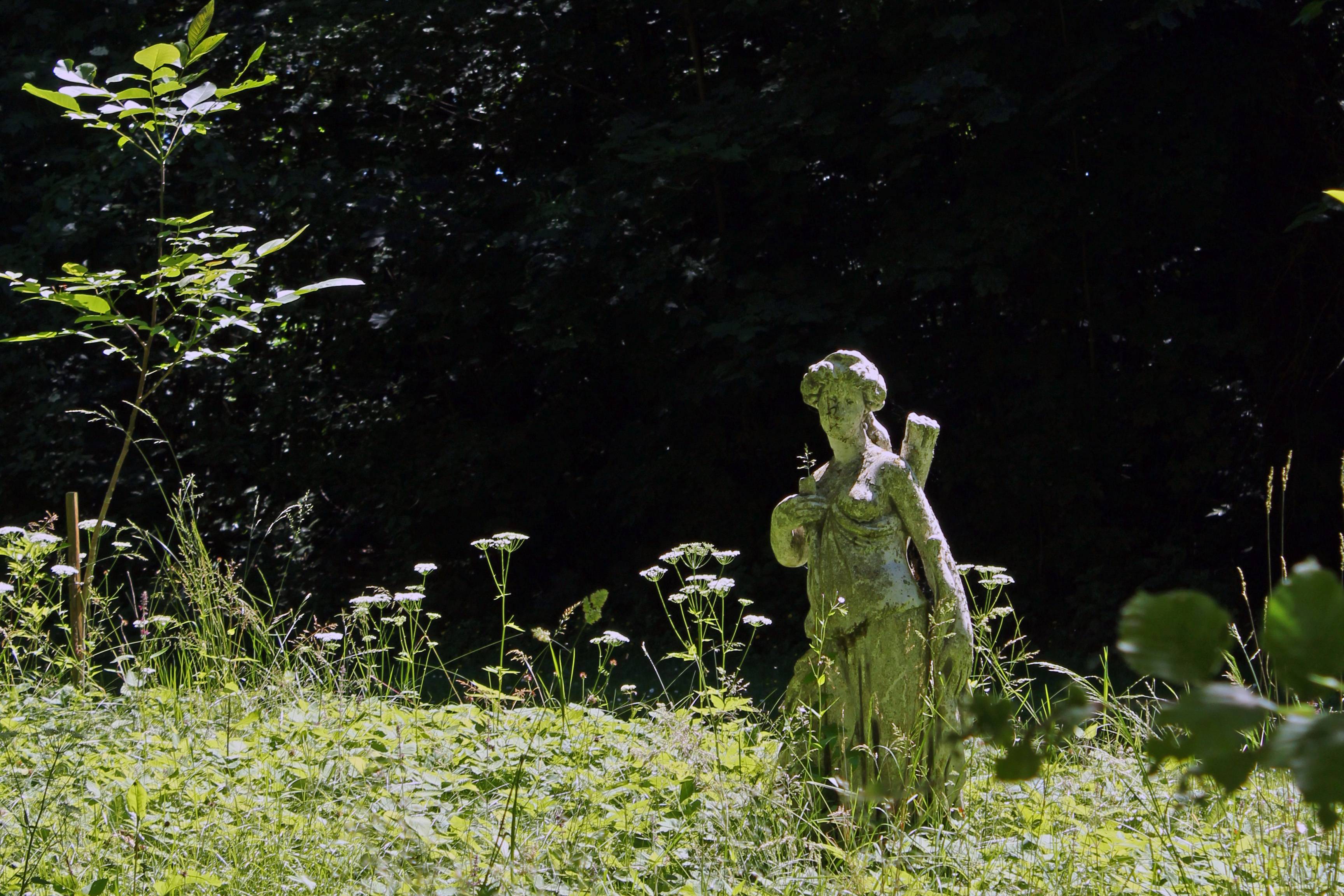
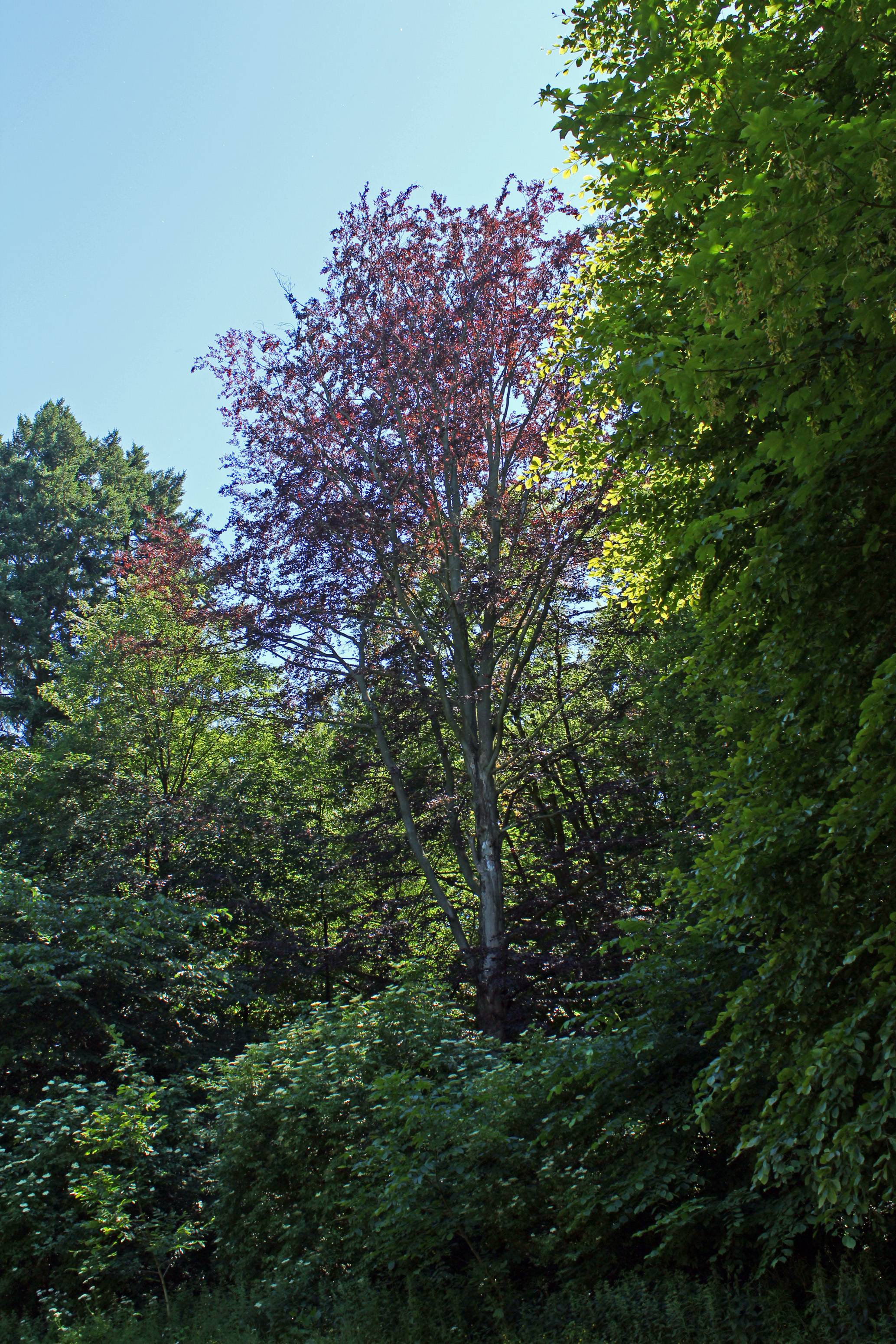
 The palace in Leków was built in 1800 for the von Cleve family. It was designed in the Classicist style. In the 19th century, the palace was expanded. At that time, a side annex was added on the south side, and a side wing on the north side, which was built with a basement and serves as an extension of the palace. The palace was built of brick on a high stone foundation. The building was constructed on an elongated rectangular plan. The palace has two stories and a two-level attic. A triangular-topped risalit is centered on the front facade. The garden facade also features a beautiful risalit. The risalit on the garden side is preceded by a veranda covered by a balcony. The veranda has large windows and an entrance door. The building has rectangular windows, topped with arches on the upper level. Above the main body and the outbuilding is a gable roof with steep slopes. The palace has a volume of 3,610m³ and a usable area of 732m². After World War II, the palace was taken over by the Polish Agricultural Enterprise, which set up offices and staff housing for its employees there. In 1996, it passed into private hands and has since been systematically renovated, gradually regaining its former splendor.The palace can only be admired from the outside. Adjacent to the palace is a landscape park and farm buildings. The palace park is very picturesque. It was designed in the landscape style. There is a pond within the park (originally there were two). The park stretches along the lake, where visitors can stroll and admire the beauty of the place. Unfortunately, the walking paths have become overgrown. There are approximately 4,500 trees in the park. The park’s tree population consists mostly of native species, but there are also exotic species here. The following species grow here: Norway spruce, English oak and sessile oak, European beech, Norway maple, small-leaved linden, acacia, Lawson cypress, red-leaved beech, blue spruce, silver fir, California fir, and Canadian hemlock. There are also monumental specimens here, such as: an oak with a diameter of over 1.5 m, two European beeches with diameters of 1.5 m and 1.2 m, a Douglas fir with a trunk diameter of 1.2 m, and a beautiful specimen of a three-trunk beech.

You will not get lost on the route with us! In our application you will find a detailed map of routes and excursions, interesting places and events, 360 panoramas and much, much more!