Routes and trips
 Map
Map MPR - cyclist-friendly places
 POI
POI Plan your trip
 Bike counters
 Publications
 News
News Route concept
 Contact
 Palace Park
 The palace park with its approach avenue in Karwice—as the site is officially known—was established in the early 19th century along with the construction of the palace, which has survived to this day.
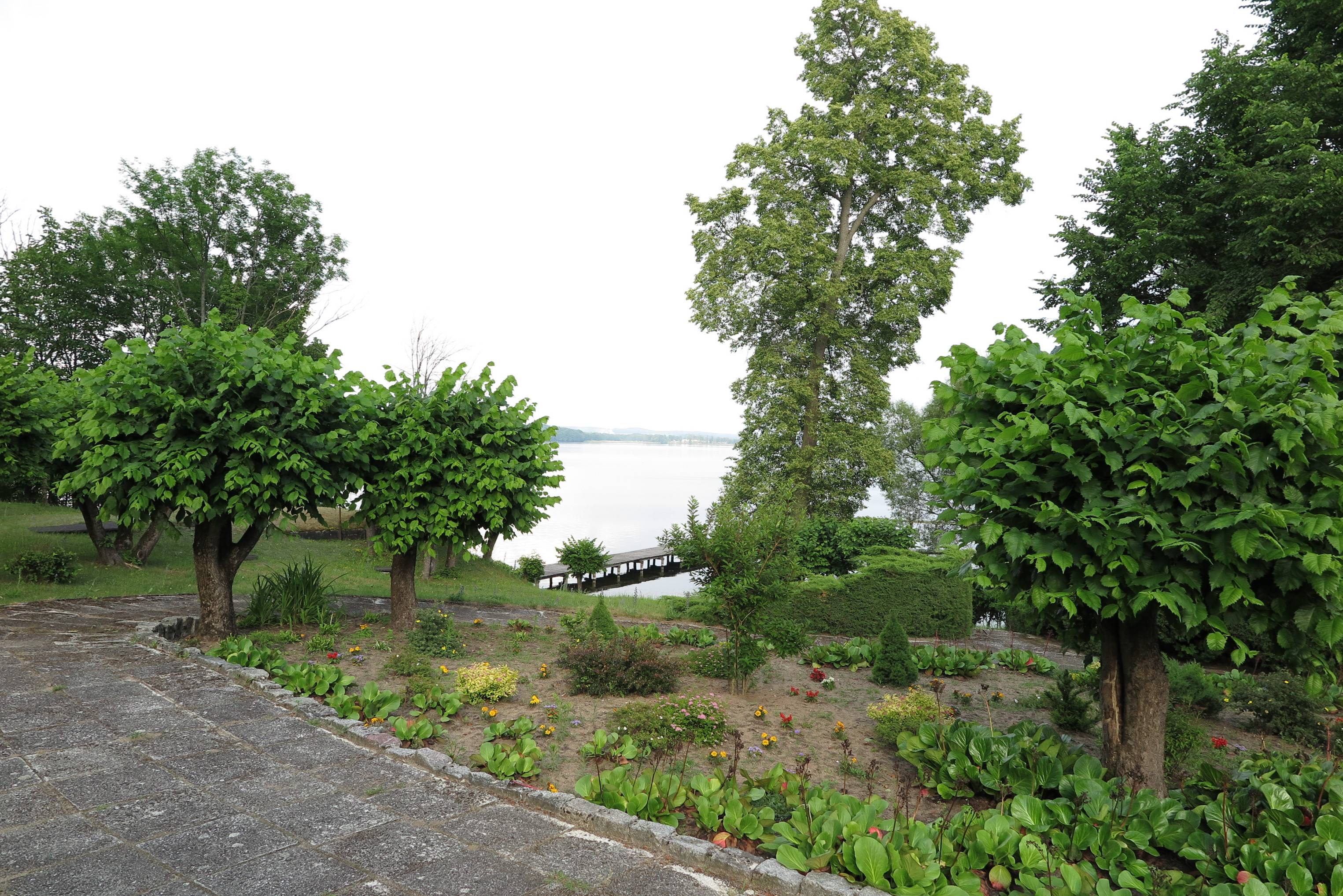
The park covers 3.5 hectares and stretches along a lakeside slope, which highlights the uniqueness of the site and creates a beautiful backdrop for the historic palace.
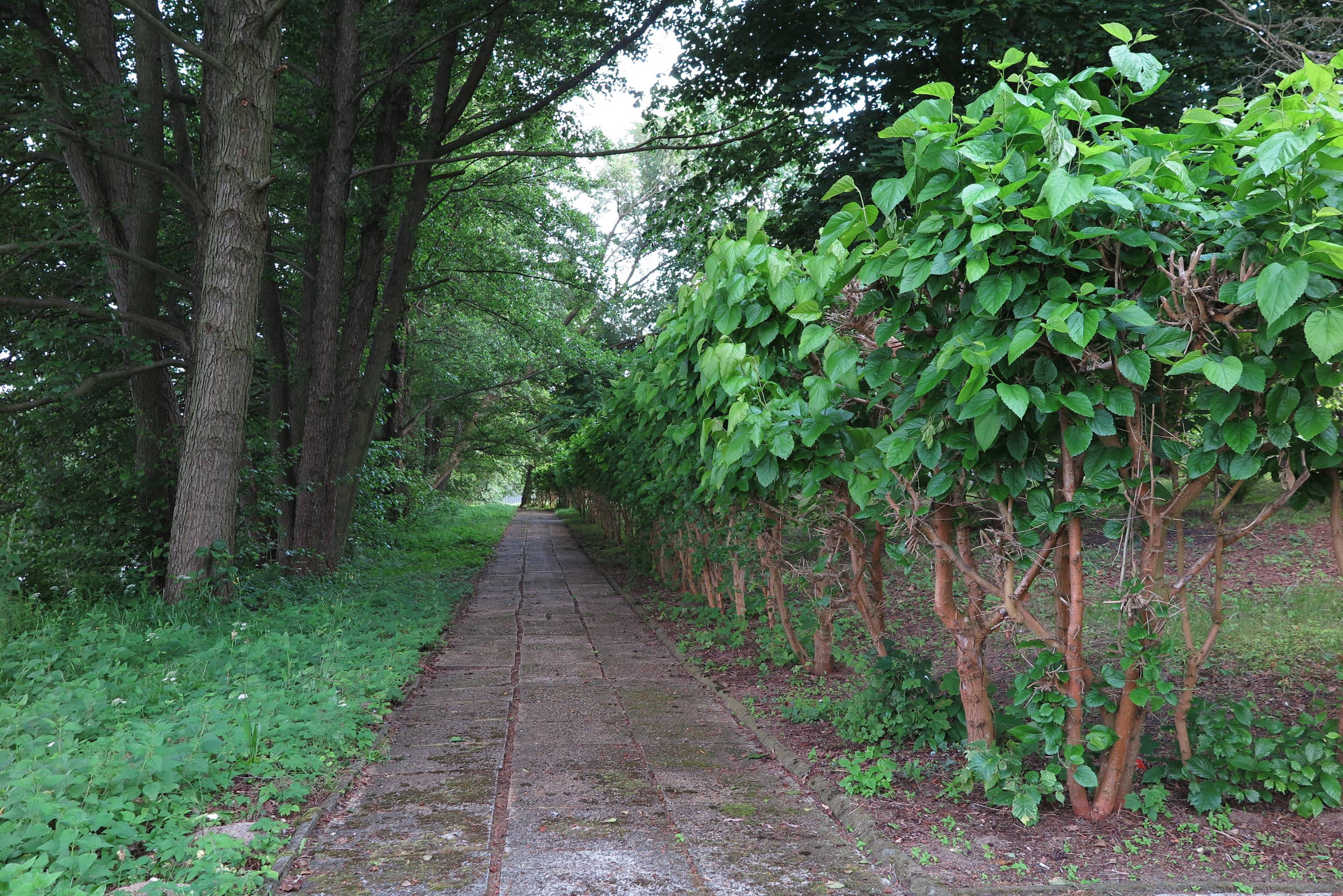
The park consists mainly of trees, giving the site a wooded and natural character. The tree stand is described as mixed, with a slight predominance of deciduous trees. Species found in this area include alder, fir, birch, plane tree, yew, oak, and linden, the latter of which is represented by a magnificent specimen designated as a natural monument. The park also features numerous ornamental shrubs that soften its rather austere appearance.
The park’s walkways remain accessible to visitors, but it lacks recreational infrastructure such as benches.
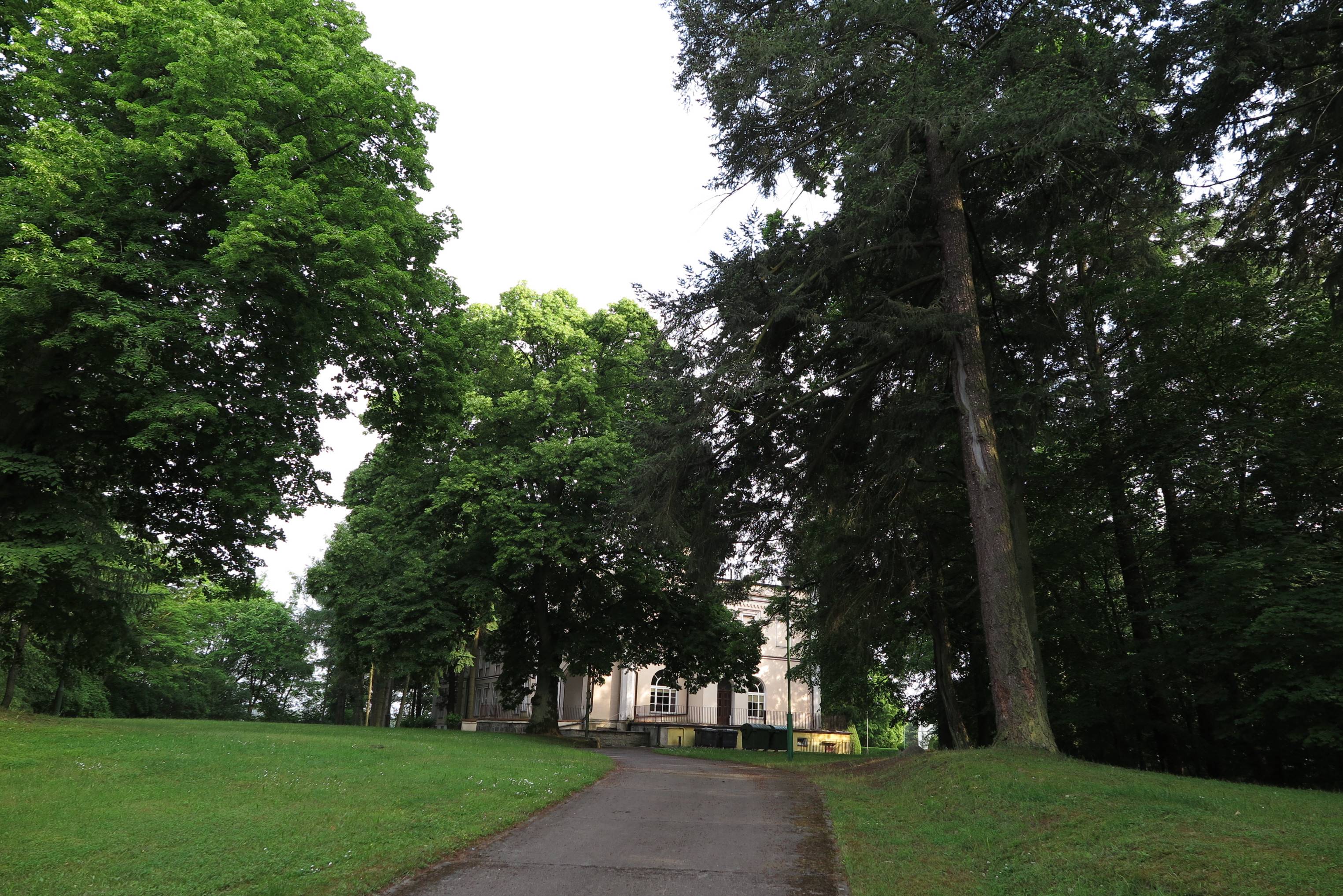
There are two noteworthy structures within the park—the palace and the access avenue. The palace is a classic example of a neo-Gothic manor house. It is the best-preserved example of residential architecture in the municipality. The tower and the numerous decorative details on the building’s facade deserve special attention. Currently, the building houses a luxurious Military Training and Recreation Center that is open to the public.
An access road leads from the town center all the way to the palace itself. It is lined on both sides with trees spaced at regular intervals, giving it an elegant appearance.
Another interesting feature in the park is a solitary gravestone belonging to R. Volkman—the owner of the estate in Karwice—dating from 1942. It is located in the heavily forested northwestern part of the park.
Along the shore of the lake, which coincides with the park’s boundary, there are several piers open to the public for walkers and tourists. The longest one is located right next to the palace, with wooden stairs leading down to it.