Routes and trips
 Map
Map MPR - cyclist-friendly places
 POI
POI Plan your trip
 Bike counters
 Publications
 News
News Route concept
 Contact
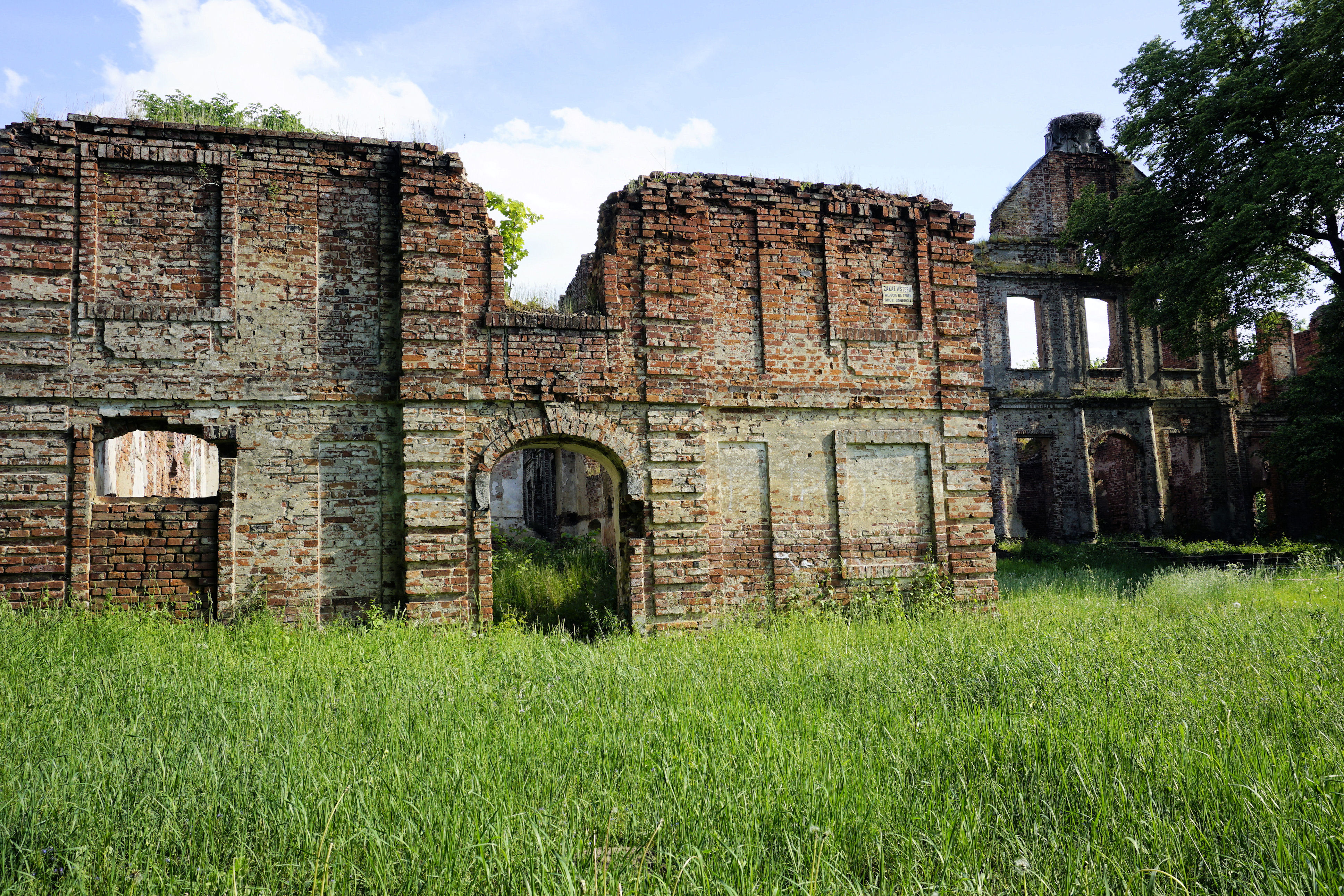
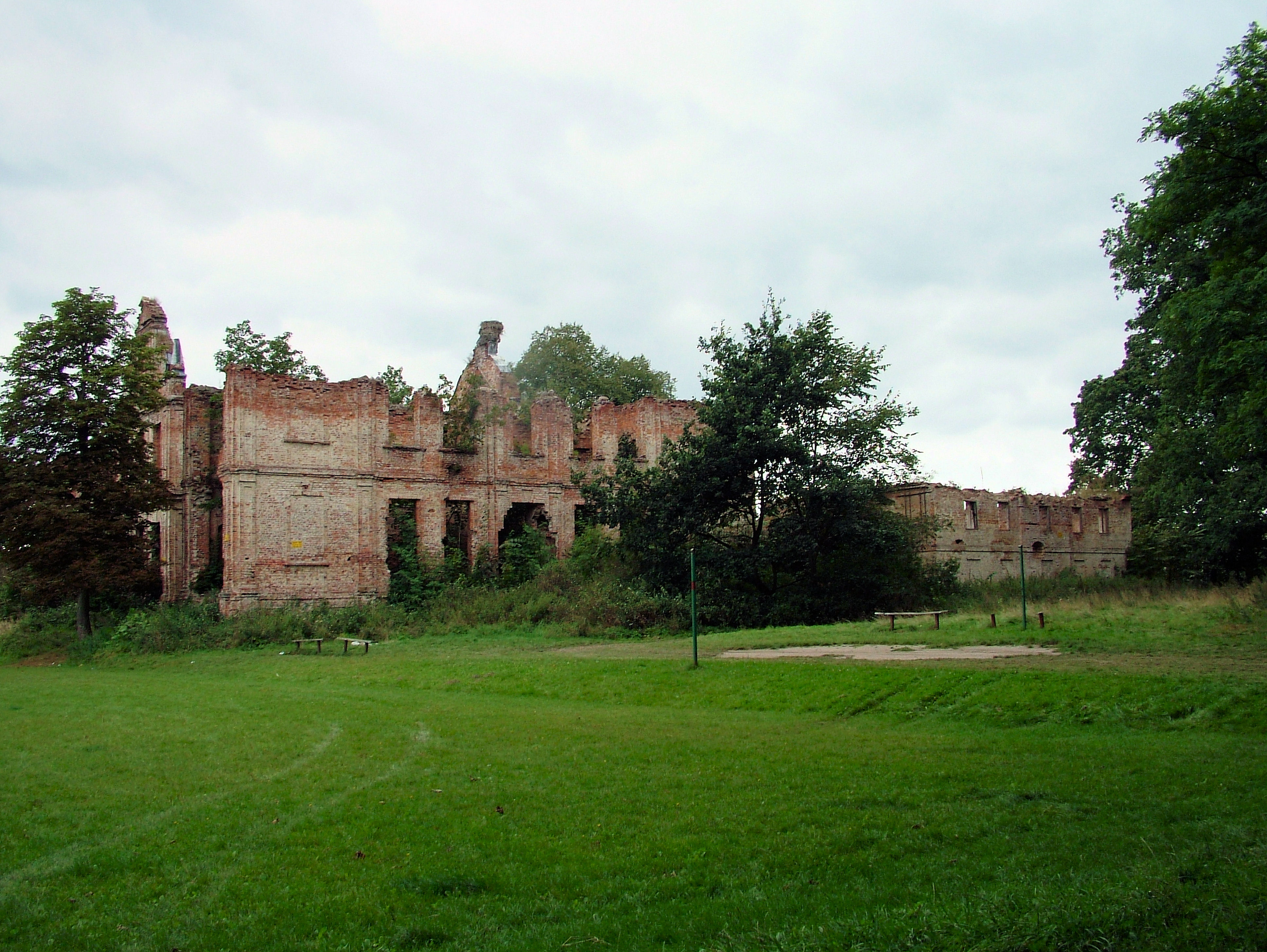
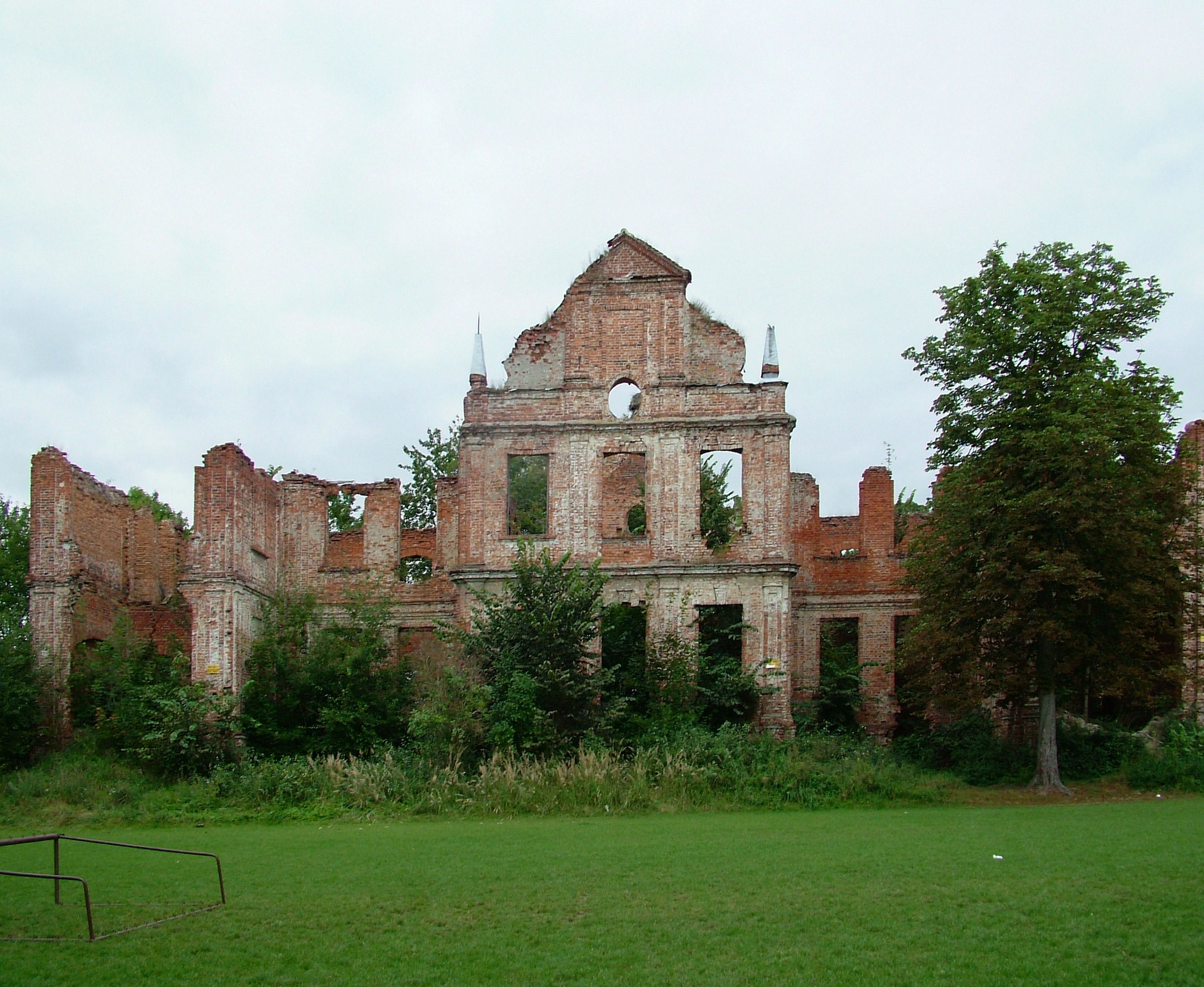
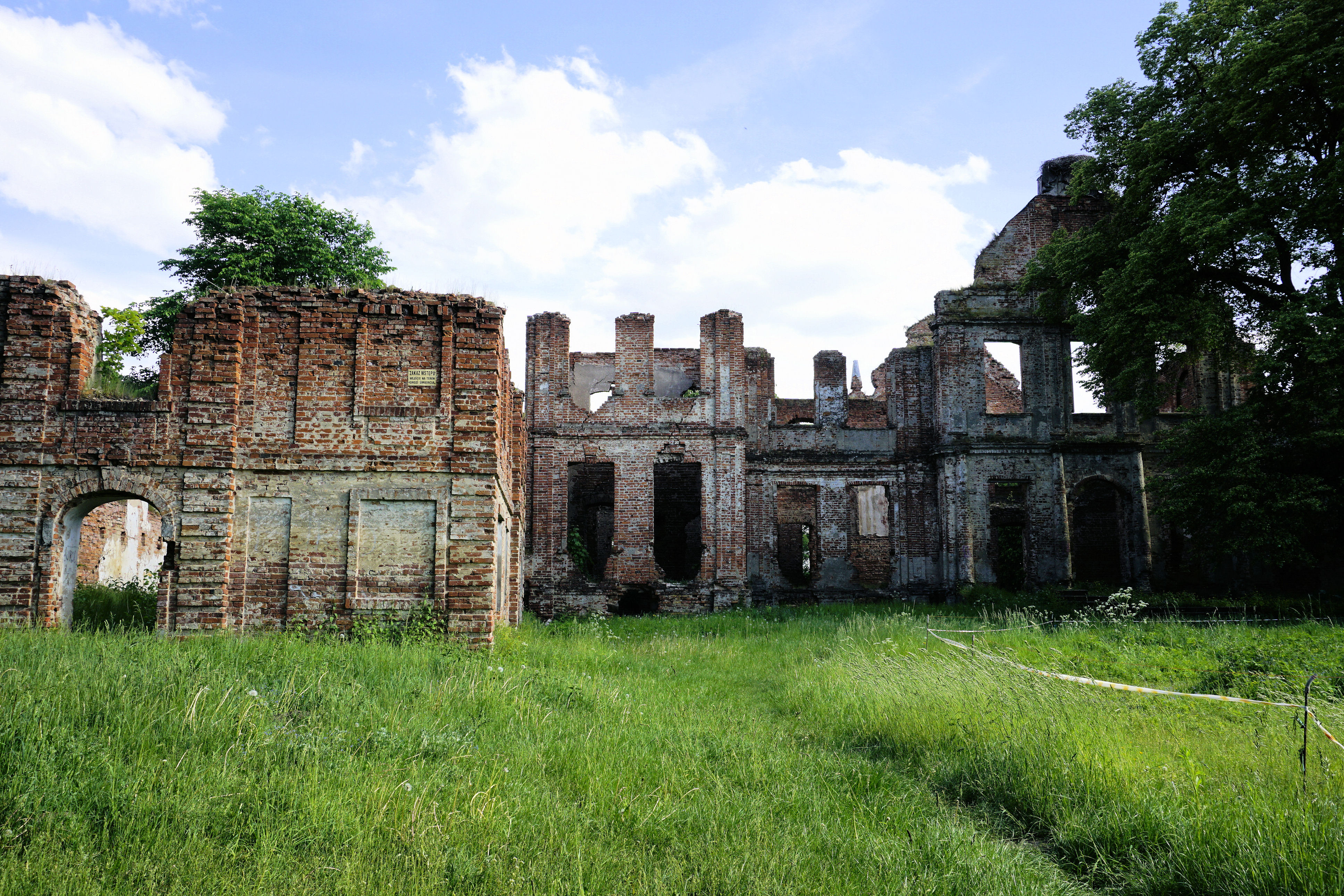
 Ruins of the palace complex
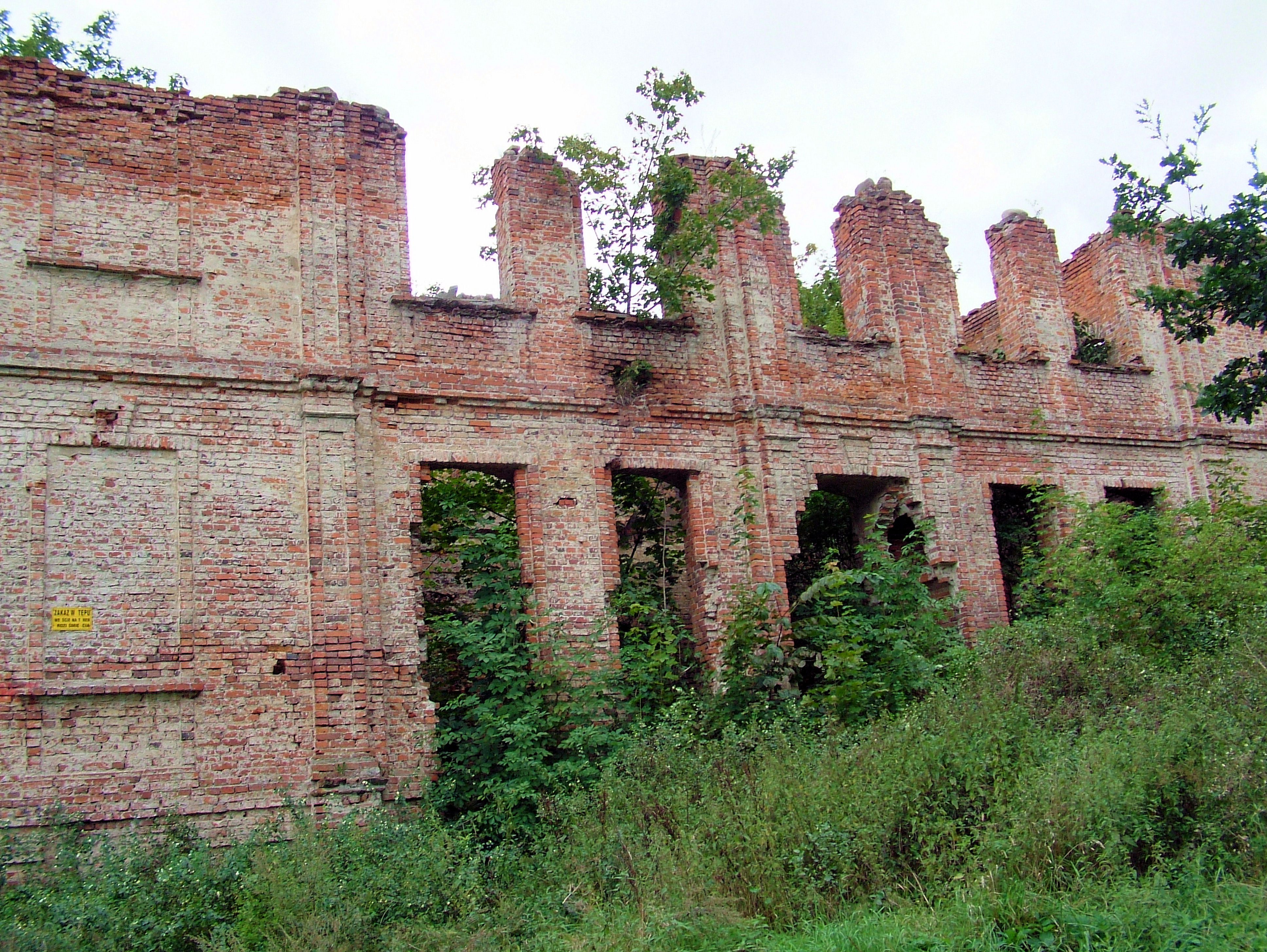
 The palace was built between 1731 and 1745 by the Golc family, who had owned the village of Kłębowiec since the 16th century. It was a Baroque-style building, inspired by French designs, essentially laid out on a rectangular plan, extended by projections forming almost separate wings; the addition of two outbuildings at the corners gave the complex a horseshoe shape. The main facade faces north, while the garden facade faces south. The palace was a two-story building, with the upper floor of the main section being higher than the upper floors of the side wings, where most of the rooms served domestic purposes. The palace was constructed of ceramic brick, originally plastered, with rich architectural ornamentation, numerous pilasters, projections, and cornices. The interiors of many rooms also featured profiled cornices, stucco decorations, and panels of various shapes that added variety to the wall surfaces. A photograph of the palace’s entrance hall has survived, showing double doors decorated with panels in a shape resembling an oval, framed by rectangular slats of varying dimensions. Paintings have been preserved on the walls of one of the rooms, while another features arcaded niches in the walls. A dozen or so years ago, a well-preserved coat-of-arms crest flanked by figures of knights in armor and helmets with visors was still visible atop the gable. A pair of storks had built a nest on it, adding to the picturesque charm of the ruins. For many years, the window frames also caught the eye with their ornate decorations. After the fire in 1945, the castle gradually fell into ruin. An interesting fact is that the Evangelical chapel in the eastern outbuilding remained in relatively good condition for the longest time. There is a legend that during the construction of the palace, a member of the Goltz family insulted an old woman living in the village. Many residents of Kłębowiec and other nearby villages believed she practiced witchcraft. She certainly knew a great deal about herbal medicine and was able to cure many illnesses. She helped both people and animals, so there were always some animals hanging around her. A young von Goltz (the legend does not mention his name) threw a stone at a cat accompanying the woman as she walked through the village. When she called the young gentleman out on it, he mocked her insultingly. The woman said quietly, “Evil begets evil; you will enjoy neither health nor wealth, and your children will not live in this palace.” Construction of the palace was completed in 1745, and after forty years, the Goltz family ceased to be its owners.



You will not get lost on the route with us! In our application you will find a detailed map of routes and excursions, interesting places and events, 360 panoramas and much, much more!