Routes and trips
 Map
Map MPR - cyclist-friendly places
 POI
POI Plan your trip
 Bike counters
 Publications
 News
News Route concept
 Contact
 The Old Town Area
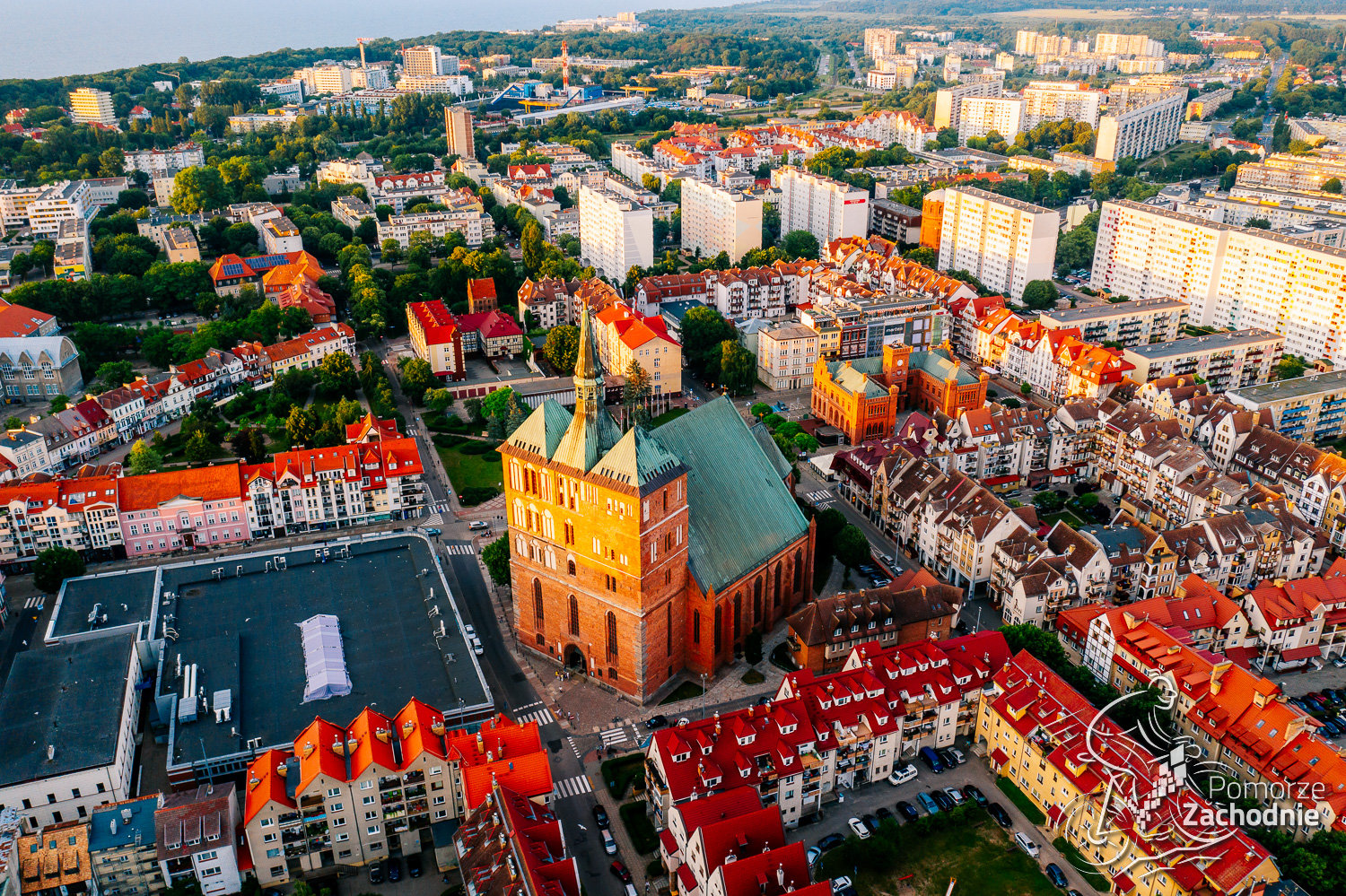
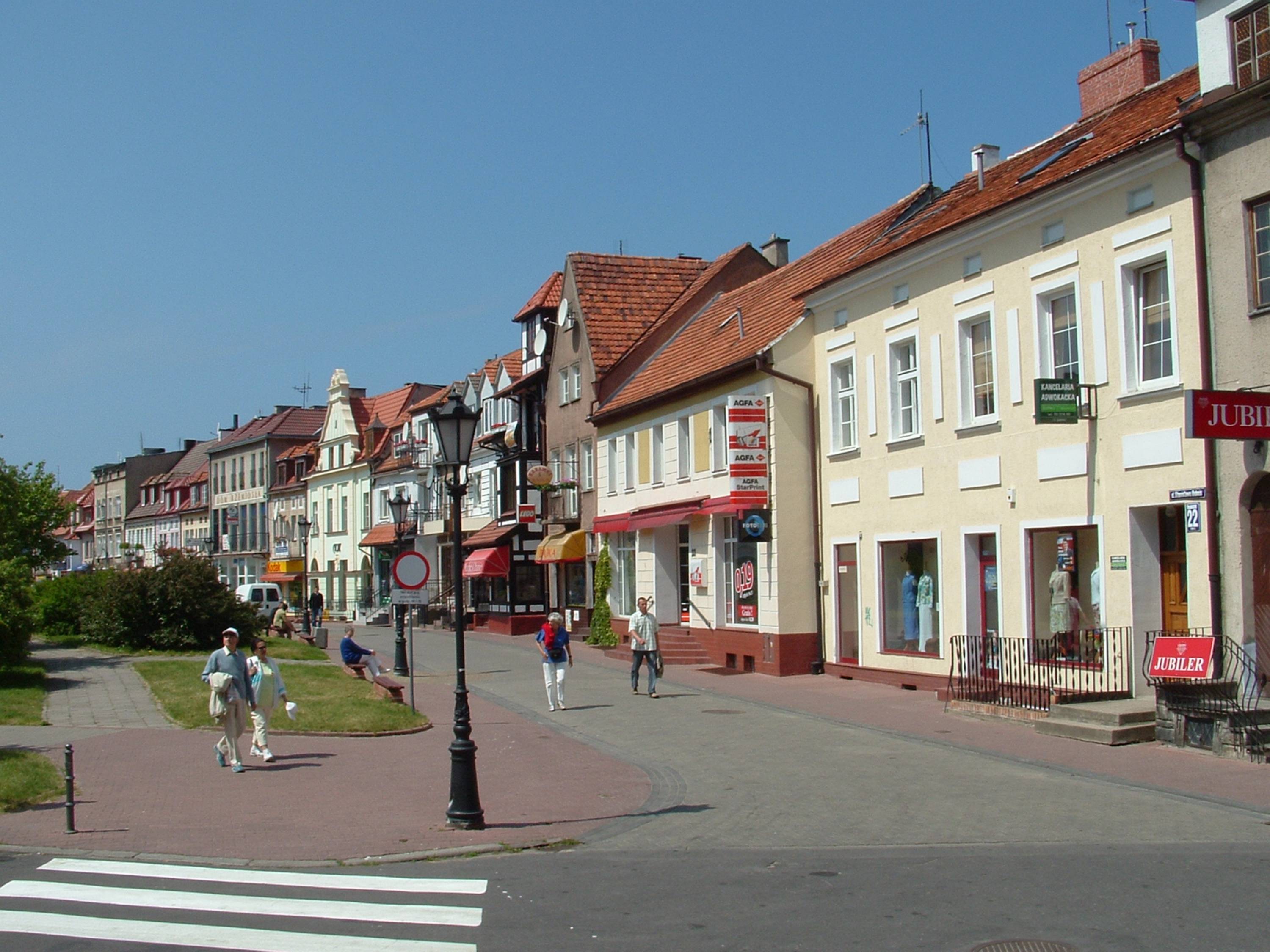
 In the Middle Ages, Kołobrzeg was enclosed by a line of city fortifications, the remains of which include the 14th-century Lontowa Tower, a section of the wall, and the ruins of the prison tower. A pivotal event that shaped the city’s current appearance was the granting of city rights in 1255. At that time, the city’s distinctive checkerboard street layout was established, centered around the main square—the market square. Around 1364, a Gothic town hall was erected in the center of the market square. Today, a new Neo-Gothic town hall stands on its ruins. It was designed by the renowned German architect Karl Friedrich Schinkel. Equally important is the Co-Cathedral Basilica of the Assumption of the Blessed Virgin Mary, whose construction began in 1280. The original buildings of Kołobrzeg consisted of Gothic brick townhouses, which were later rebuilt or constructed anew in the prevailing architectural styles of the time. An example of this type of architecture is the Schliffen Townhouse (Emilii Gierczak Street), which dates back to the 15th century. Kołobrzeg is listed among the cities of the European Route of Brick Gothic. Other sites worth seeing within the Old Town include: the Evangelical deaconess convent complex, the 15th-century “Katownia” warehouse, the late 18th-century Knights’ Academy, the Millennium Monument, and the Museum of Polish Arms. The Old Town area of Kołobrzeg is listed in the register of historic monuments.

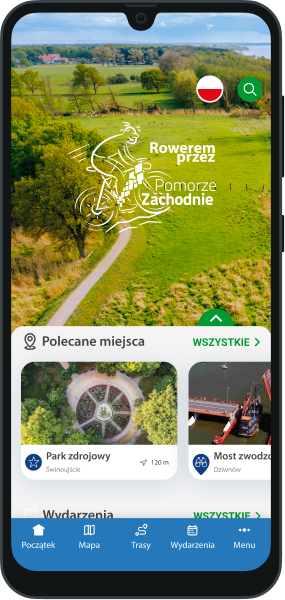

You will not get lost on the route with us! In our application you will find a detailed map of routes and excursions, interesting places and events, 360 panoramas and much, much more!