Routes and trips
 Map
Map MPR - cyclist-friendly places
 POI
POI Plan your trip
 Bike counters
 Publications
 News
News Route concept
 Contact
 Manor Park
 The first mentions of Grzymiradz, which was then located in the New March, date back to 1333. For a long time (1454–1757), the village was owned by the wealthy, noble von der Marwitz family. In 1872, the estate was purchased by retired cavalry captain Friedrich Wilhelm August Hermann von Hertell. He played a significant role in the estate’s development by renovating the palace and establishing the manor park.
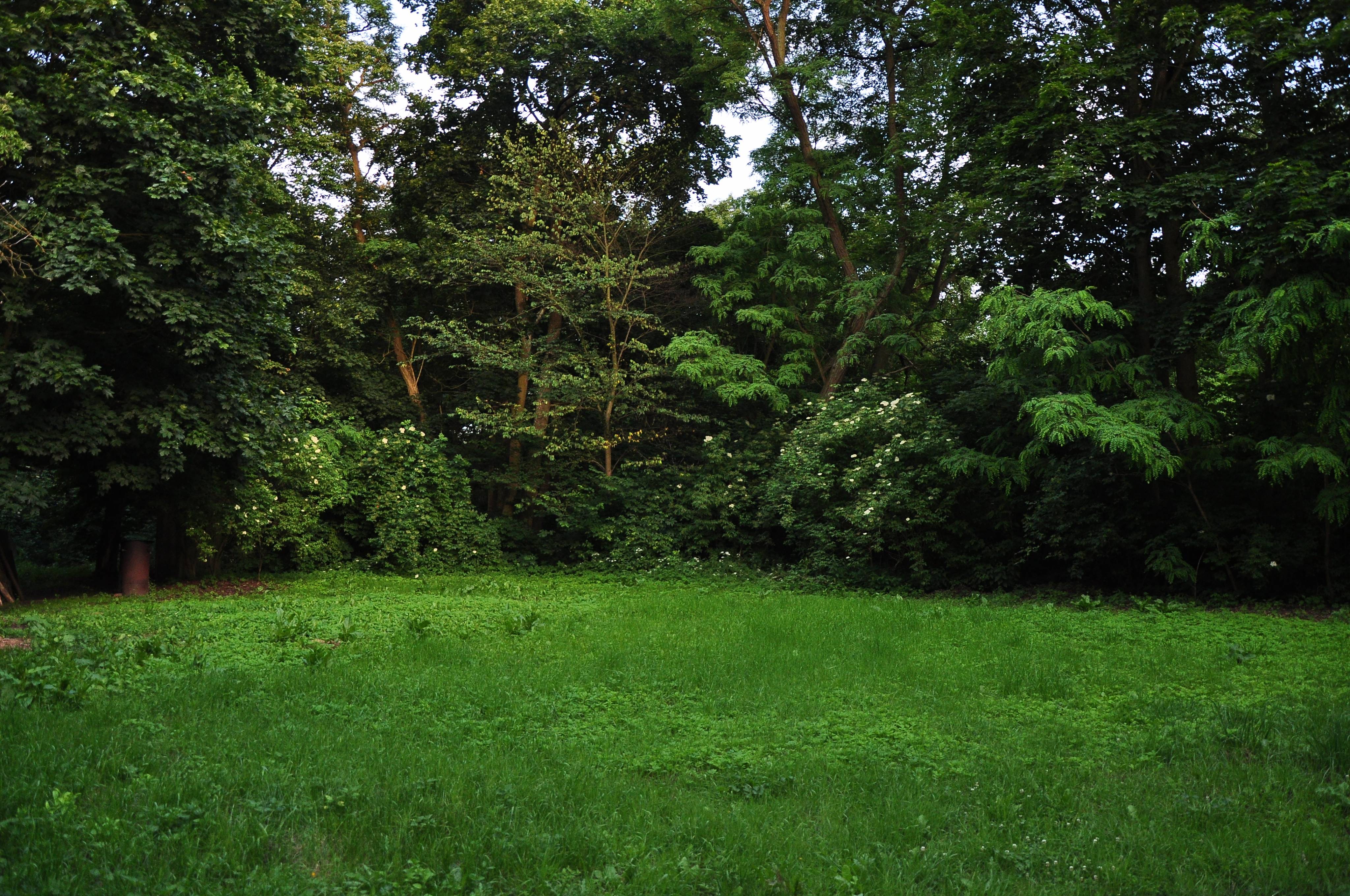
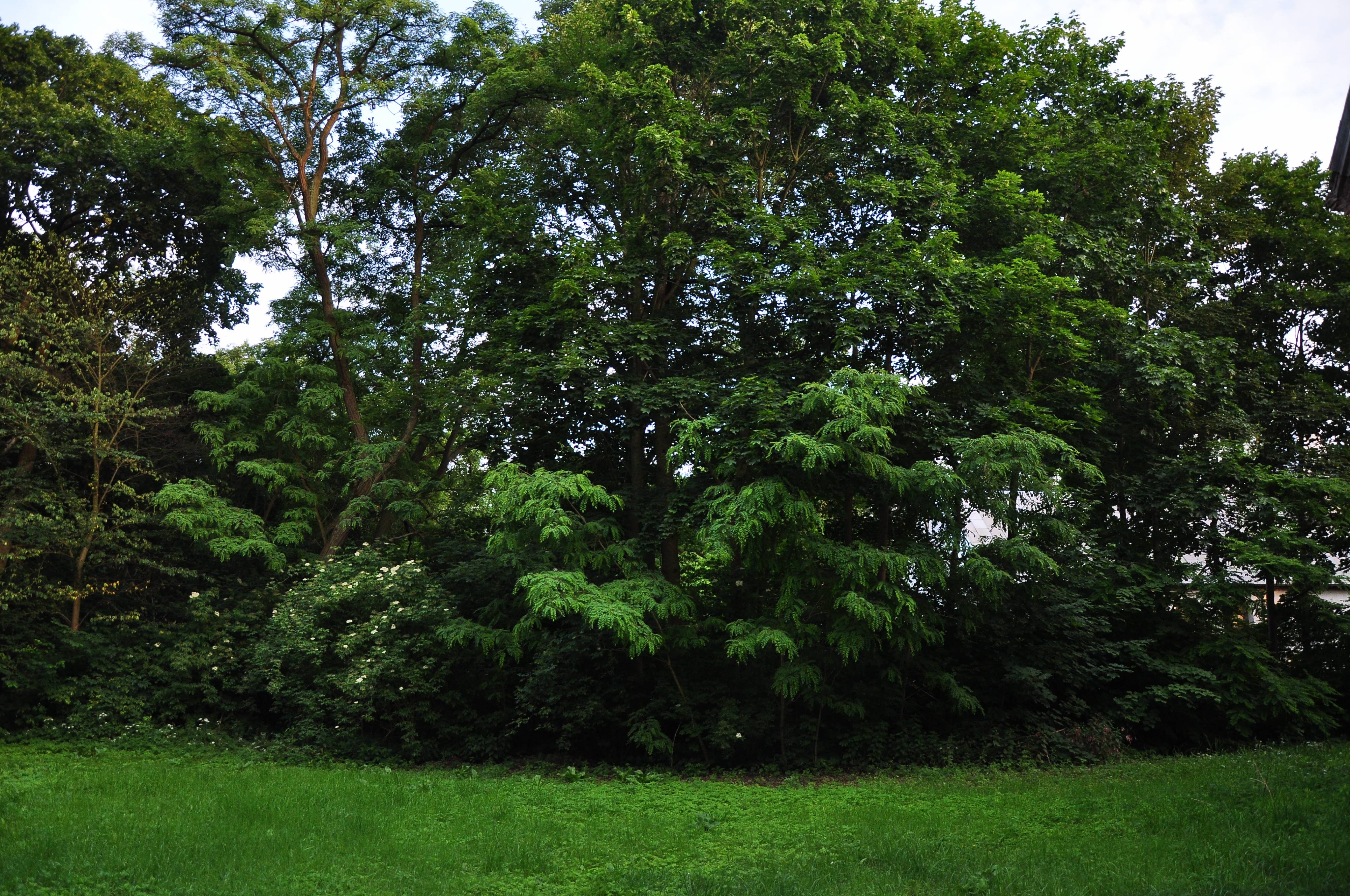
The park was established on an area of 3.5 hectares in the second half of the 19th century. Hermann von Hertell designed it as a naturalistic landscape park. Originally, it was polygonal in shape and was compositionally linked to the church garden and the gardens to the south of the estate. On the eastern and southern sides, the park was bordered by rows of trees, and on the side facing the road, by a brick wall. Today, these elements are no longer visible—the wall facing the road has been demolished, and the church is now surrounded by a stone wall. Of the original features, only ruins or foundations remain. In the eastern part of the park, the foundations of a former icehouse remain, and in the southeastern part, a mound marking the site of the von Hertell family monument. The tree population includes deciduous and coniferous trees, as well as shrubs and vines—over 37 different species in total. Some of the trees here are 150 to 200 years old.
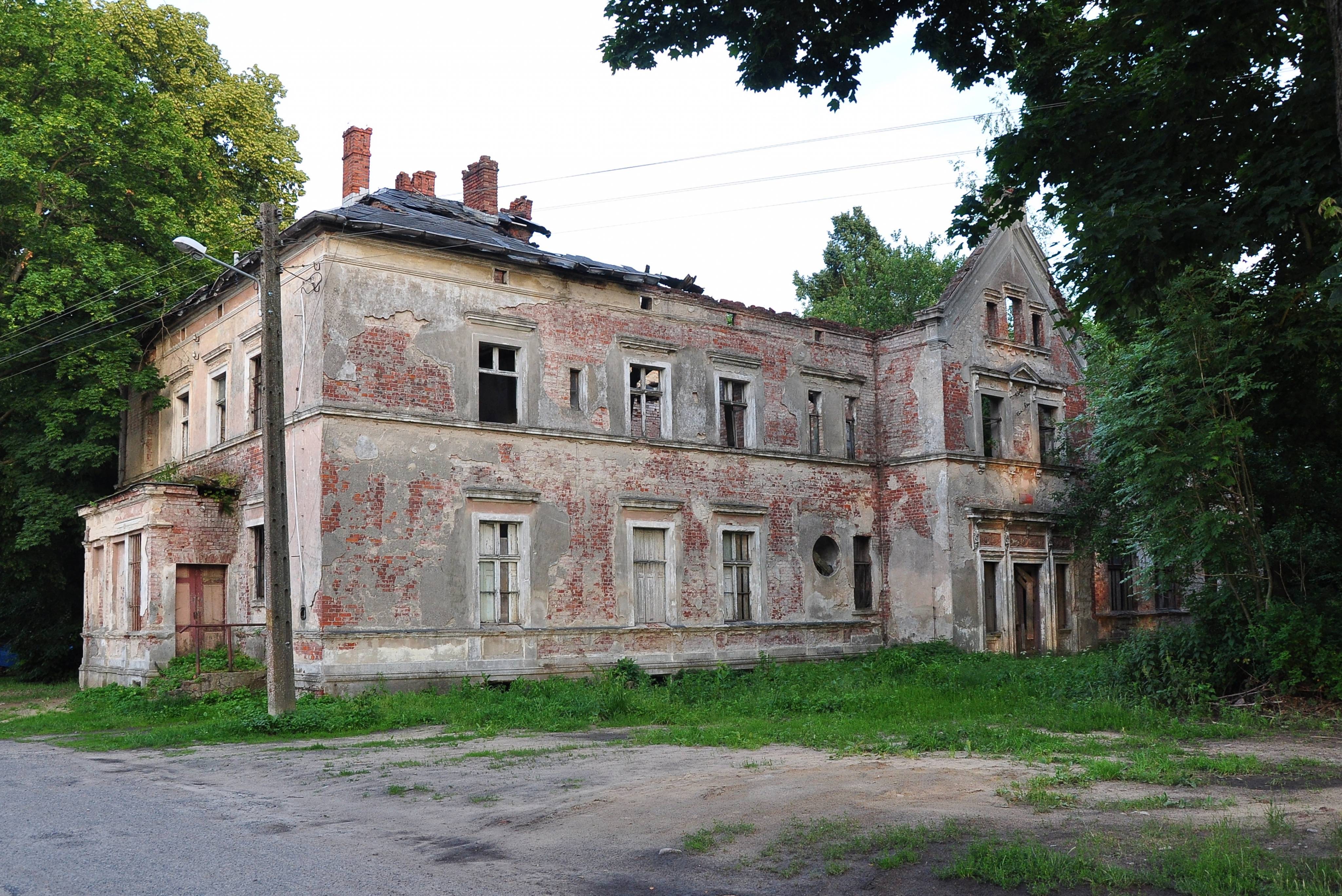
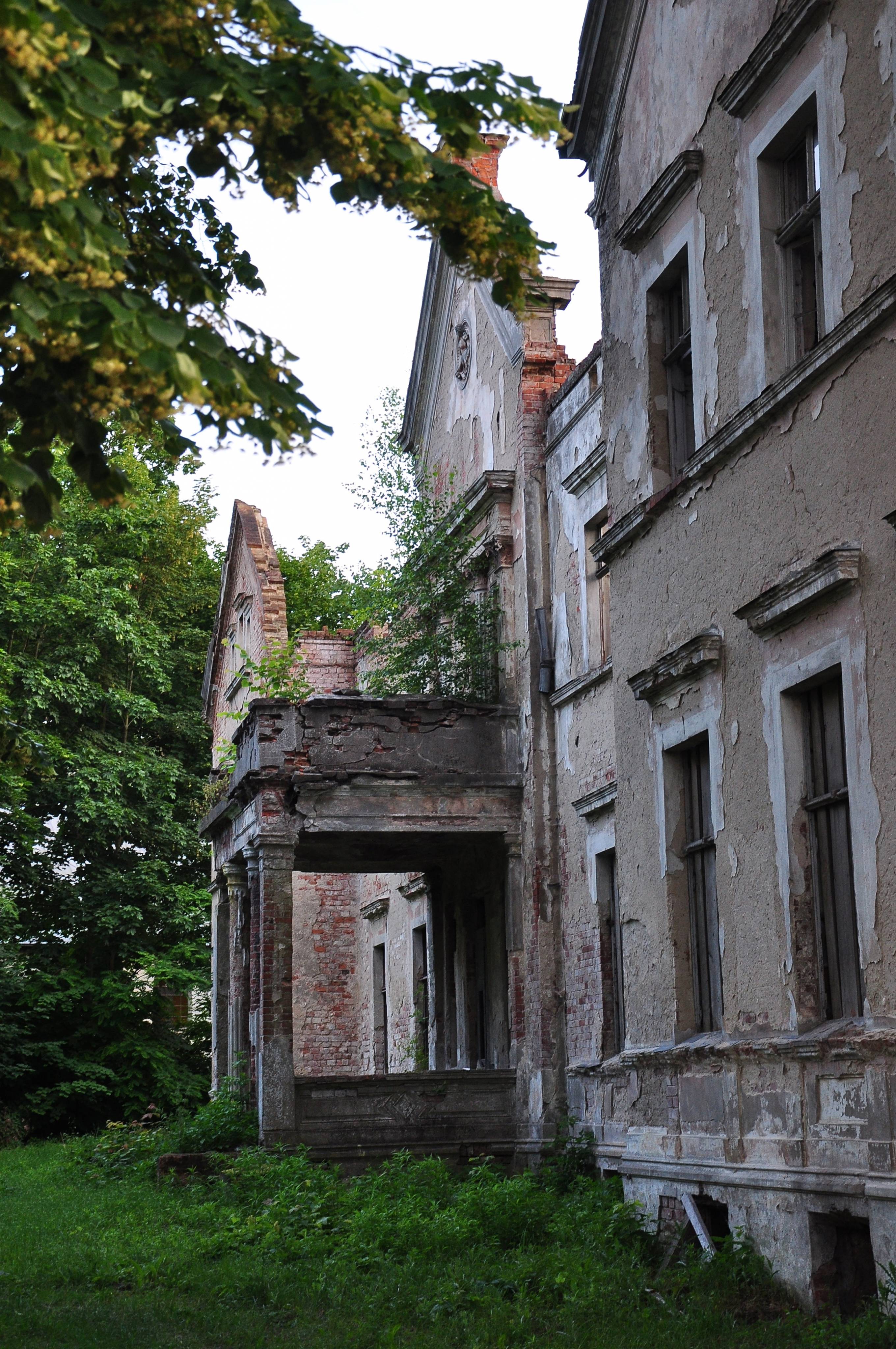
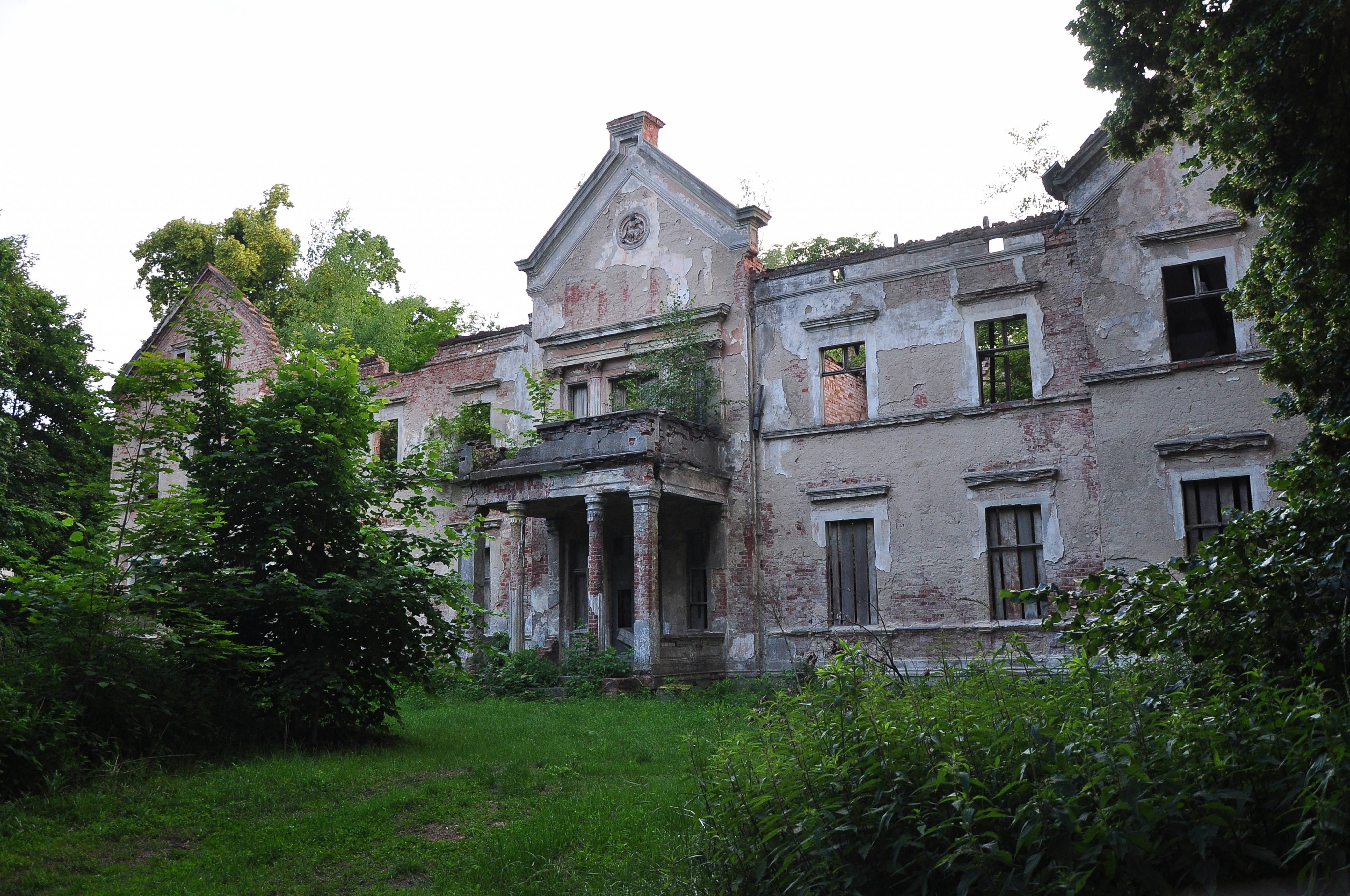
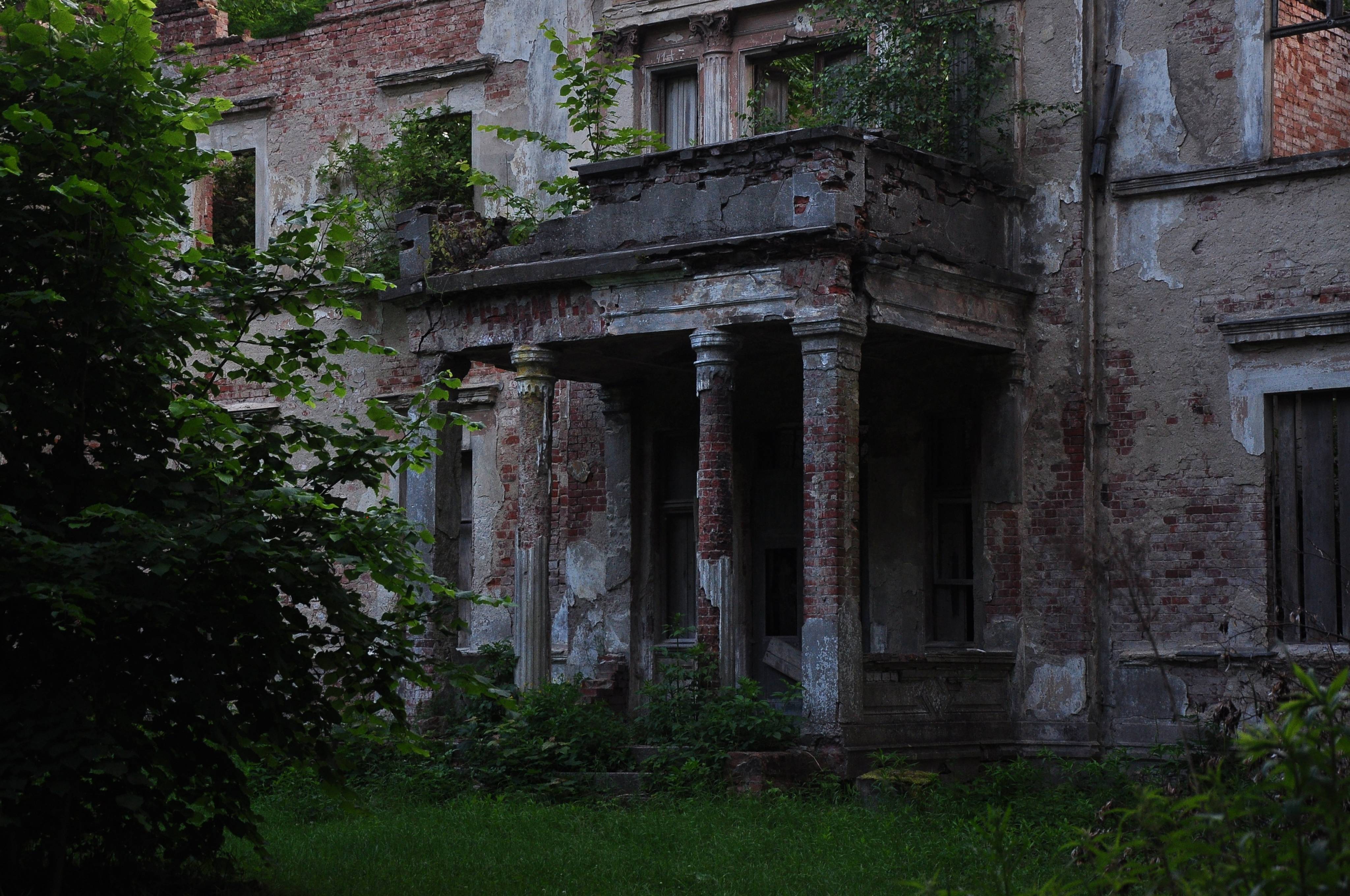
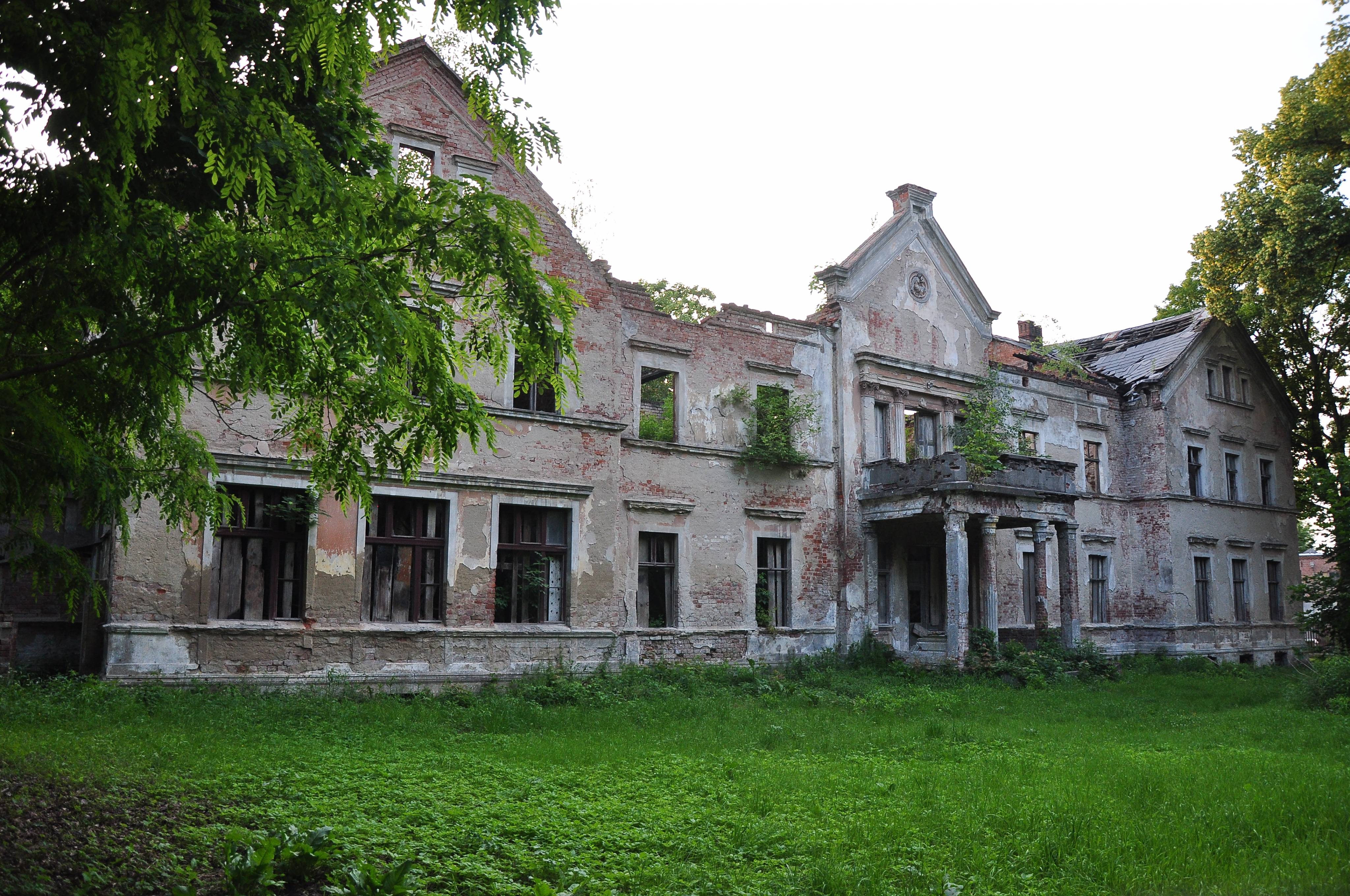
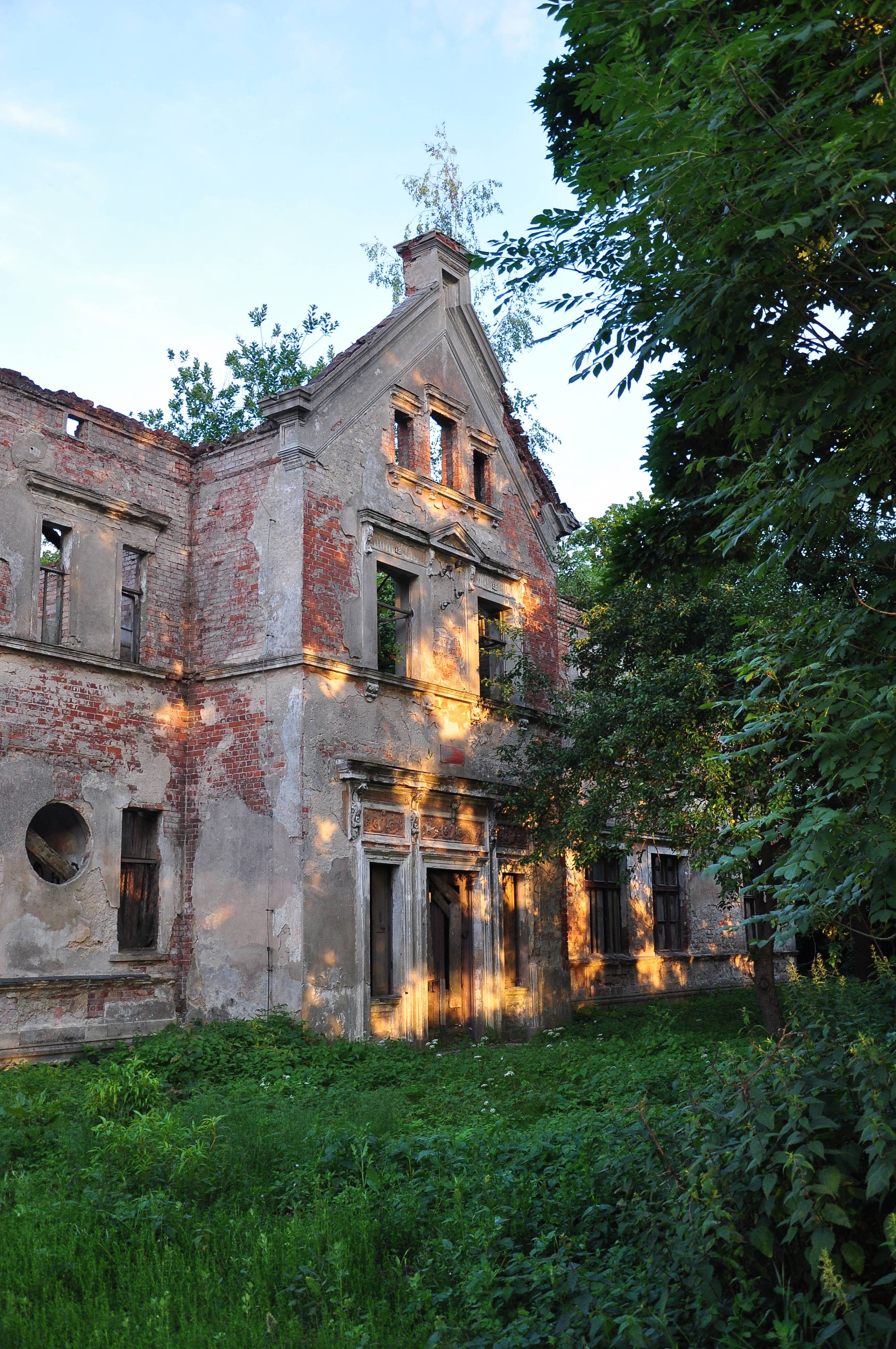
An important feature of the park is the ruins of the former palace. It is not known exactly when it was built, but by the mid-19th century it was already in ruins. Hermann von Hertell attempted to restore it in the Neoclassical style. After the war, the building served as a school until the 1980s. Afterward, it fell into disrepair, and in 1996, a fire destroyed it; since then, it has been nothing more than a neglected ruin—it has no roof, the ceilings have collapsed, and the interiors are destroyed. Despite the damage, the building’s original architecture can be reconstructed. The palace was a two-story building with a segmented yet symmetrical structure. The front and garden facades feature projections. Decorative elements on the cornices and pediments are also visible.
The entire palace and park complex is open to visitors; however, for safety reasons, the palace ruins can only be viewed from the outside.