Routes and trips
 Map
Map MPR - cyclist-friendly places
 POI
POI Plan your trip
 Bike counters
 Publications
 News
News Route concept
 Contact
 Palace
 The first mentions of Laskowo date back to the 13th century, when the Polish prince Henryk I the Bearded granted the village to the Cistercian Order of Kołbacz. After the dissolution of the order, it passed into the possession of the von Wedel family and subsequently into the hands of other families. Most likely, around the middle of the 14th century, the village was divided into two parts.
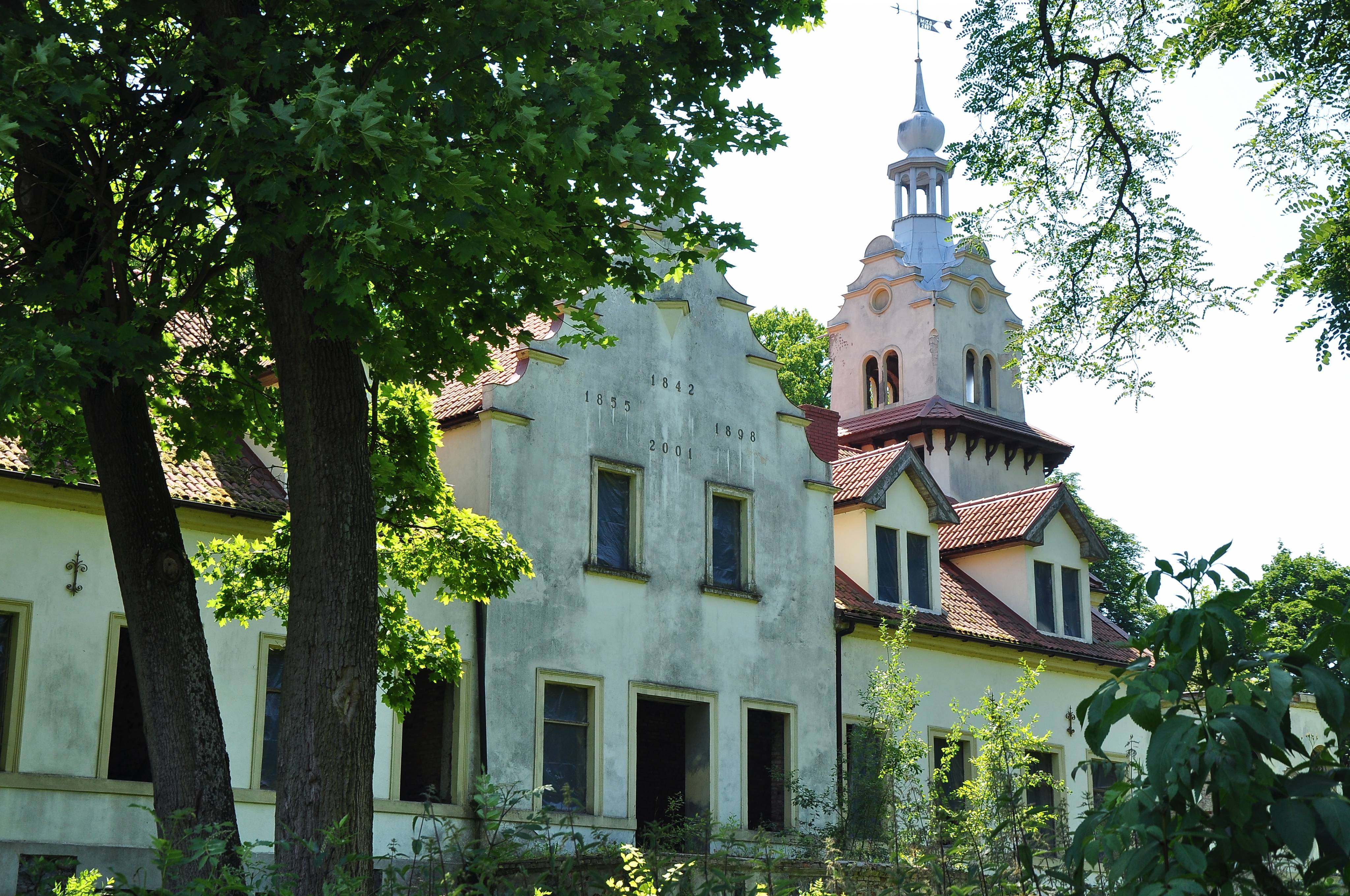
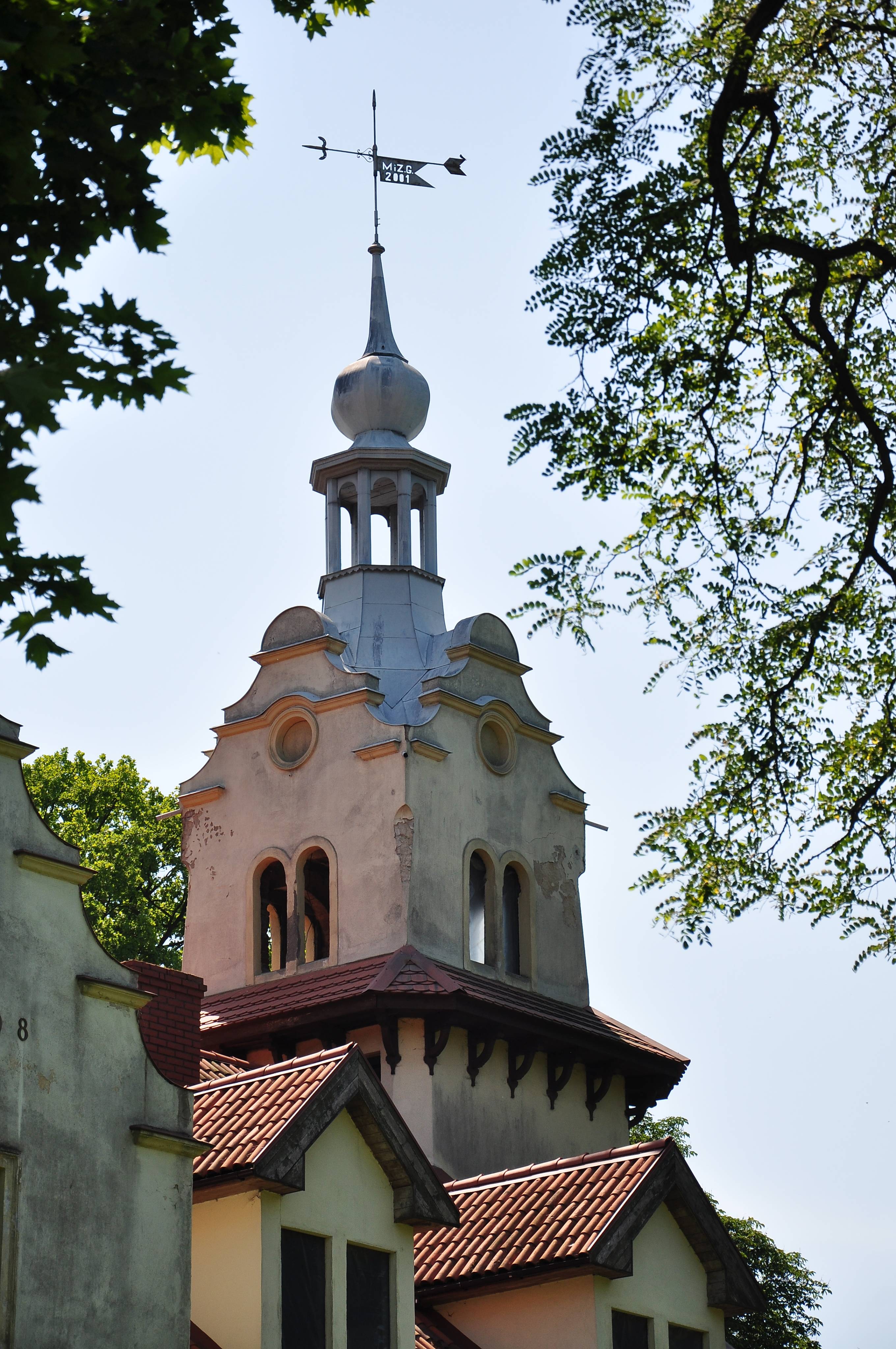
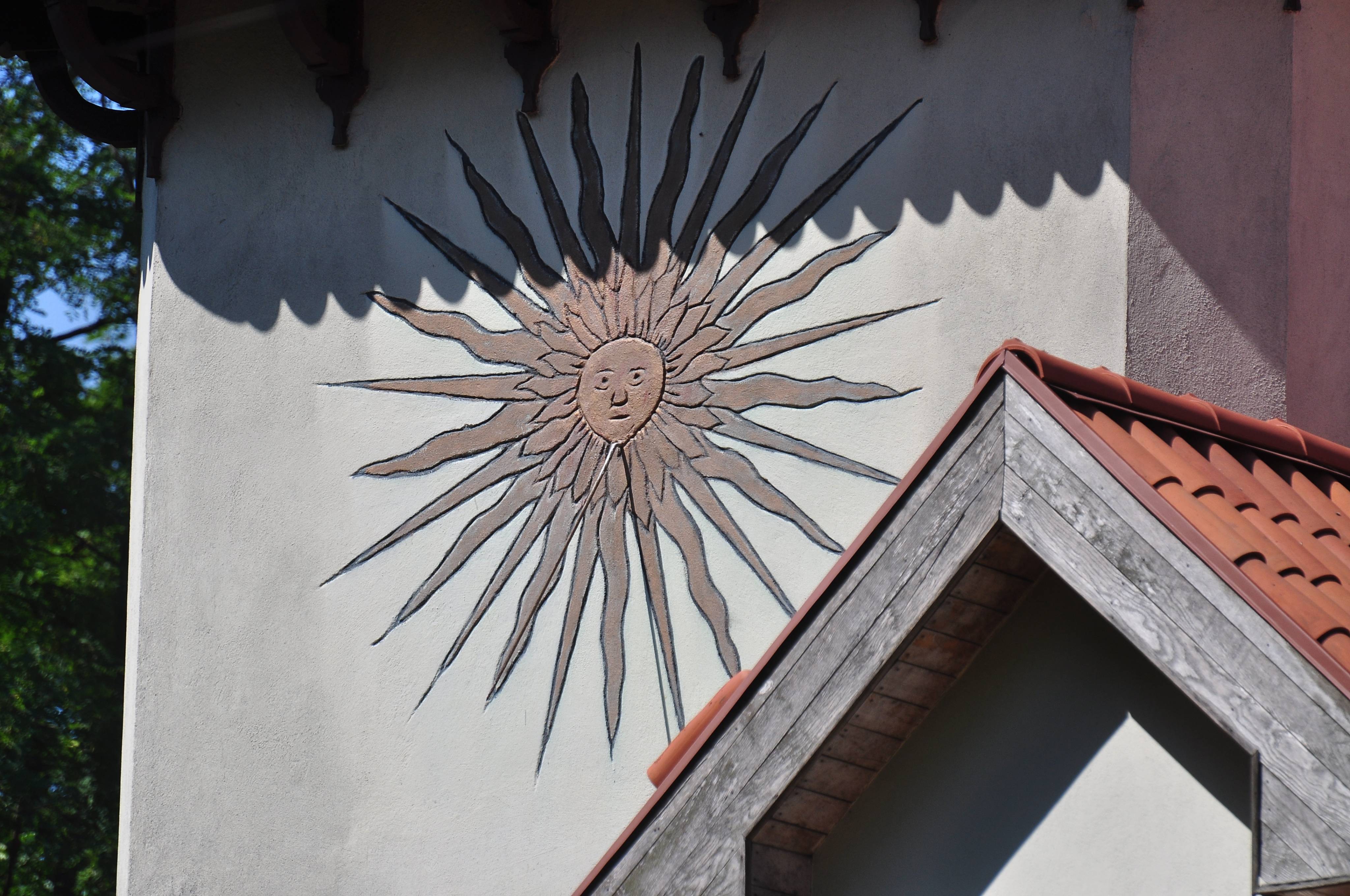
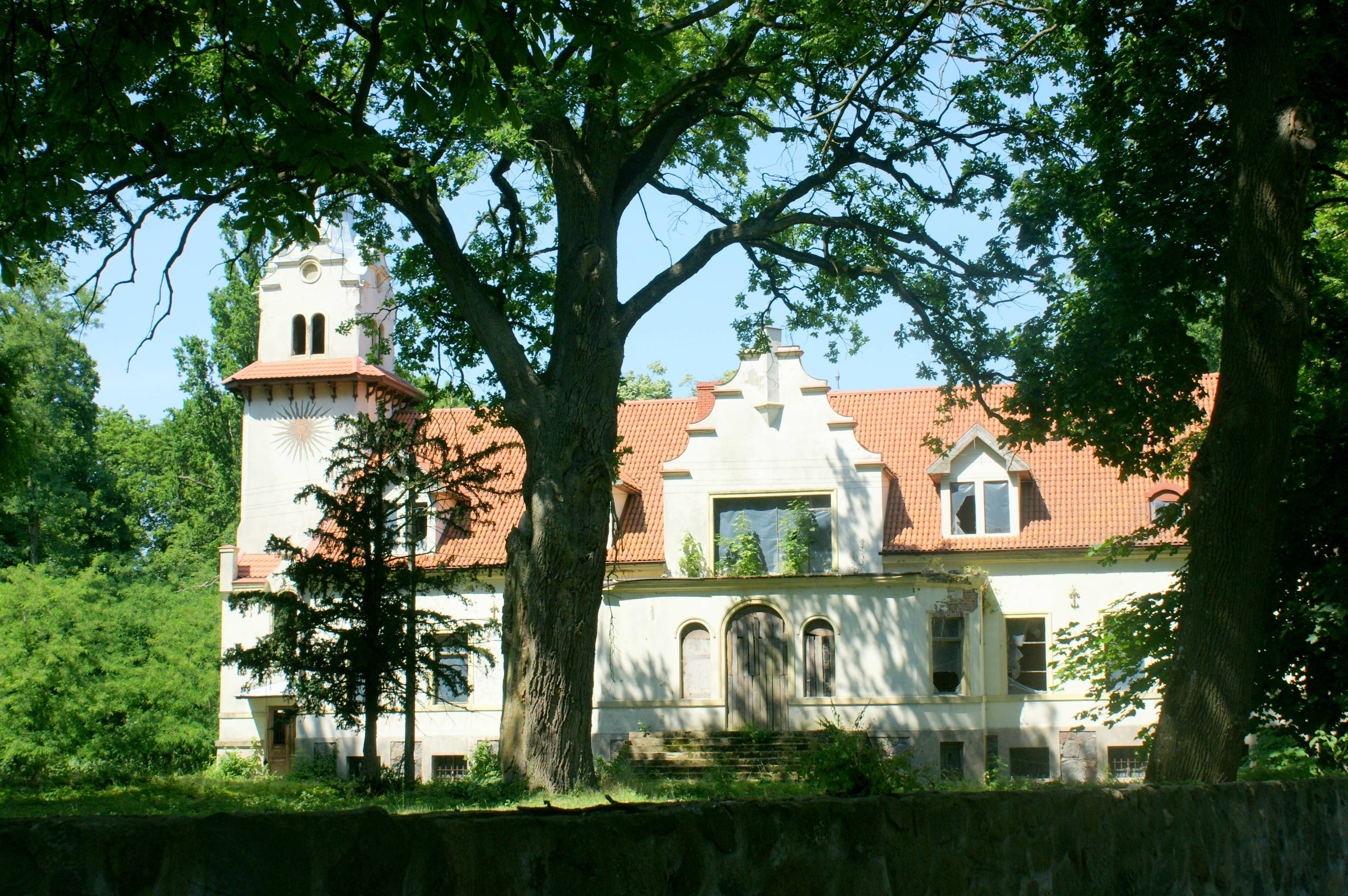
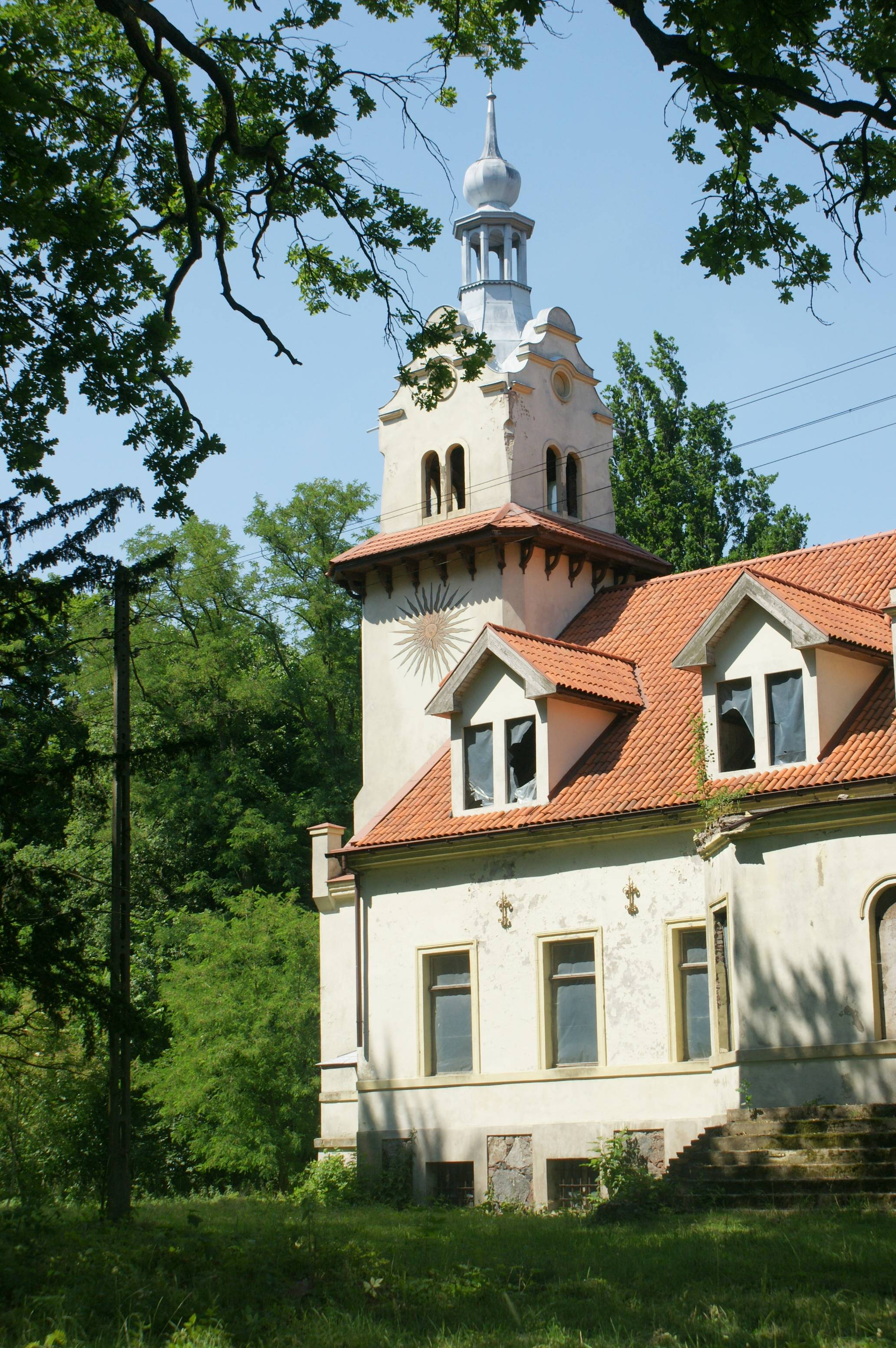
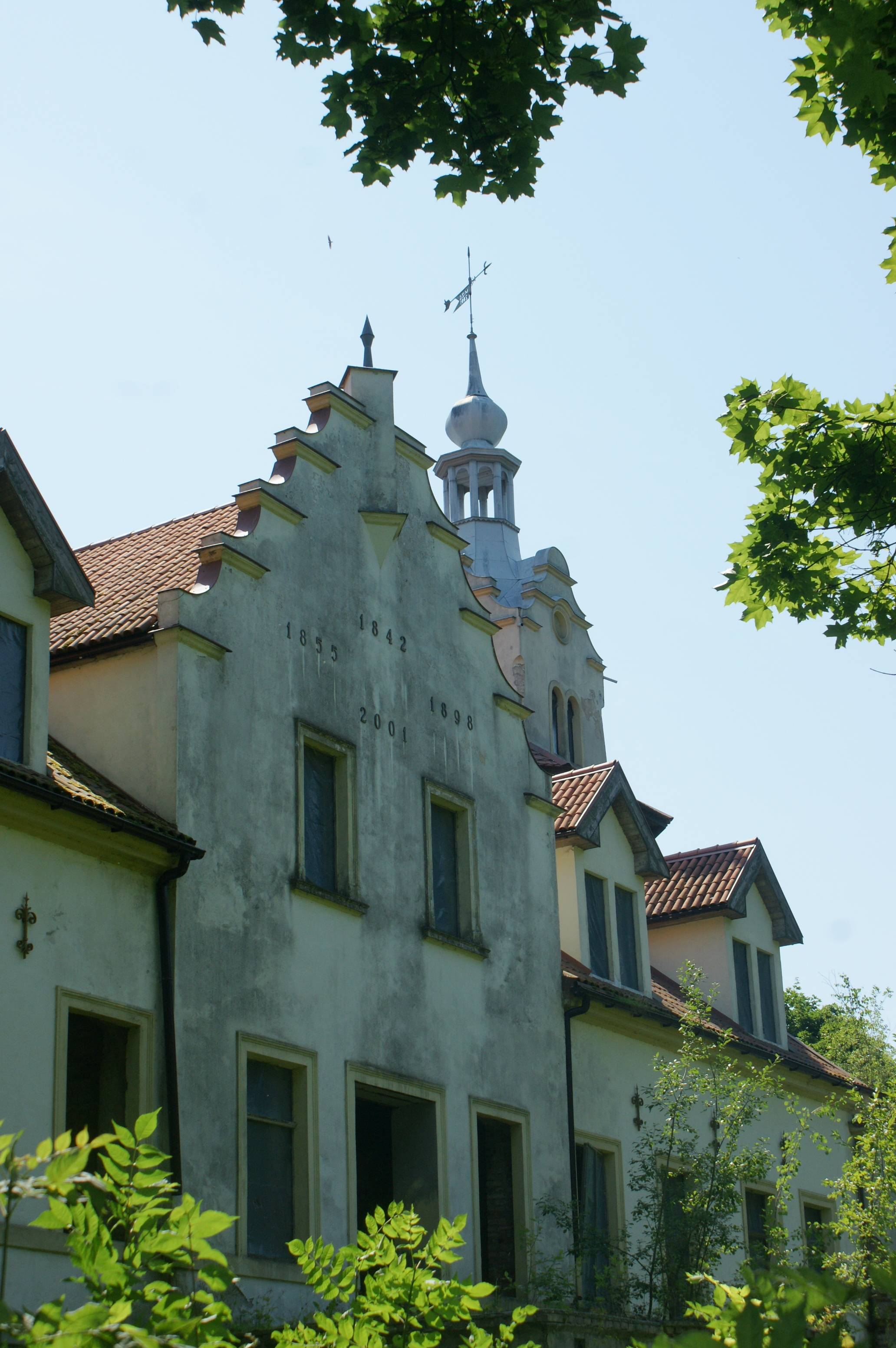
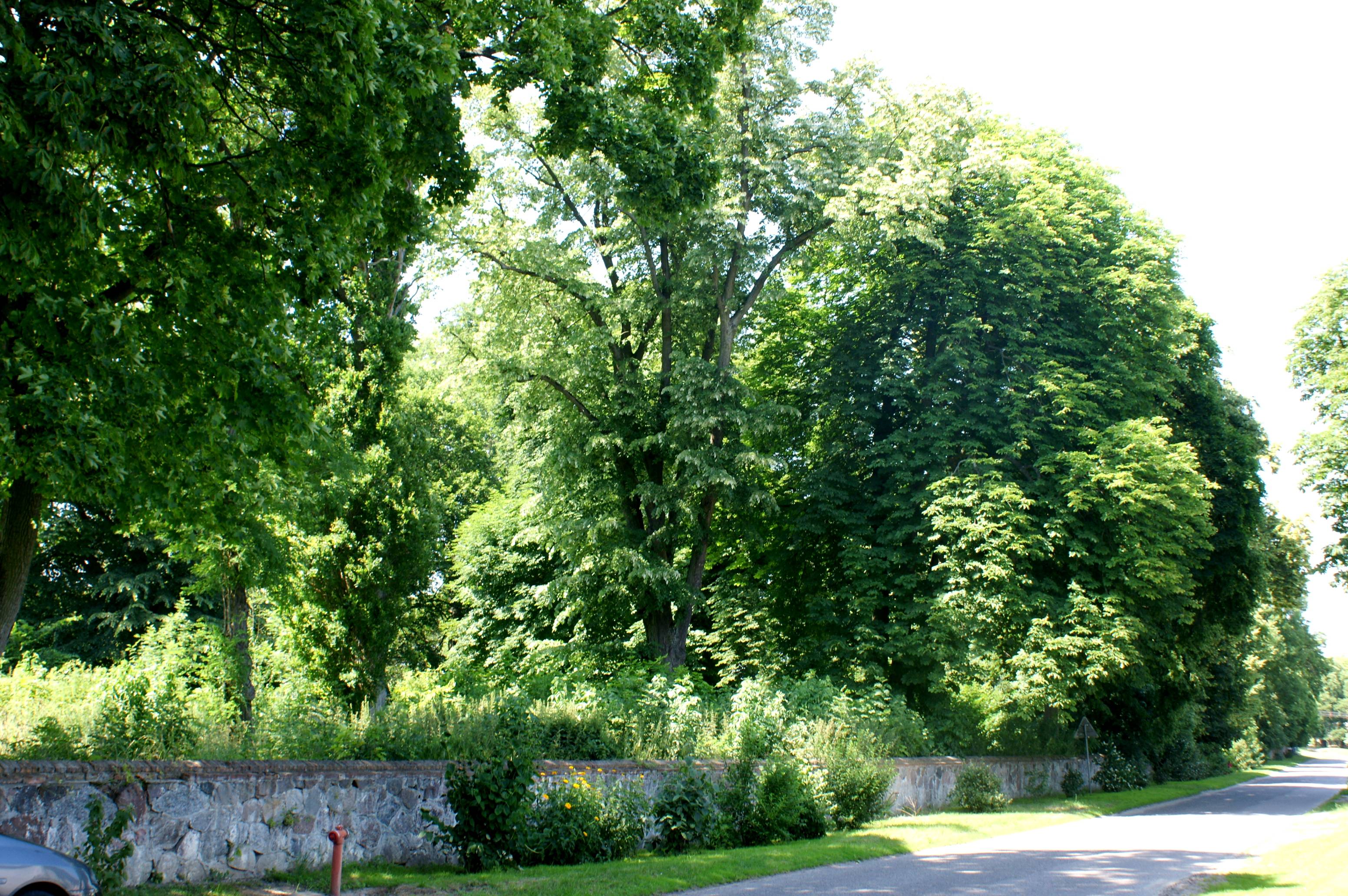
In 1842, when Gustaw Friedrich Otto von Prollius, a district judge in Güstrow (Mecklenburg), became the owner of the village, construction began on an eclectic palace. The palace has a floor area of 1,223.7m². Initially, the palace was a single-story building with a gable roof. Over time, it underwent successive renovations; for example, in 1898, terraces and two towers with bulbous domes were added, and in 1910, a risalit was constructed. After numerous renovations over the years, the palace building now combines many styles; we can see Neo-Baroque, Neo-Gothic, and Neo-Renaissance elements. It is a single-story structure built on a rectangular plan with a fragmented form. In the center of the facade is a wide projection, preceded by a small annex; the entire building is covered by a gable roof with dormers. Two towers are still visible on the structure, and the larger of the two features a sundial. The dates of construction and subsequent renovations are carved into the palace’s facade. On the side facing the road, the palace is separated by a low stone wall.
After the war, the palace and surrounding buildings housed a state-owned farm (PGR). It is currently owned by a private owner who has renovated the property. It can be viewed from the outside.
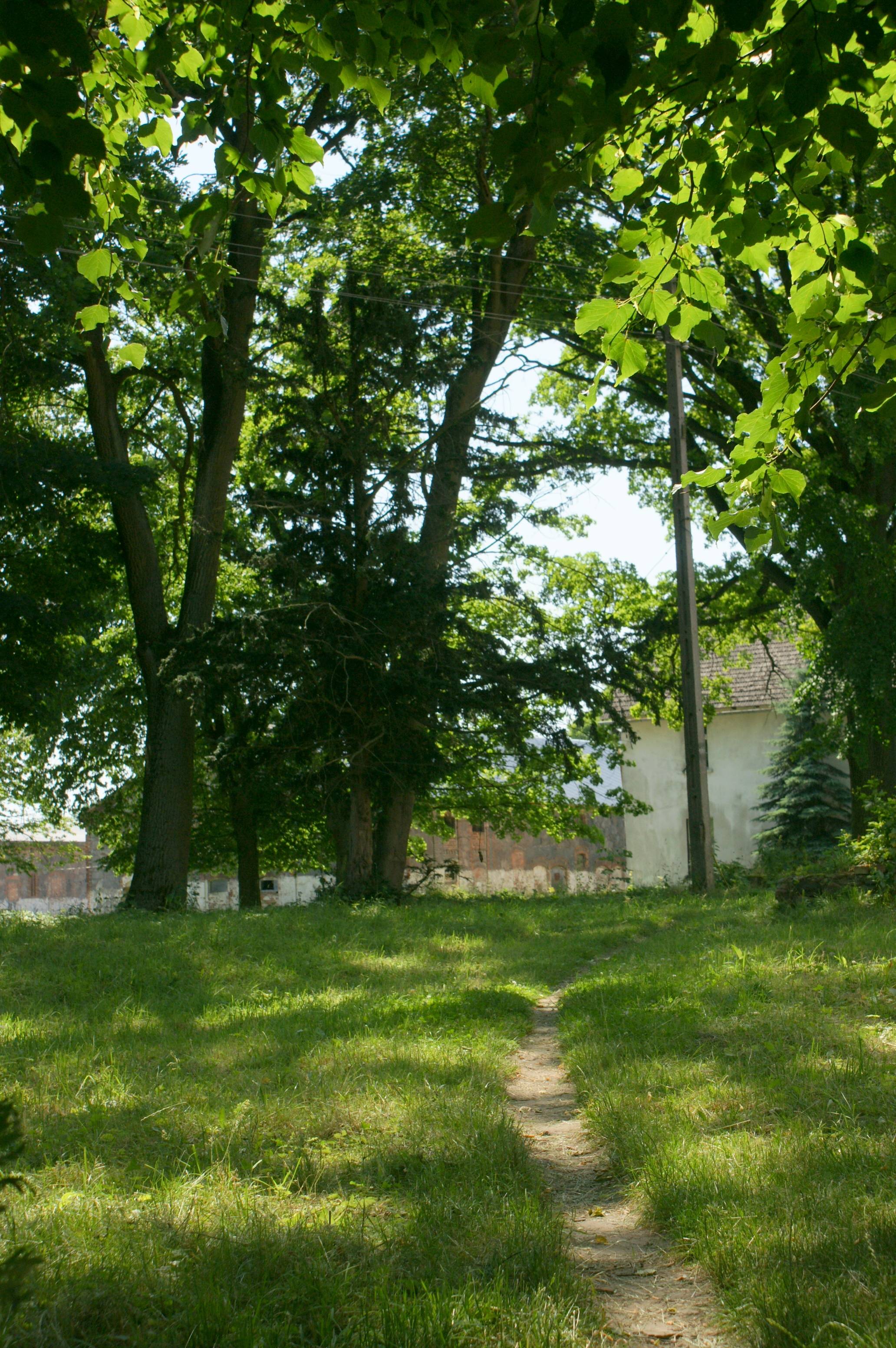
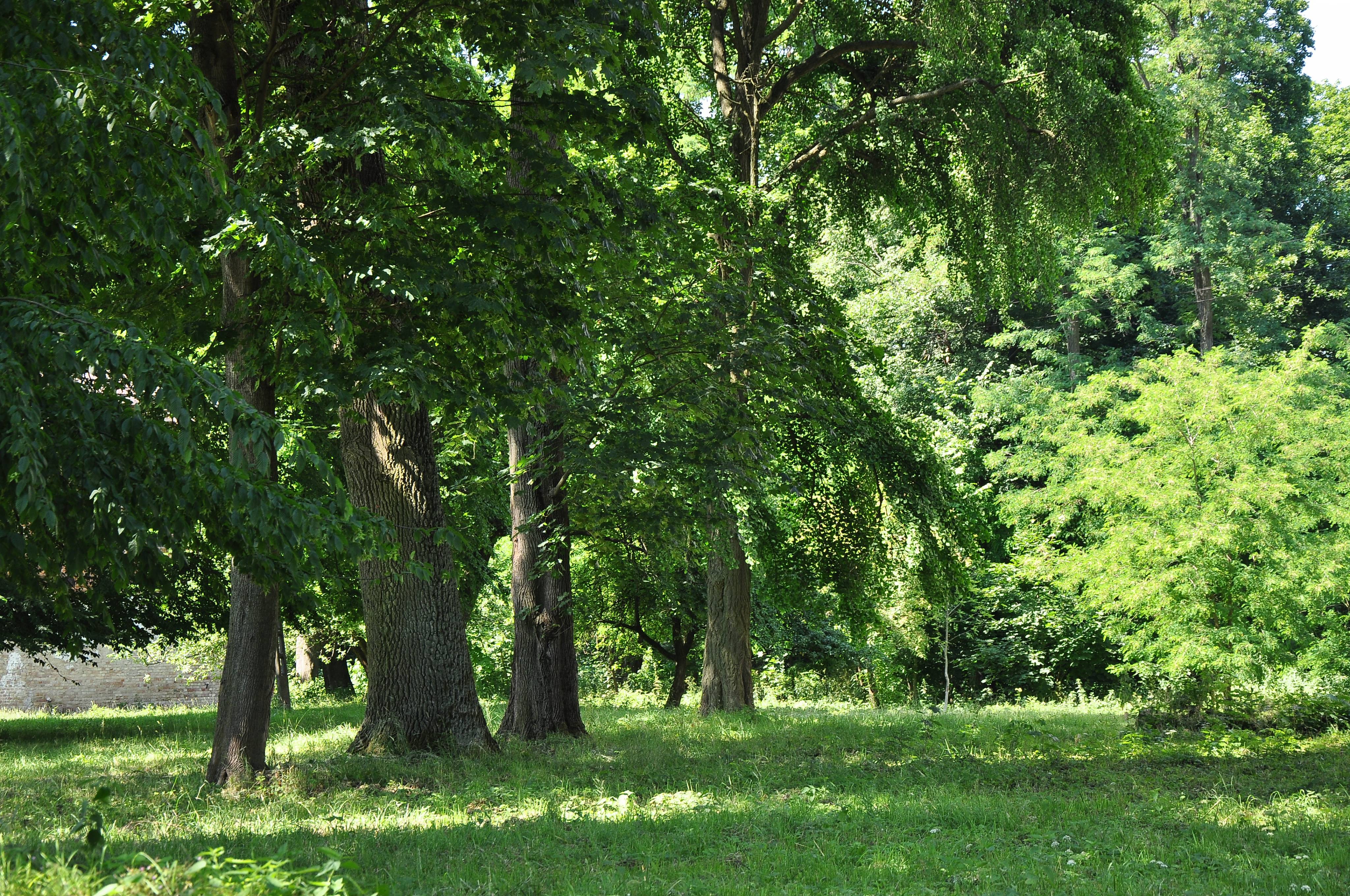
Surrounding the palace are farm buildings and a manor park. The Romantic-style park was established around 1850. The original layout of the park’s avenues has been preserved to this day—a linden avenue to the west and a chestnut avenue to the north. The park also features a rich stand of mature trees. Native species include yews, oaks, hornbeams, beeches, and ash trees. Exotic species include the ginkgo biloba, the conical variety of English oak, and the maple-leaved plane tree. The park is open to visitors.