Routes and trips
 Map
Map MPR - cyclist-friendly places
 POI
POI Plan your trip
 Bike counters
 Publications
 News
News Route concept
 Contact
 The Old Town's Urban Layout
 In Kalisz Pomorski, the historic, 13th-century layout of the Old Town has survived to the present day. Its origins date back to the 8th century. Archaeologists date the existence of a fishing and farming settlement to that time. The event that shaped the city’s current appearance was the transfer of the surrounding lands to the rule of the Margraves of Brandenburg in 1296.
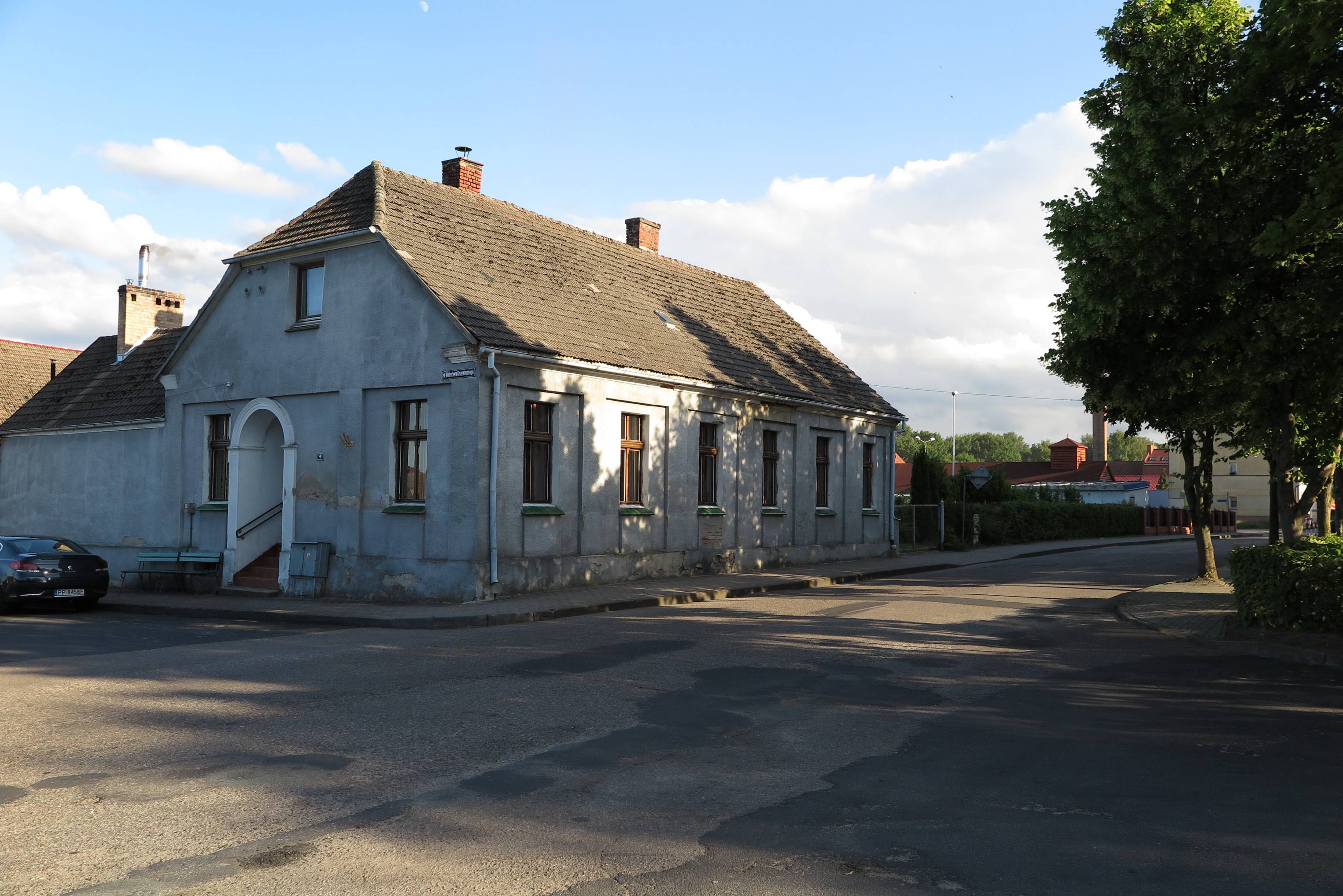
As early as September 14, 1303, Kalisz was granted city rights by the Margraves Otto, John, Waldemar, and Conrad. At that time, the distinctive grid of perpendicularly intersecting streets—still visible today—was laid out, along with a centrally located market square. Covering approximately seven hectares, the town was surrounded by an oval ring of city walls with two gates: Kamienna and Recka. The townspeople, who grew wealthy from the fairs held in the town, built stately houses that have not survived to the present day. As a result of the great fire of 1771, most of the buildings were destroyed. During the reconstruction—personally supported by Frederick the Great—a partial adjustment was made to the street grid. Another catastrophe for the city was the military operations conducted in 1945. These led to the destruction of nearly 100% of the buildings. Restoration efforts resulted in the reconstruction of only two structures: the Church of Our Lady, Queen of Poland, and the palace. Today, the city’s late-medieval oval-shaped layout is clearly visible from the air or on maps. The entire layout of the old town has been entered into the register of historic monuments.