Routes and trips
 Map
Map MPR - cyclist-friendly places
 POI
POI Plan your trip
 Bike counters
 Publications
 News
News Route concept
 Contact
 The Manor Park in Barnówek
 The manor park in Barnówek was established in the second half of the 18th century. Toward the end of the 19th century, the park was redesigned and expanded to include meadows and fish ponds. The park covers an area of 44 hectares, of which 36 hectares are occupied by fish ponds. The first fish ponds were created in 1871. Then, in 1890, the then-owner, the German Count Max von dem Borne, introduced the first 100 striped crayfish to the ponds in Barnówek; they originated from the Delaware River in Pennsylvania, United States. This species was previously unknown in Europe. Shortly after the crayfish were introduced, an accident occurred that breached one of the dikes separating the ponds from the Myśli River. As a result, the crayfish eventually made their way into the Oder River, Greater Poland, and further into the Vistula River basin. From there, the striped crayfish spread throughout virtually the entire country. In addition to the crayfish, Max von dem Borne also introduced the California catfish—a predatory fish reaching up to one meter in length—to the ponds in Barnówek. However, this breeding effort was unsuccessful; the catfish measured only about 25 cm.
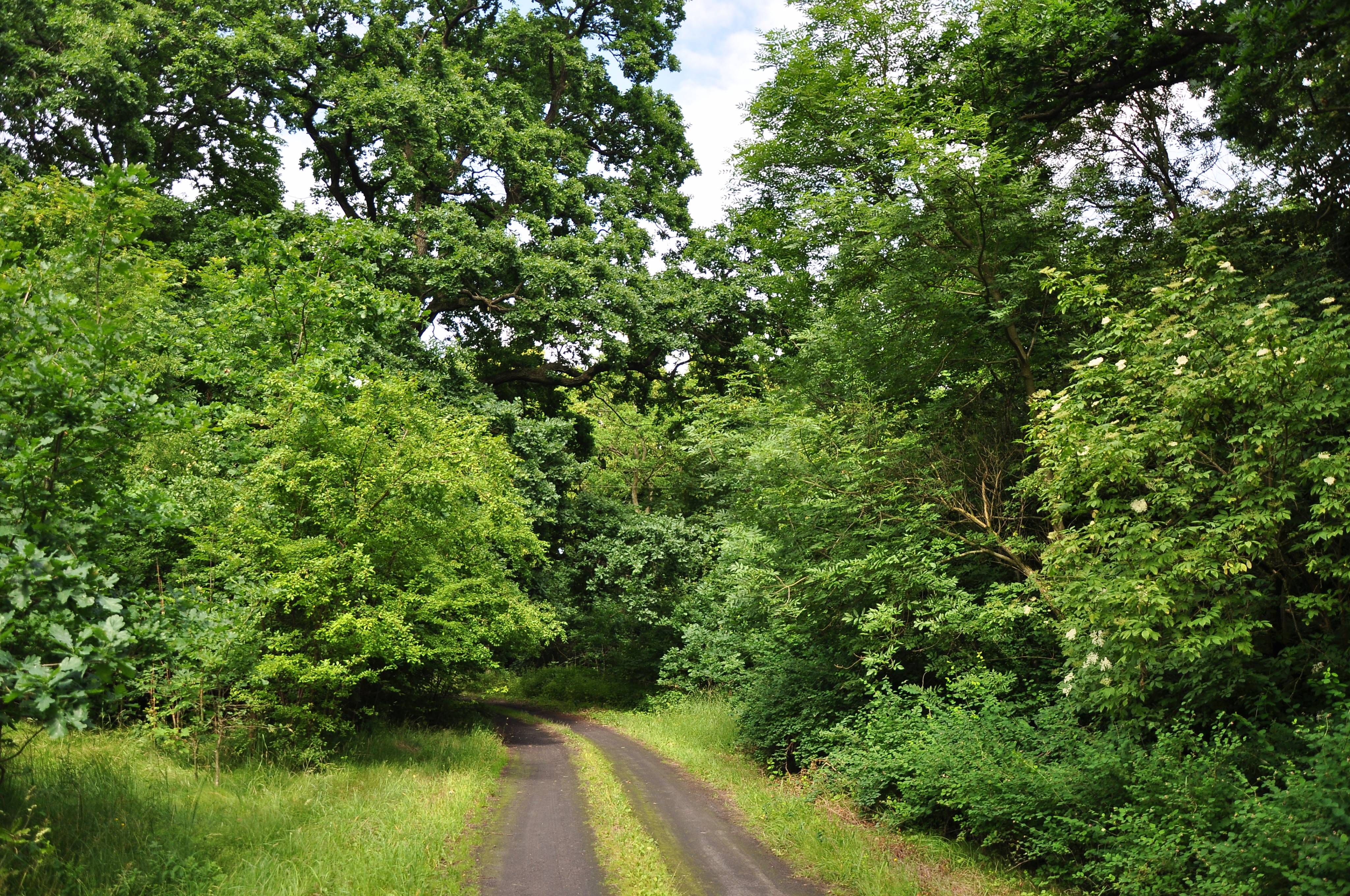
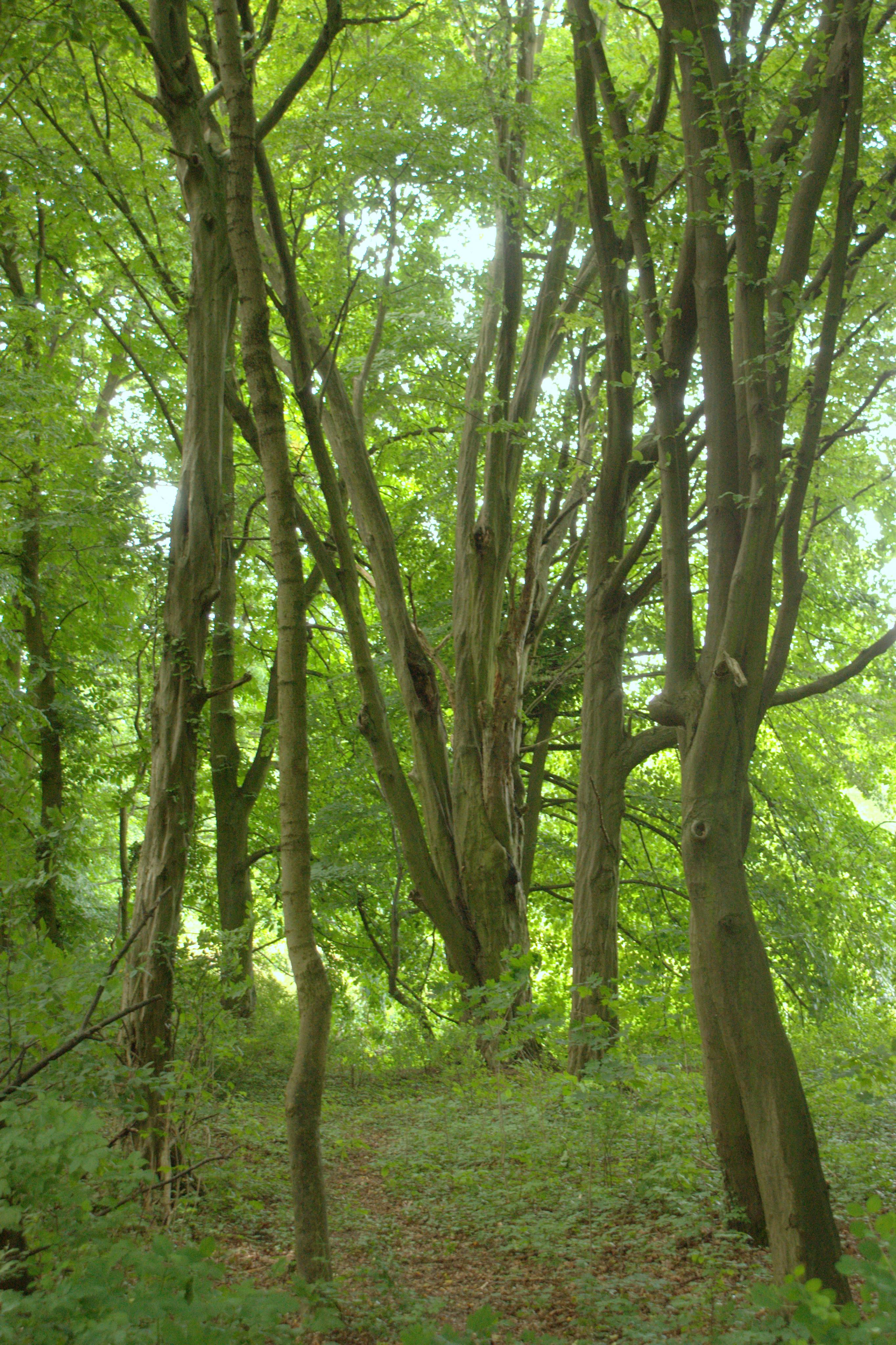
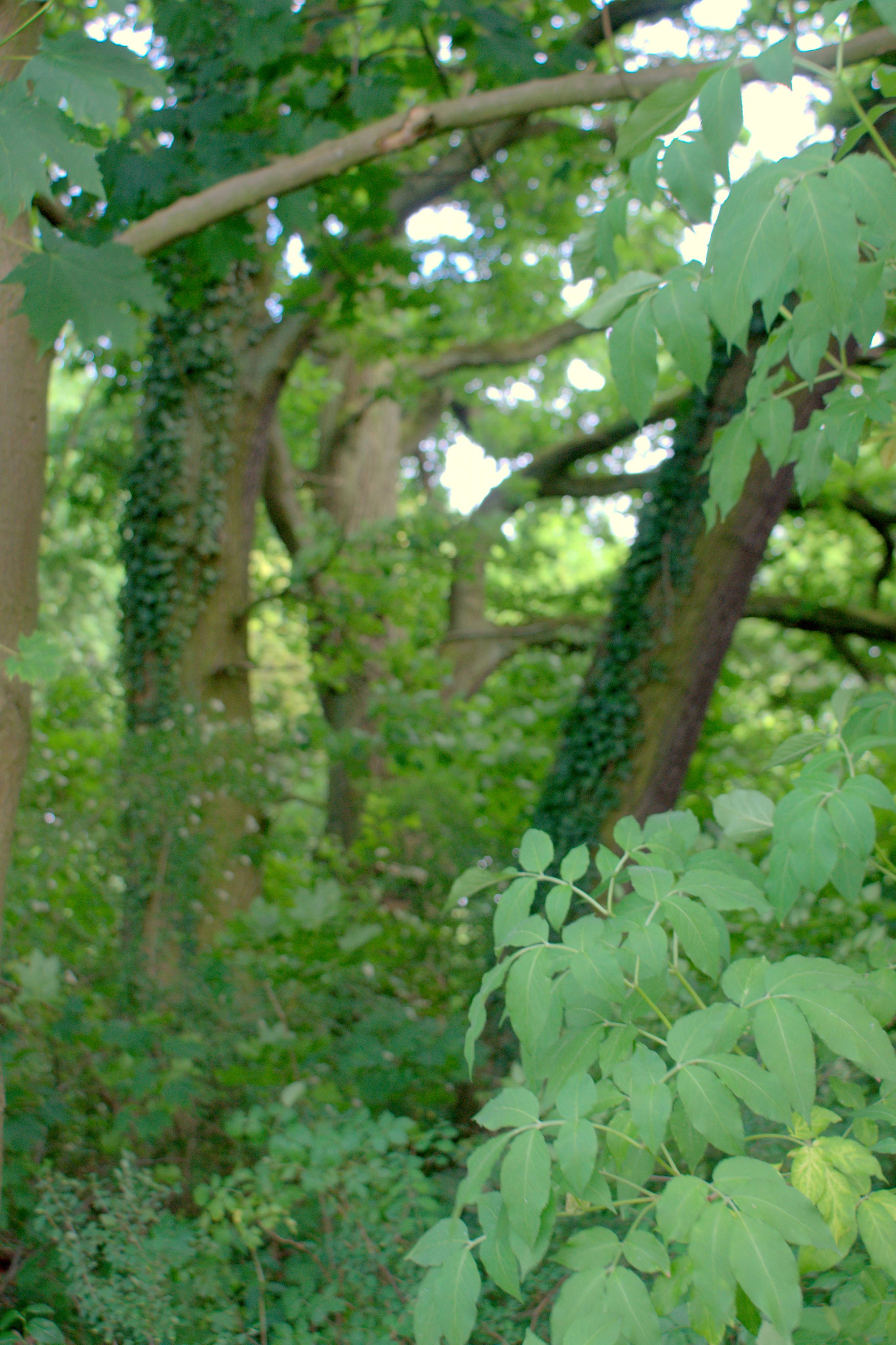
Today, in the park, one can see the ruins of the orangery, the former palace (which burned down during the war), and farm buildings from the second half of the 19th century. Unfortunately, the original layout of the park’s paths and interior spaces is no longer discernible. Some of the valuable old-growth trees have been partially preserved, including two English oaks known as the “Guślarze,” which are 22 meters tall and 5 meters wide (trunk circumference). According to one local legend, this was the site where, in pagan times, the past was foretold and sacrifices were made to the deities. Other trees found here include maples, Chinese hackberry, and Canadian hemlock.
The park’s ponds are still open to the public. Fish such as koi carp, crucian carp, ide, whitefish, and royal carp are raised here. In addition to the fish-farming ponds, there are also fishing ponds. The park is open to visitors.