Routes and trips
 Map
Map MPR - cyclist-friendly places
 POI
POI Plan your trip
 Bike counters
 Publications
 News
News Route concept
 Contact
 Cemetery
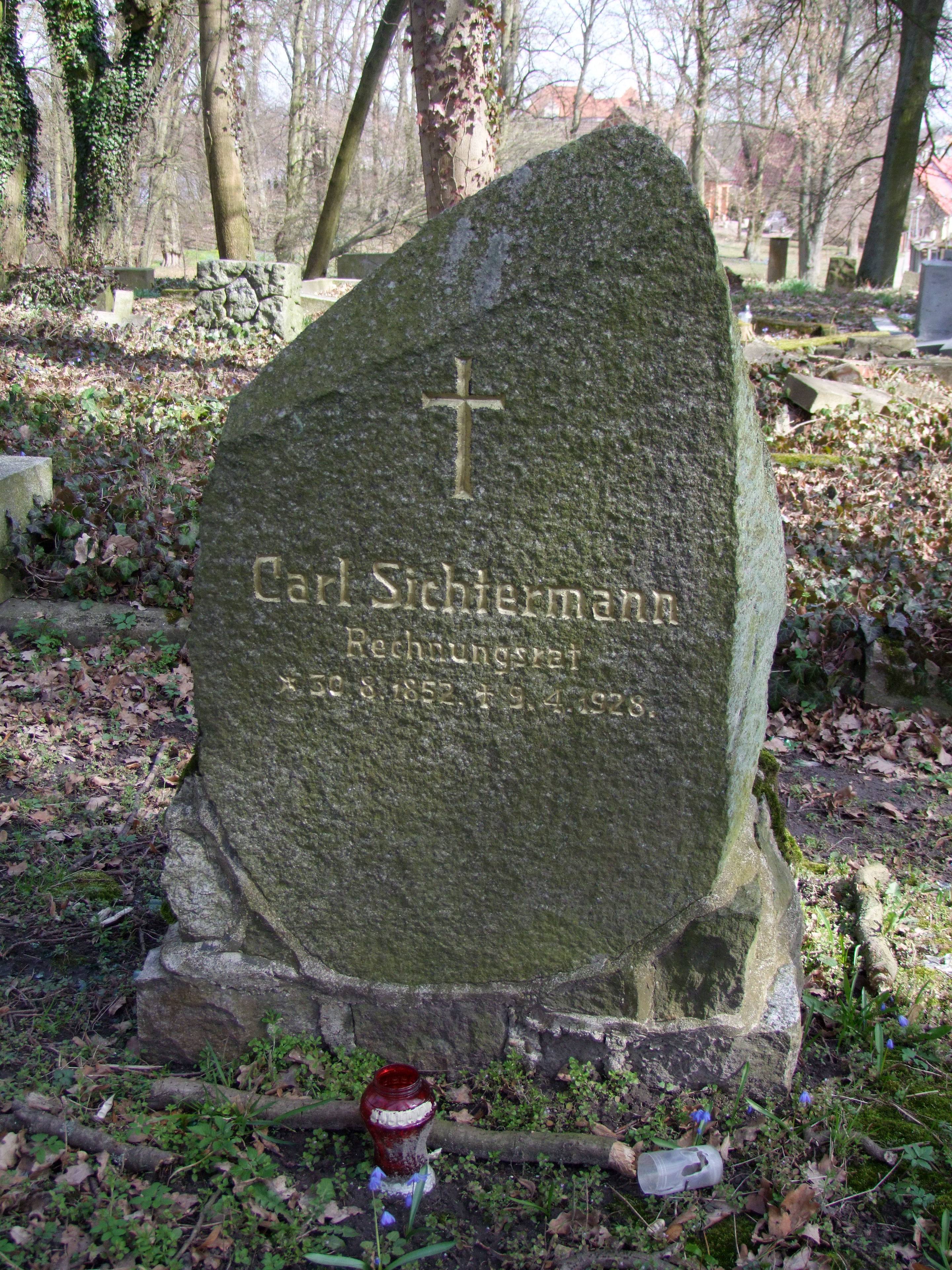
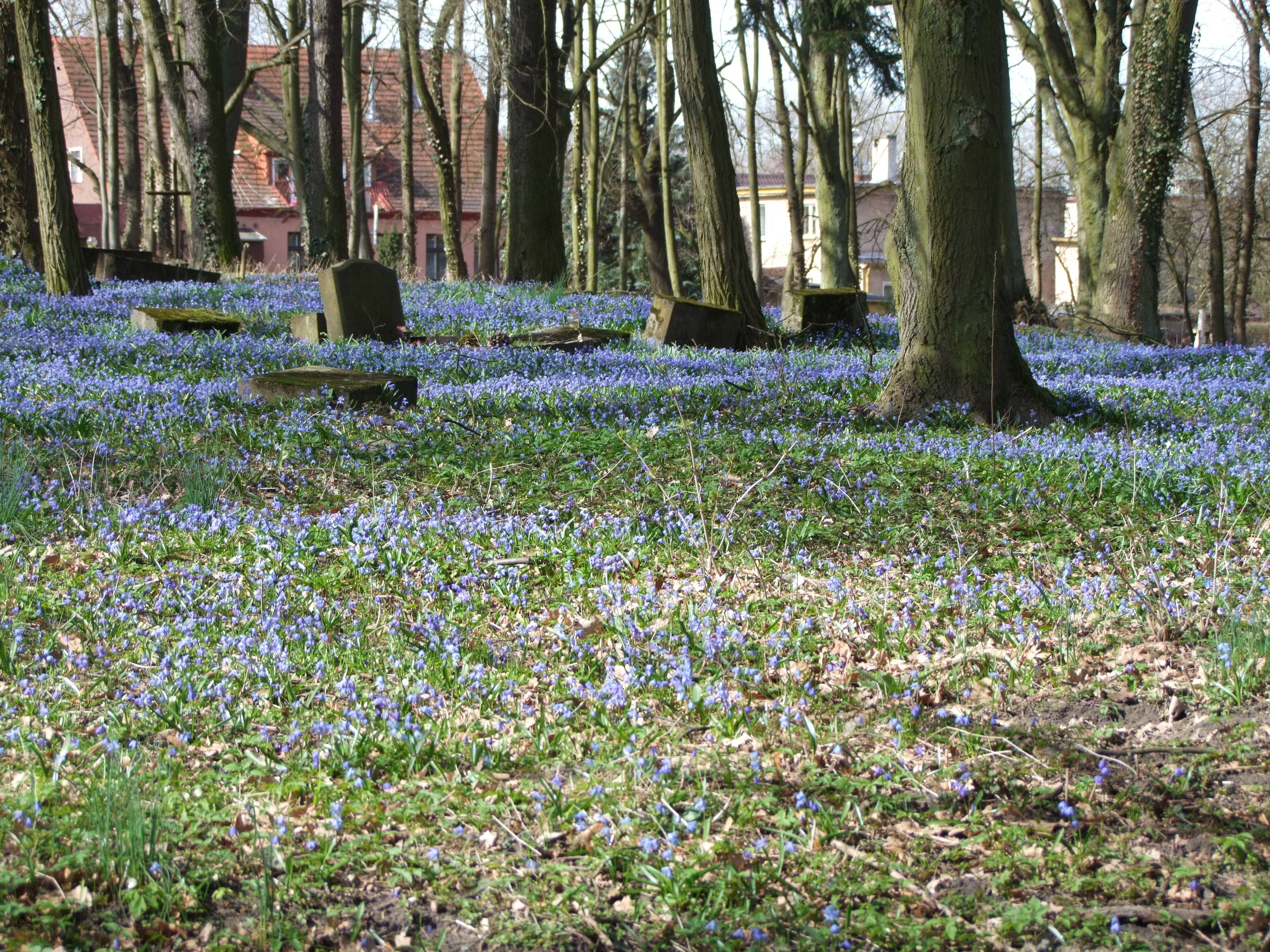
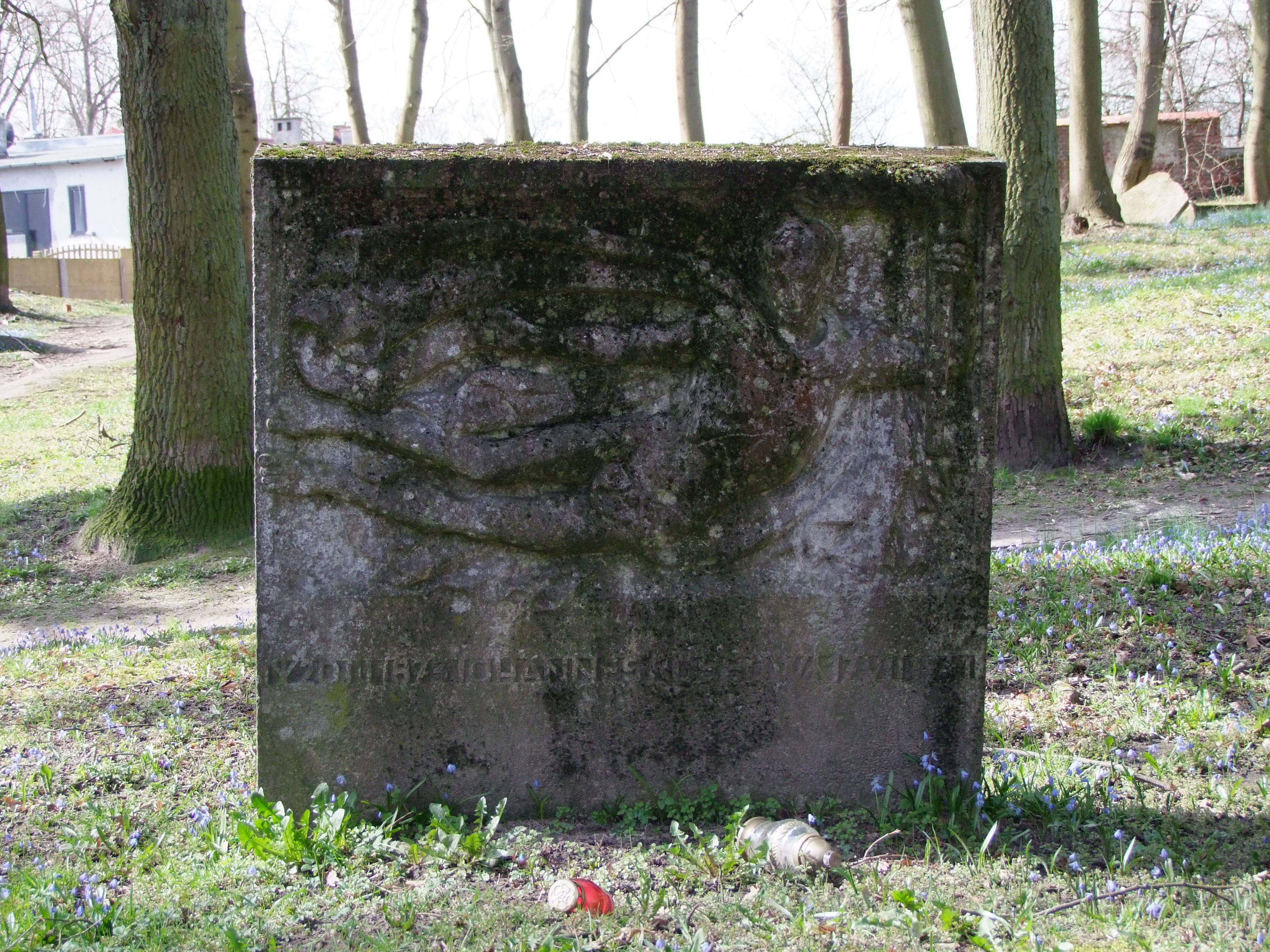
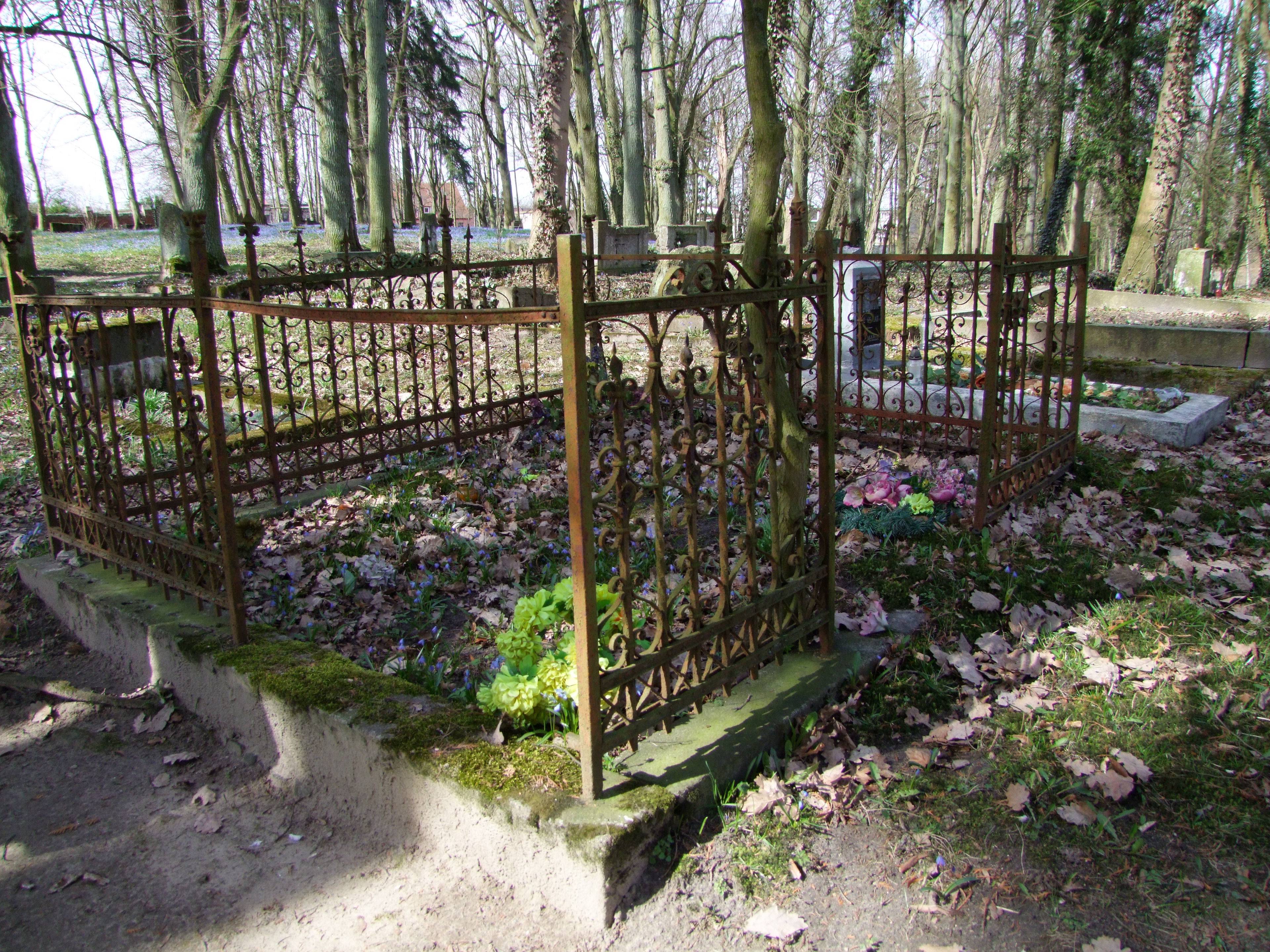
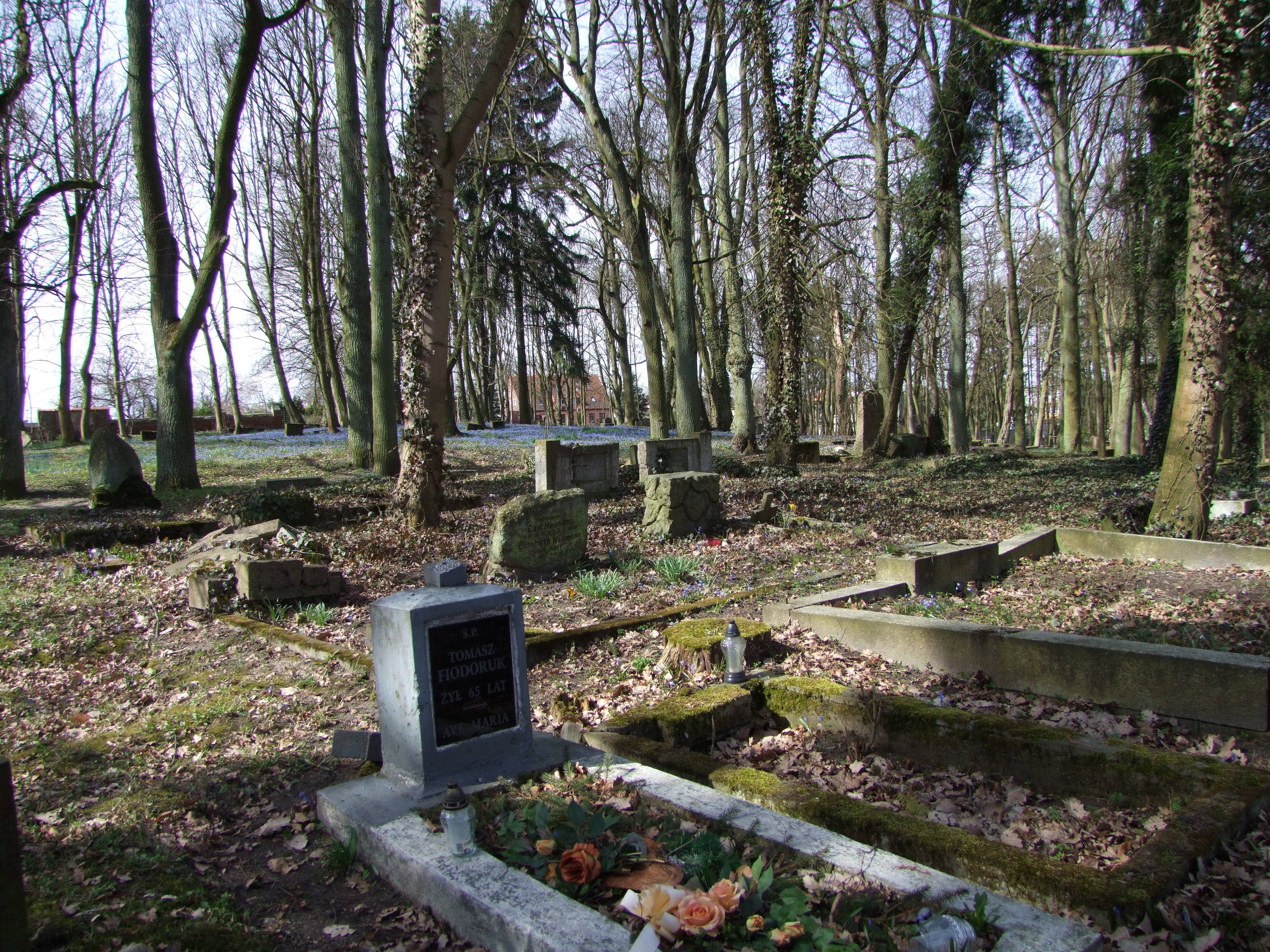
 The cemetery was established in the second half of the 19th century by the Evangelical congregation. Initially, it covered approximately eighty ares and was divided into four main sections by linden and oak-lined avenues. At the beginning of the 20th century, the cemetery was expanded by incorporating land from the northeast, southwest, and northwest. This was related to changes in the development of that part of the city and the creation of a promenade along Lake Raduńskie. At that time, a cemetery chapel with an interesting rotunda shape was built on the cemetery grounds, funded by Maria von Helke, and a fence with a decorative gate was erected. Not all of the cemetery’s large area was utilized—no burials took place in the northern section, and that part took on the character of a park. A sports field was even set up there, though it was rarely used.
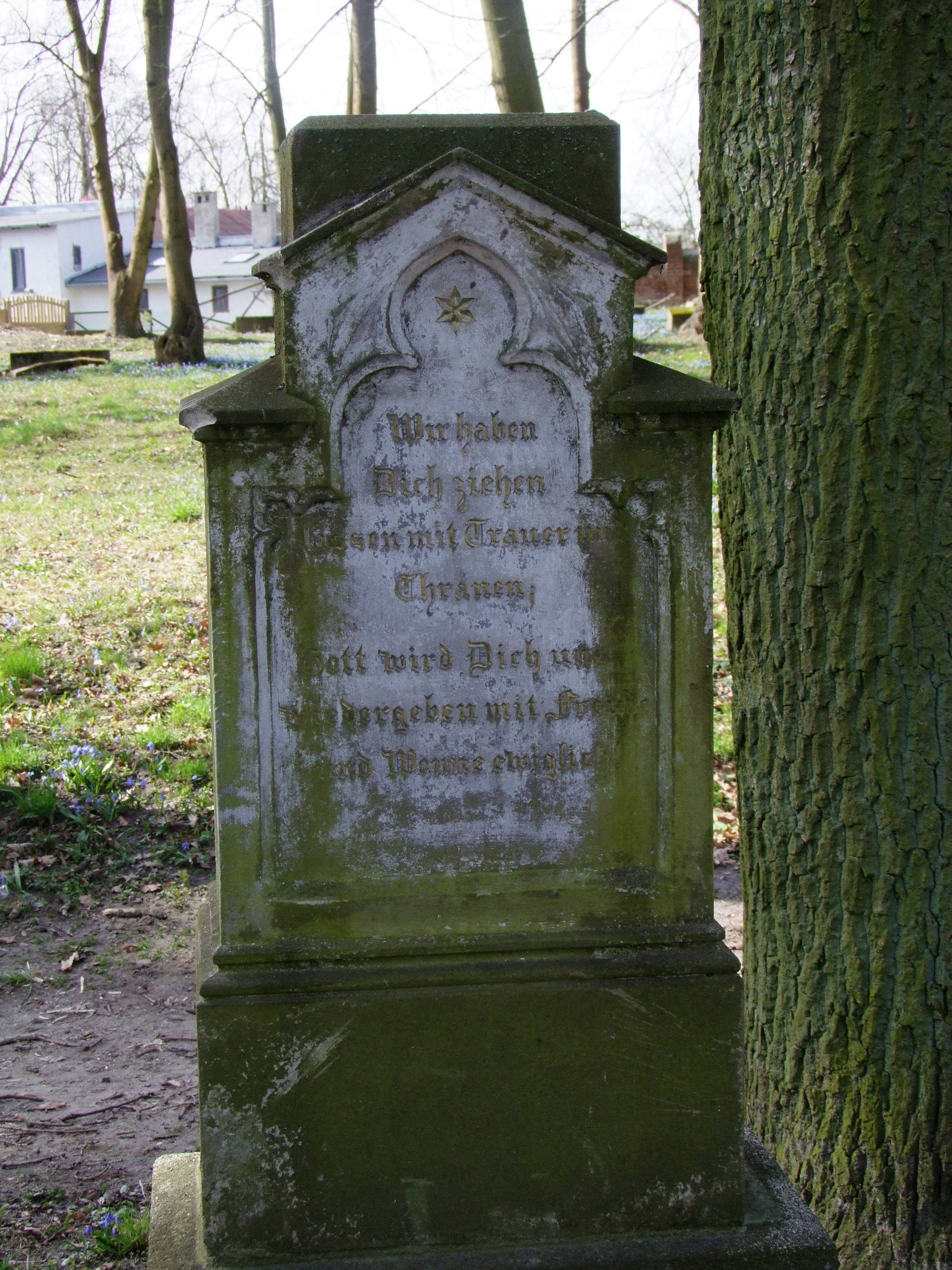
After World War II, the cemetery chapel and the adjacent section of the cemetery were taken over by the parish of the Polish Autocephalous Orthodox Church of the Holy Trinity in Wałcz. From that time on, the chapel began to serve as an Orthodox church, that is, the parish church of the Orthodox community. The remaining part of the cemetery was under the jurisdiction of the Roman Catholic parish of St. Nicholas. In the Orthodox section of the cemetery, Evangelical tombstones have been preserved, while those in the northwestern section were destroyed. The cemetery contains many gravestones in varying states of preservation, diverse in style and artistic design; the oldest surviving gravestone dates from 1891. There are also gravestones from 1910, 1931–43, and many undated ones. The most interesting architectural feature is the Orthodox church, built of red facing brick with intriguing architectural details, such as the Tudor arch framing the main entrance portal, as well as arcaded and crockstone friezes. The interior of the church is well worth a visit, featuring a historic iconostasis brought here from eastern regions.