Routes and trips
 Map
Map MPR - cyclist-friendly places
 POI
POI Plan your trip
 Bike counters
 Publications
 News
News Route concept
 Contact
 The Old Town and Cathedral District
 The town’s name comes from a boulder known as the “royal boulder,” located on the shore of Chrząszczewska Island. According to tradition, Bolesław Krzywousty is said to have inspected his fleet from it in 1121.
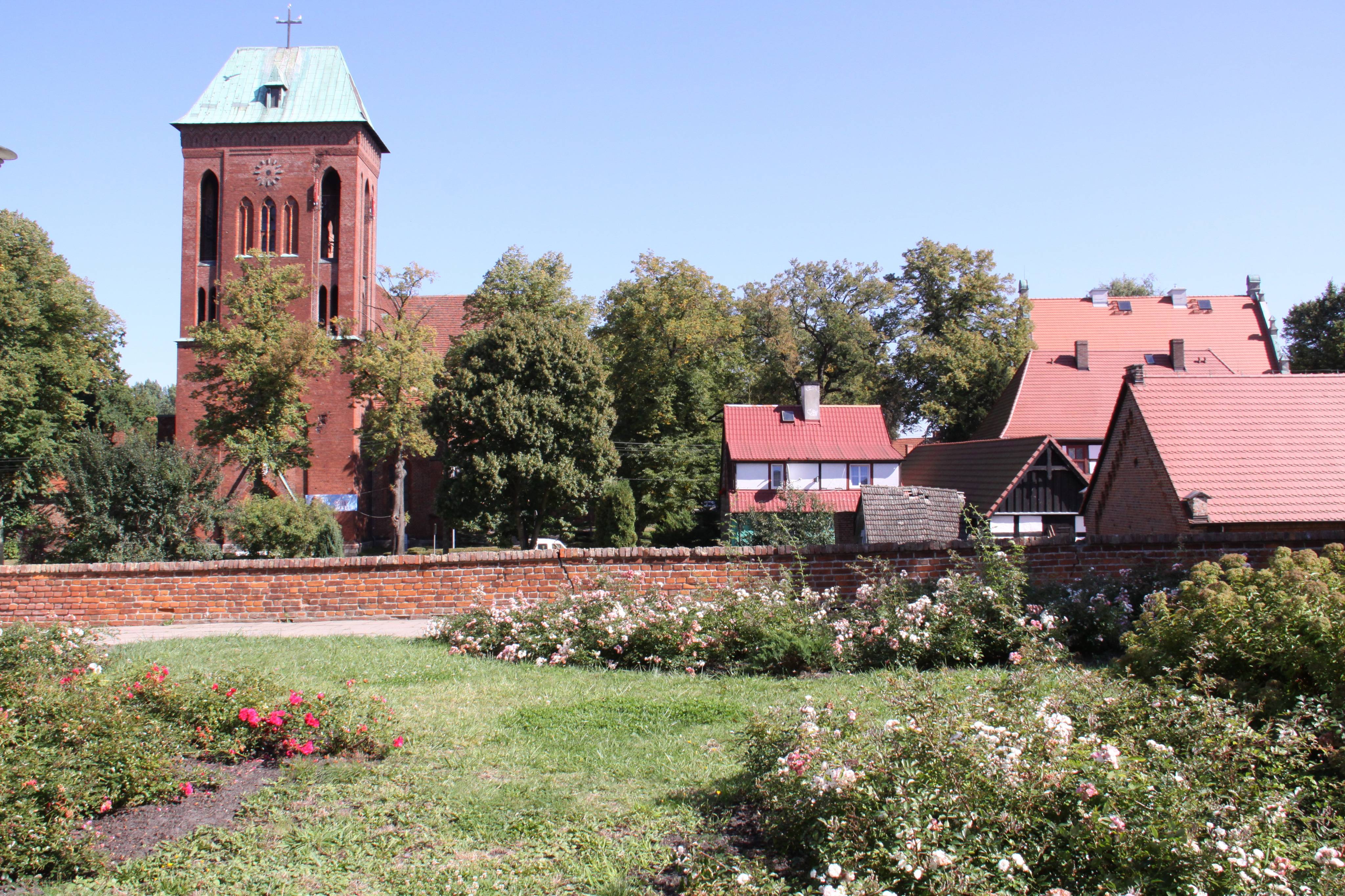
Due to its location, the settlement quickly gained in importance. As early as 1176, it became the seat of the Pomeranian bishops. This occurred after the original episcopal capital in Wolin was ravaged. It was then that construction began on the canonry, the bishop’s palace, and the cathedral, which—due to invasions by the Danes and Brandenburgers—was not completed until the 14th century. The entire complex was surrounded by a defensive wall. In later centuries, the complex was expanded to include the dean’s house, the rectory, a convent for young women, the sacristan’s house, a brick canonry, and a school. During the early Reformation, the bishopric was not abolished. It was only after the death of the last Catholic bishop in 1544 that Kamień Pomorski became the seat of Lutheran bishops. It remained so until 1648. From 1648 to 1821, the Lutheran chapter resided in Kamień. From 1812 to 1945, the cathedral served as a parish church. The complex returned to the administration of the Roman Catholic Church after World War II. In 1972, the cathedral was reconsecrated. In 2005, the cathedral complex was designated a Historic Monument.
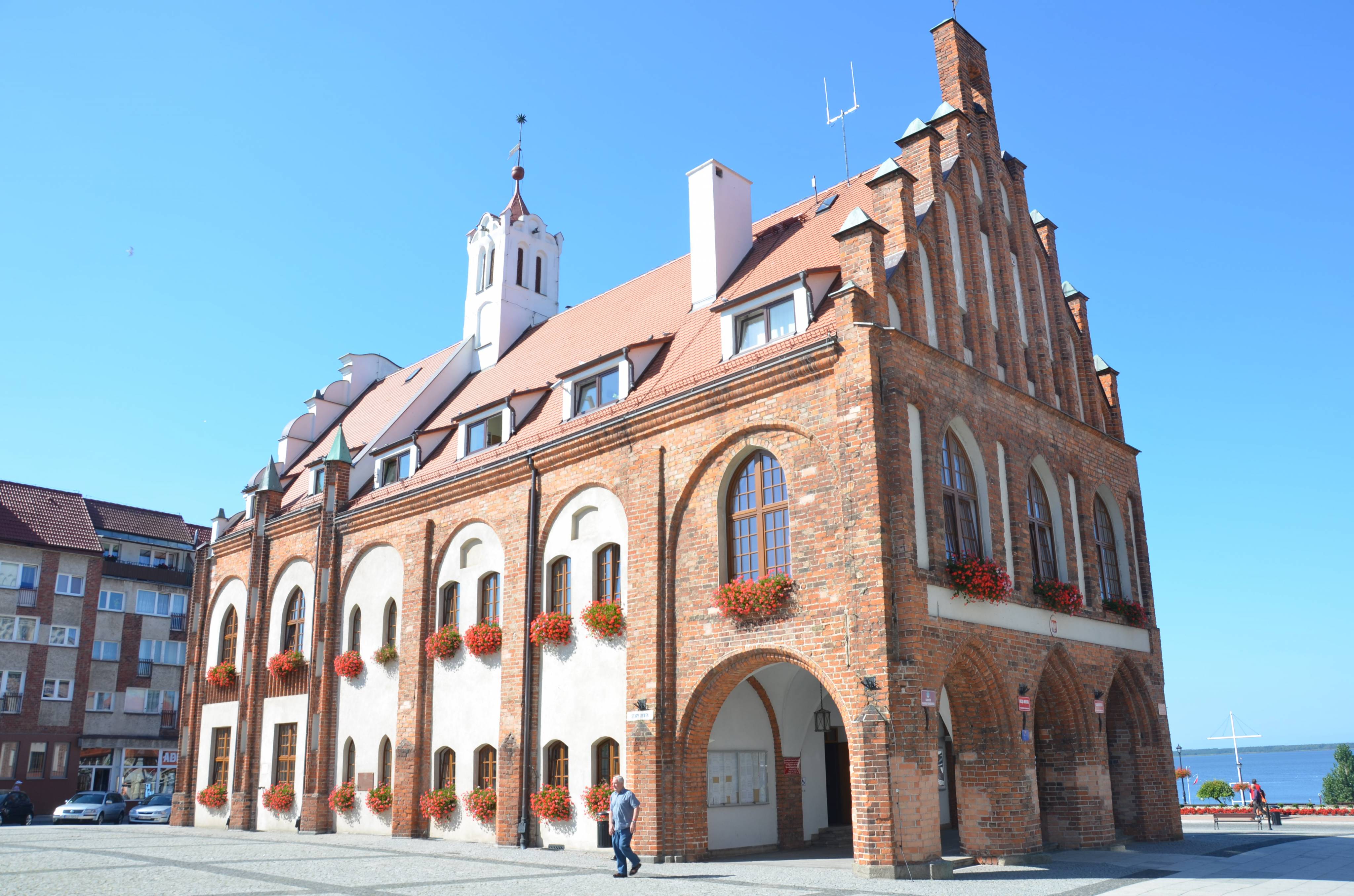
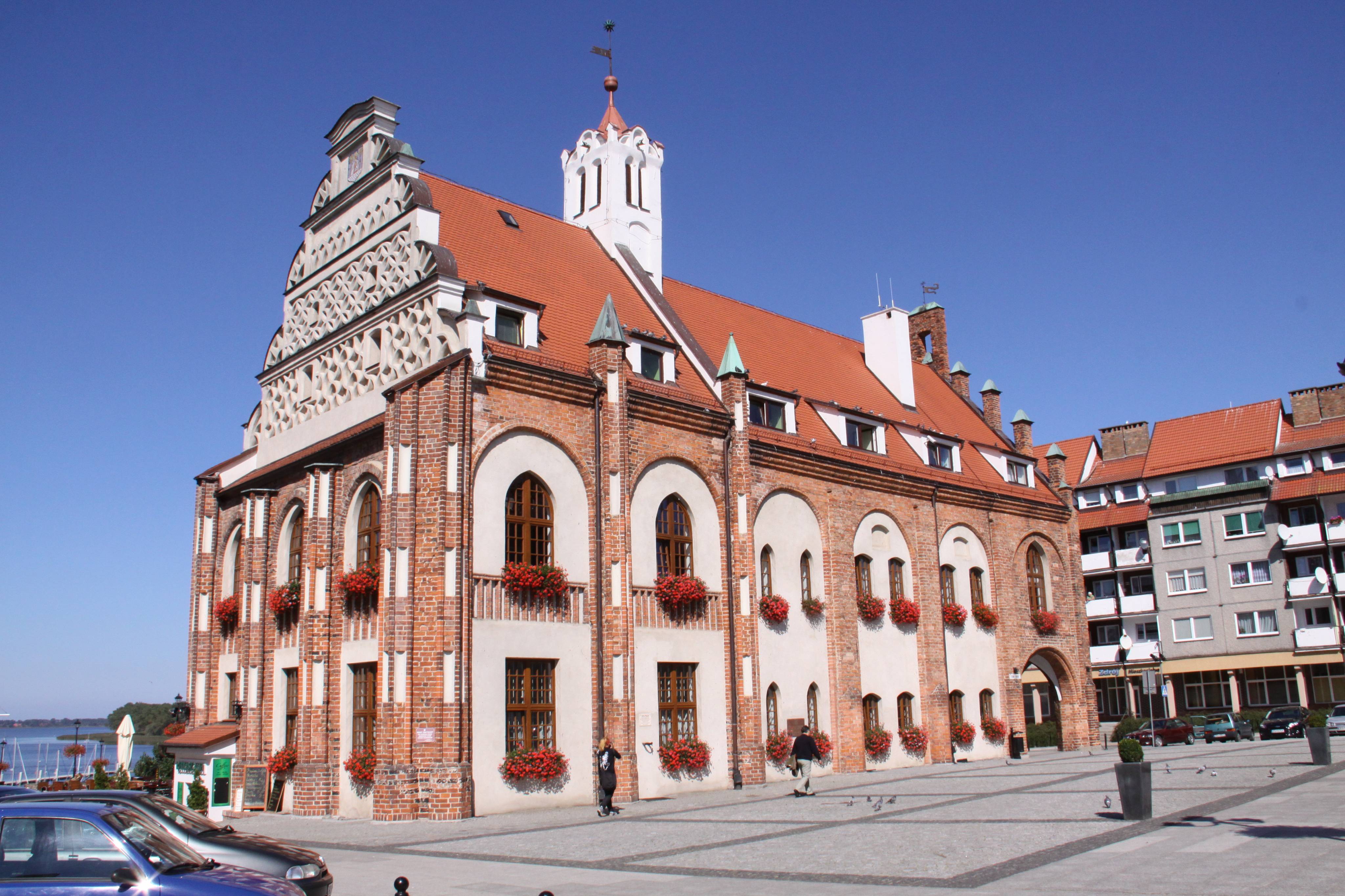
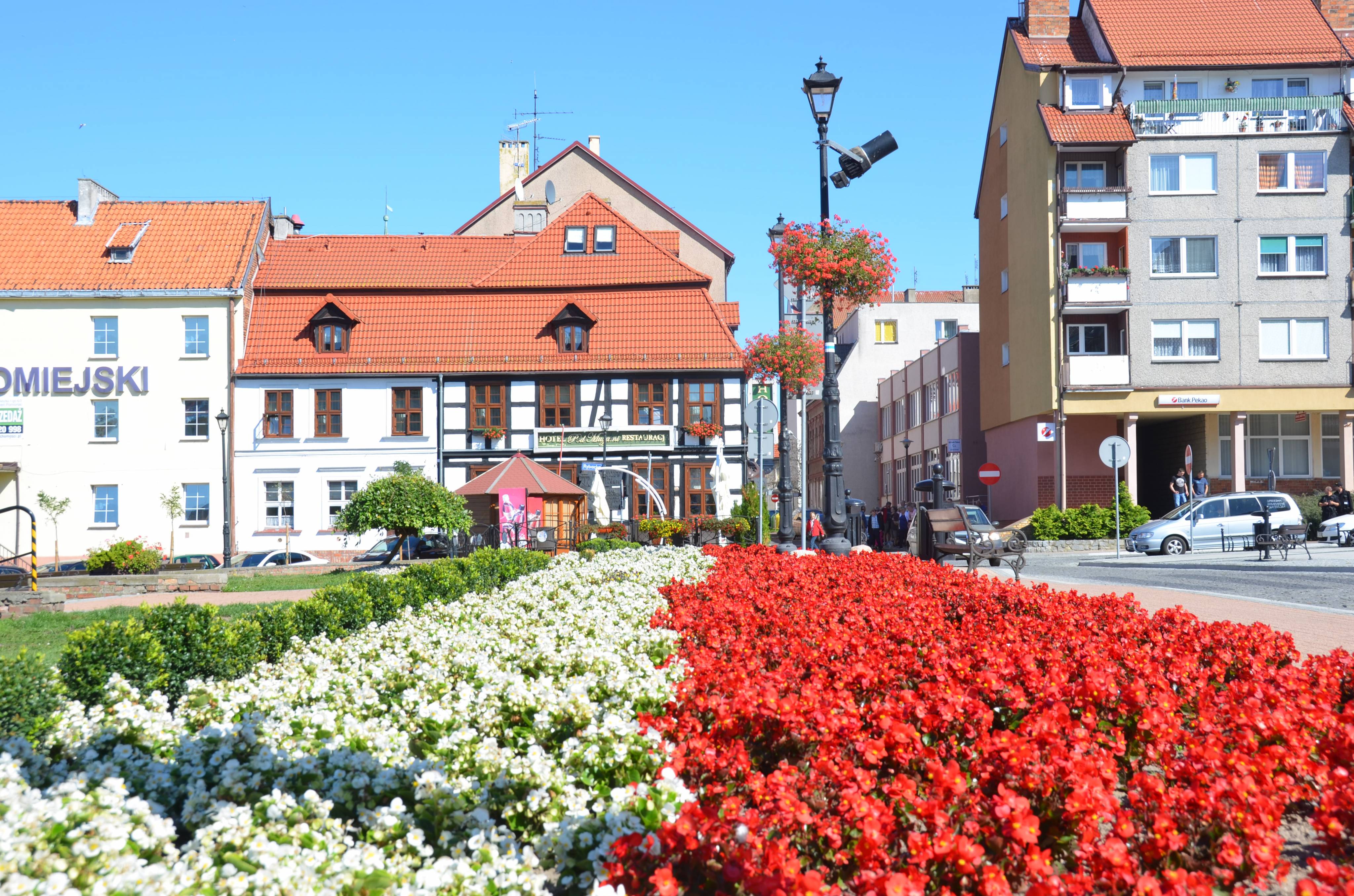
The town developed alongside the cathedral complex. It evolved from a Slavic stronghold that had existed since at least the 10th century. In 1124, Otto of Bamberg performed the first baptism of the inhabitants of Kamień. In 1274, the settlement was granted city rights, which significantly contributed to its development. At that time, a grid of streets was laid out, with a centrally located market square. Construction began on the town hall and the defensive walls. In the 14th century, Kamień joined the Hanseatic League, thereby expanding its network of commercial and political contacts. In the 17th century, the town changed its territorial affiliation three times. First, it came under the rule of the kings of Sweden, then Brandenburg, and finally the Kingdom of Prussia. In 1892, the railroad reached Kamień. During the final phase of World War II, 40% of the city was destroyed in a bombing raid by the Red Army. It was transferred to Poland in this condition. In the 1960s, part of the surviving historic buildings was demolished and replaced with a housing estate.