Routes and trips
 Map
Map MPR - cyclist-friendly places
 POI
POI Plan your trip
 Bike counters
 Publications
 News
News Route concept
 Contact
 The ruins of the palace
 The first mentions of Dębogóra date back to the second half of the 14th century. In the 15th century, the village was owned by a knight named Bartłomiej, who became famous for having captured the village of Gradziec, located across the river, by trickery in 1478. Bartłomiej hid his knights in wagons carrying supplies for the town; once they reached the village, they attacked the drunken Brandenburg troops. In 1550, the village passed into the hands of Jan Falcke, chancellor to the Duke of Szczecin. In the 18th century, Dębogóra belonged to Frederick William von Hohenzollern, who also owned estates in Swobnica and Schwedt. Toward the end of the 18th century, the Schmidt family became the owners of the estate. From the early 19th century, the village was owned by Dr. Karol Cranz; in 1835, the Frenchman Jean Louis Coste, the district administrator of Gryfino County, inherited Dębogóra from his father-in-law. The Coste family was the last to own the village—they retained possession until 1945.
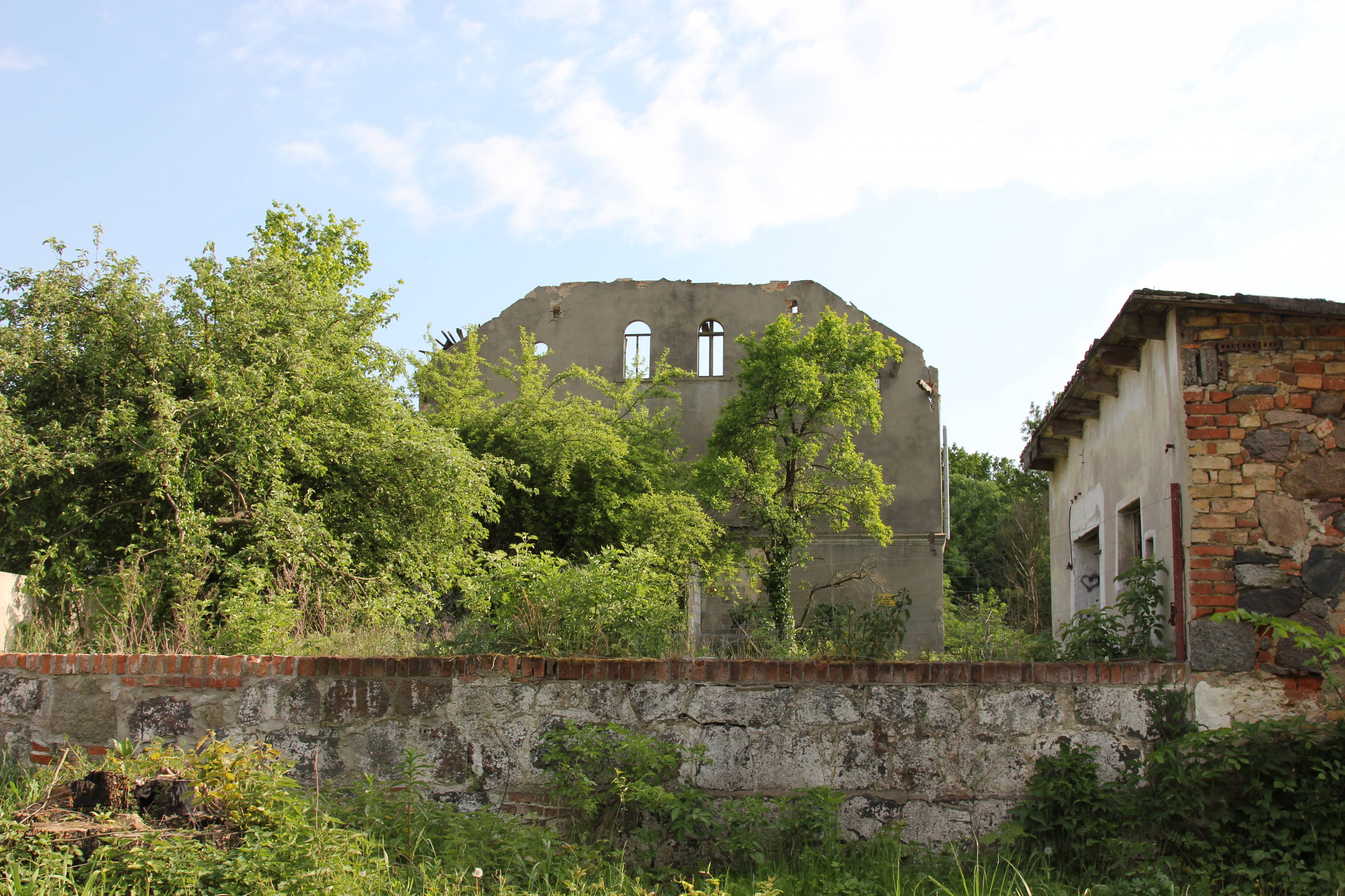
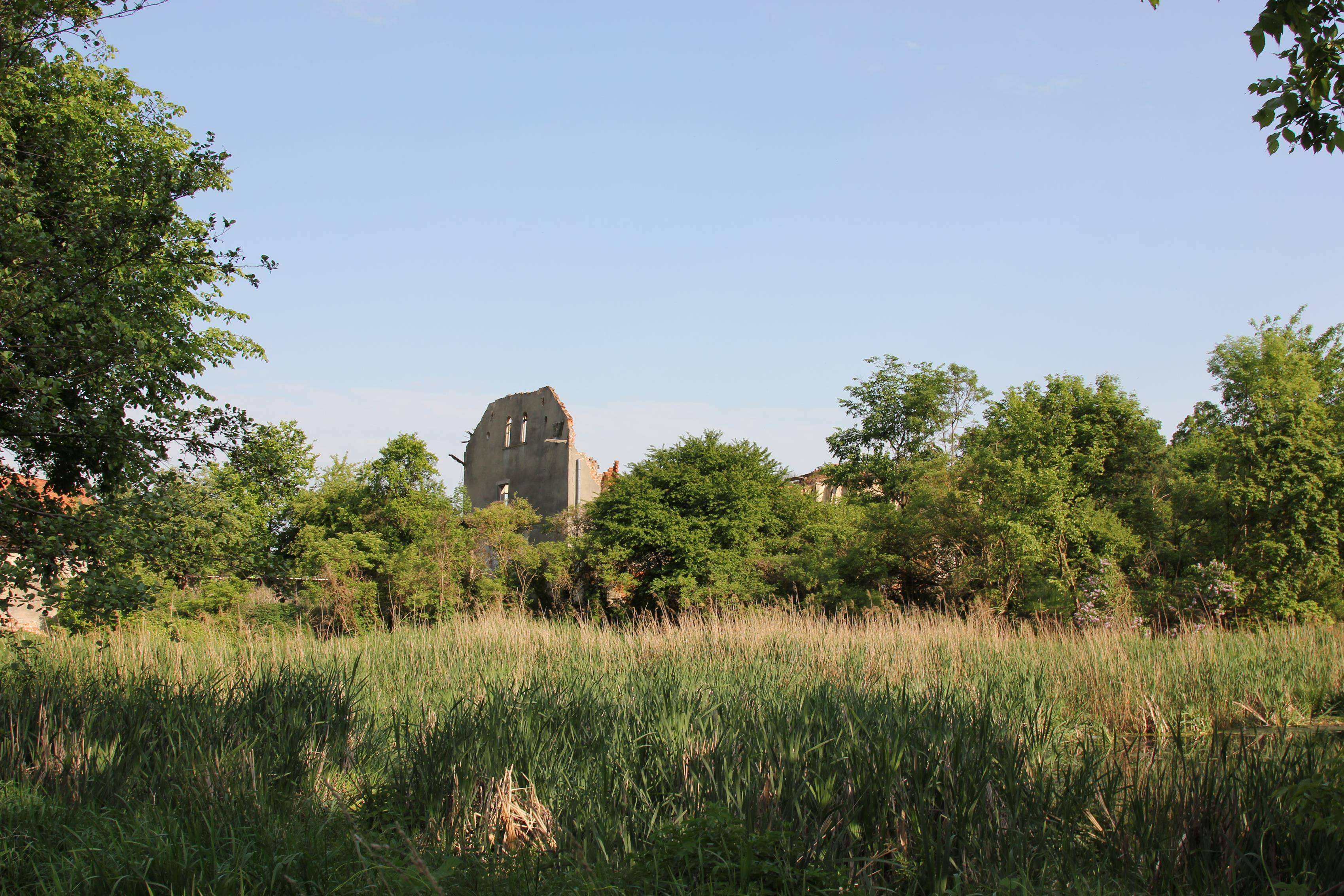
In the southern part of the village, one can find abandoned farm buildings that were once part of the manor complex. A stylistically unremarkable manor house, built at the turn of the 19th and 20th centuries, has also survived. The building was erected on the site of a former knight’s residence. It is a two-story structure with a rectangular floor plan, featuring a projecting risalit and a porch. The building is topped by a gable roof. The architect of the manor house is unknown.
The manor house was added to the list of historic monuments in February 1995. Currently, the building is in a state of ruin. The roof has collapsed, and the window and door frames are missing. The ground-floor window openings are bricked up. Entering the building may be dangerous.
The manor is surrounded by a 13.2-hectare landscape park established in 1821. The garden features linden tree-lined avenues and an interesting mix of trees, including sweet chestnut, swamp cypress, ginkgo biloba, and American tulip tree.