Routes and trips
 Map
Map MPR - cyclist-friendly places
 POI
POI Plan your trip
 Bike counters
 Publications
 News
News Route concept
 Contact
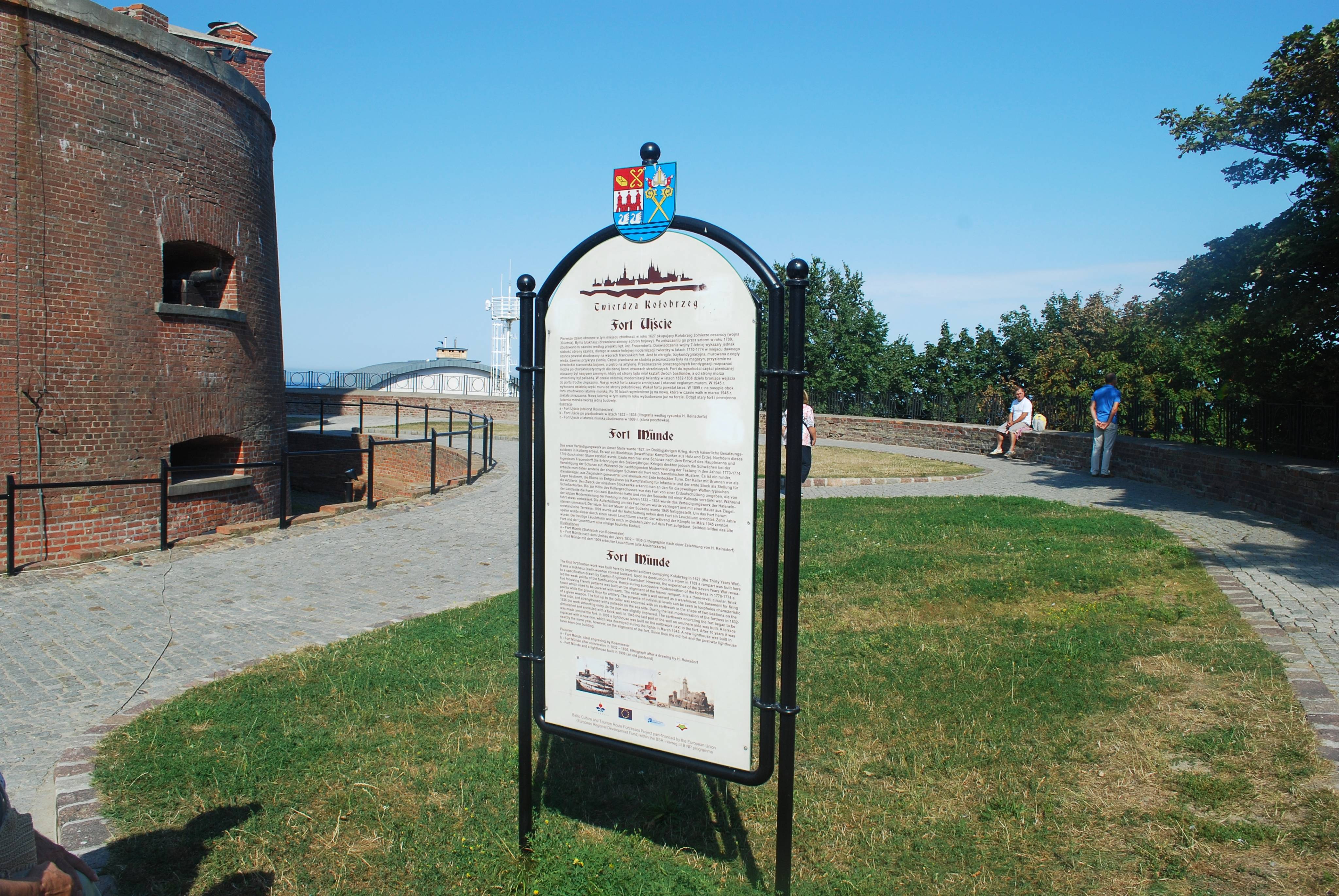
 Fort Ujście
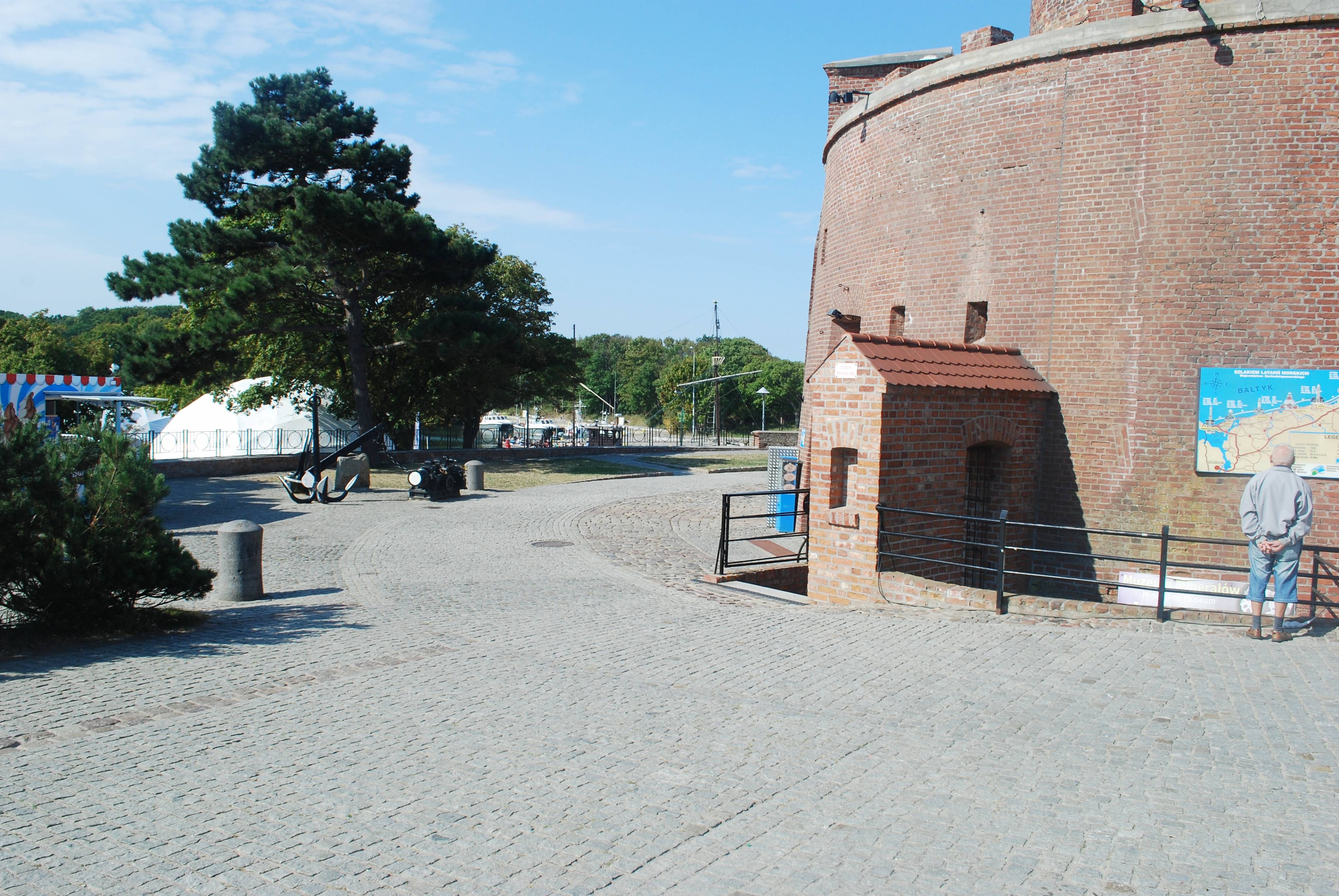
 The port has always been a place of military significance, as it ensured the delivery of supplies and provisions and could serve as an evacuation route. Fort Ujście, whose design had been refined since the seventeenth century, owes its current form to the evolution of engineering—from a simple earthwork, through a brick bastion with a wooden palisade facing the sea built between 1770 and 1774, to a three-story structure surrounded by a wall built between 1832 and 1836. The fort survived in this condition until World War II, and in March 1945, it served as the Germans’ last point of resistance. It was captured on the final day of the Battle of Kołobrzeg—March 18.
The lowest level still houses a spring that ensured the fort’s garrison had access to fresh water. It also contained storage areas for provisions, weapons, gunpowder, and ammunition. The second, middle level housed infantry positions, and the third level housed artillery positions. Seven embrasures on each of the two upper levels allowed for firing in all directions. The structure was covered with earth.
The first lighthouse at Fort Ujście was built in 1899, when the city ceased to function as a fortress and the military facilities were municipalized. Ten years later, the half-timbered building was demolished and replaced with a brick structure. It survived until March 1945, when the Germans themselves blew it up to make it more difficult for Polish troops to take bearings for their artillery. As early as November 1, 1945, a new lighthouse—built from salvaged bricks by soldiers of the Soviet garrison—was put into operation; after some cosmetic changes, it remains in use to this day. The underground level of Fort Ujście houses a mineral museum. Until recently, it also featured a music club and a disco.