Routes and trips
 Map
Map MPR - cyclist-friendly places
 POI
POI Plan your trip
 Bike counters
 Publications
 News
News Route concept
 Contact
 Cholera Cemetery
 Epidemics broke out in Tuczno and the surrounding area on three occasions. The first of these, a plague epidemic, occurred in 1624; at that time, five hundred residents of the town died as a result of the plague. The plague struck again in 1707, claiming many lives in the town itself and even more in the surrounding area. Between 1837 and 1865, a cholera epidemic spread throughout the entire Wałcz County, brought there by soldiers from the Prussian-Austrian War. In those days, during an epidemic, it was necessary to bury the dead at a certain distance from the city. This is precisely how the Tuczyn cemetery was established; however, over time, the city’s built-up area expanded closer to its grounds. However, no records have survived indicating the year the Tuczyn cholera cemetery was established. No archaeological research has been conducted to determine the century in which the first burials took place, especially since the cemetery was reorganized several times, and burials in subsequent centuries were likely carried out in places where graves had already existed.
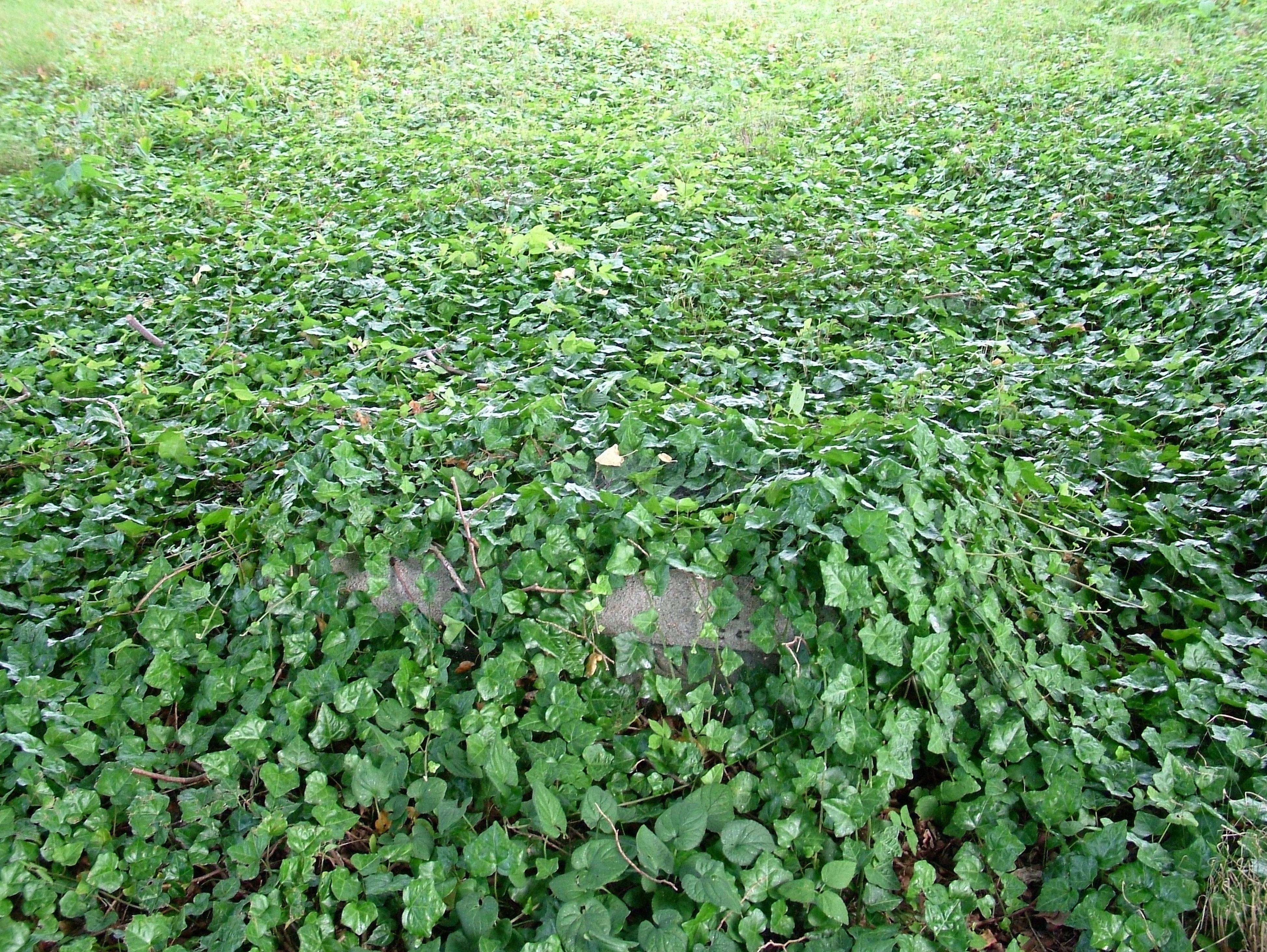
Currently, the cemetery grounds are triangular in shape with a cut-off southern corner. They are overgrown with numerous, long-neglected shrubs, and there are also quite a few old trees here. A fairly wide path runs through the center, but the division into sections is now indistinct. A neo-Gothic brick chapel, likely built in the late 19th century, stands within the cemetery grounds. Traces of graves are visible, but the headstones have not survived.