Routes and trips
 Map
Map MPR - cyclist-friendly places
 POI
POI Plan your trip
 Bike counters
 Publications
 News
News Route concept
 Contact
 Manor House
 Lubiechów is a large village laid out in an oval shape; the first mentions of the village date back to the second half of the 13th century. Initially, the village was a fief of the knight Alberus. In the 14th century, the village belonged to three families—the von Vettyns, the von Lindekows, and the von Gerhards. From the second half of the 15th century to the first half of the 17th century, the village belonged to the von Schoning family. In 1700, Otto Bendt von der Marwitz took over the estate and ran it into debt. In 1746, the village was purchased by Margrave Frederick William von Hohenzollern, the owner of Swobnica and Schwedt, but the transaction was annulled by the King of Prussia. Toward the end of the 19th century, the estate passed into the hands of von Żychlinsky, and subsequently to Captain von Langen. In the mid-19th century, the village belonged to the von Endl family; by the end of the 19th century, the estate belonged to Hedwig von Patow—the wife of Robert von Keudel. From 1916 to 1920, the village belonged to Walter von Keudel.
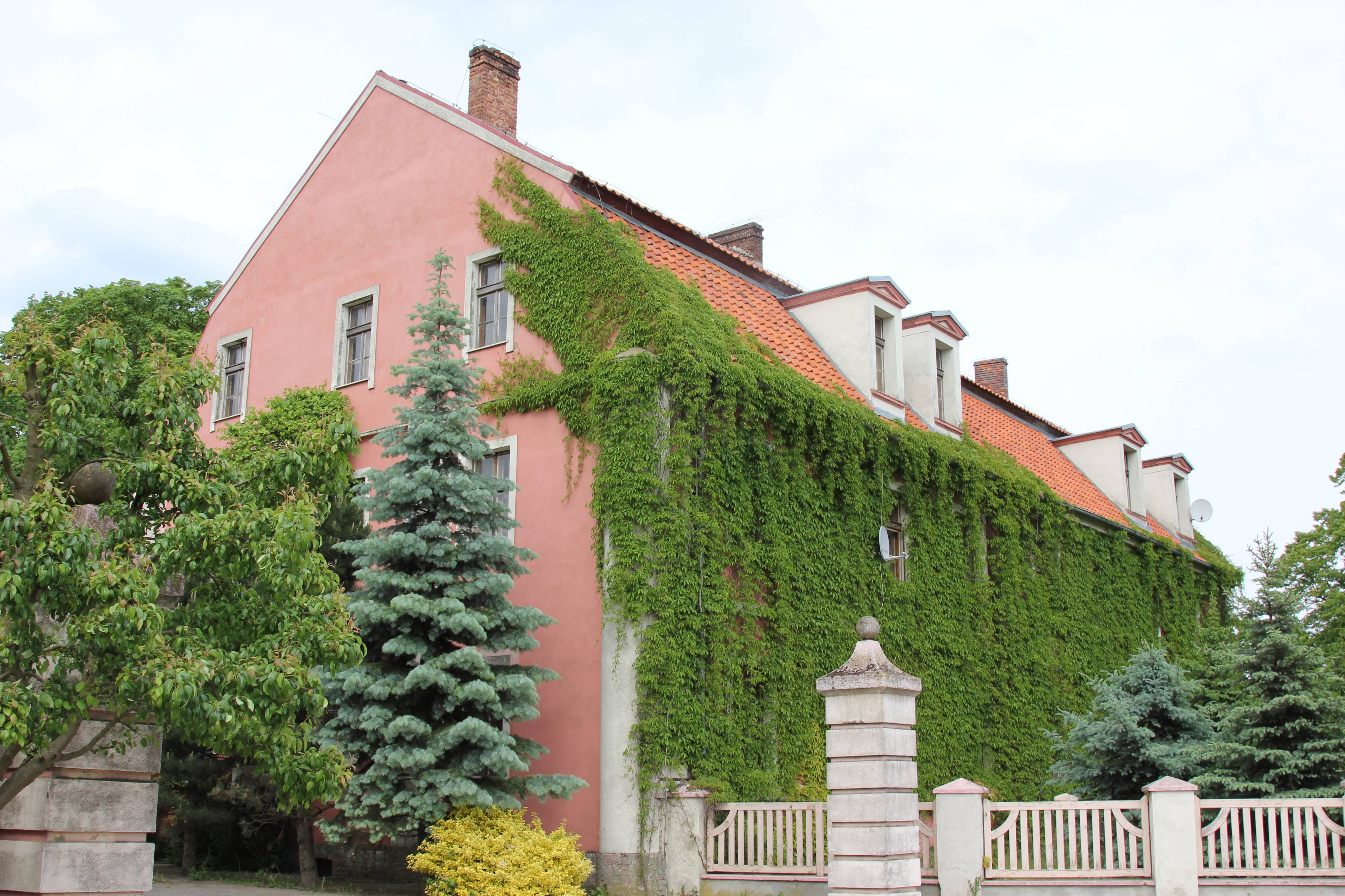
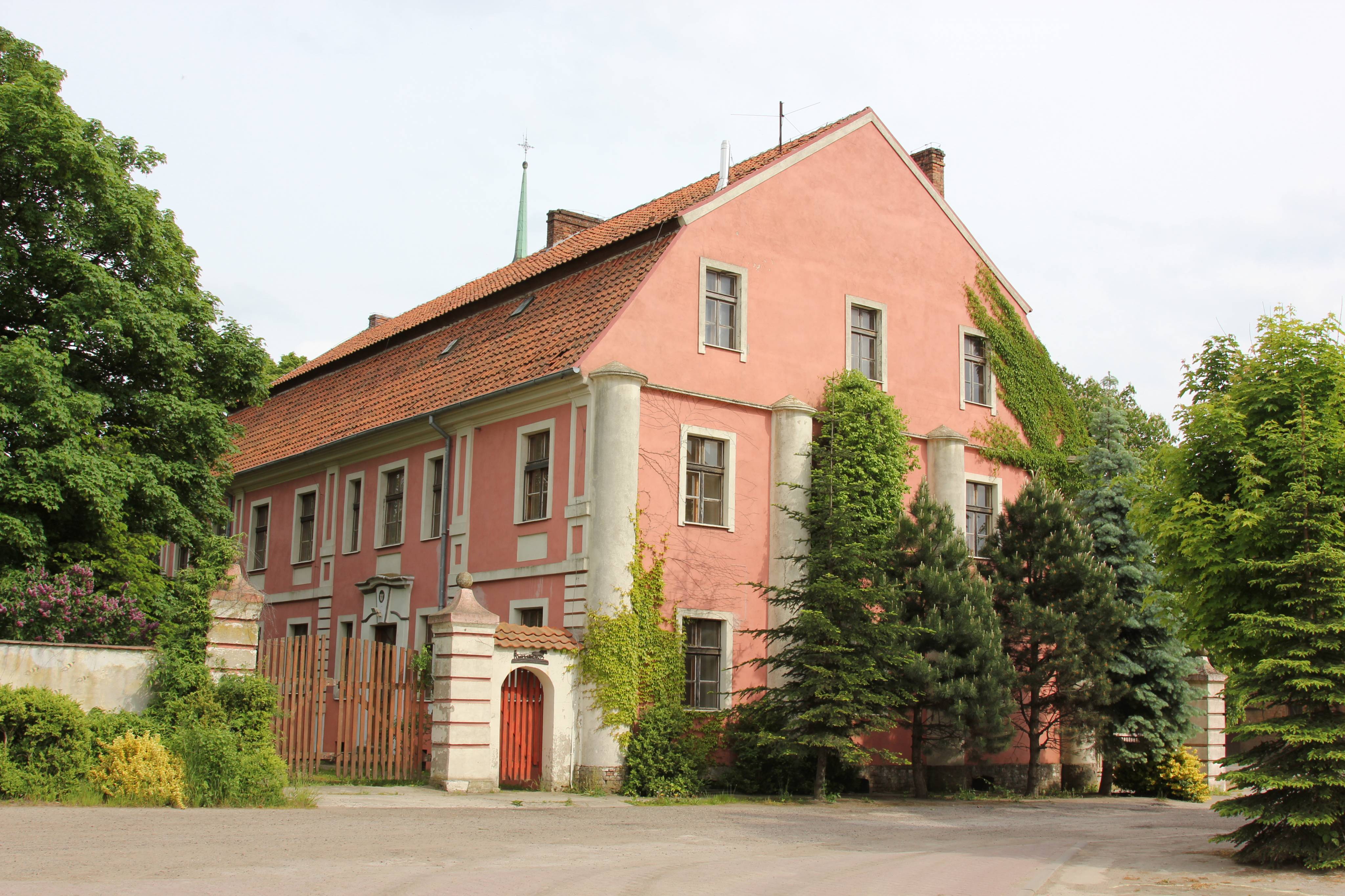
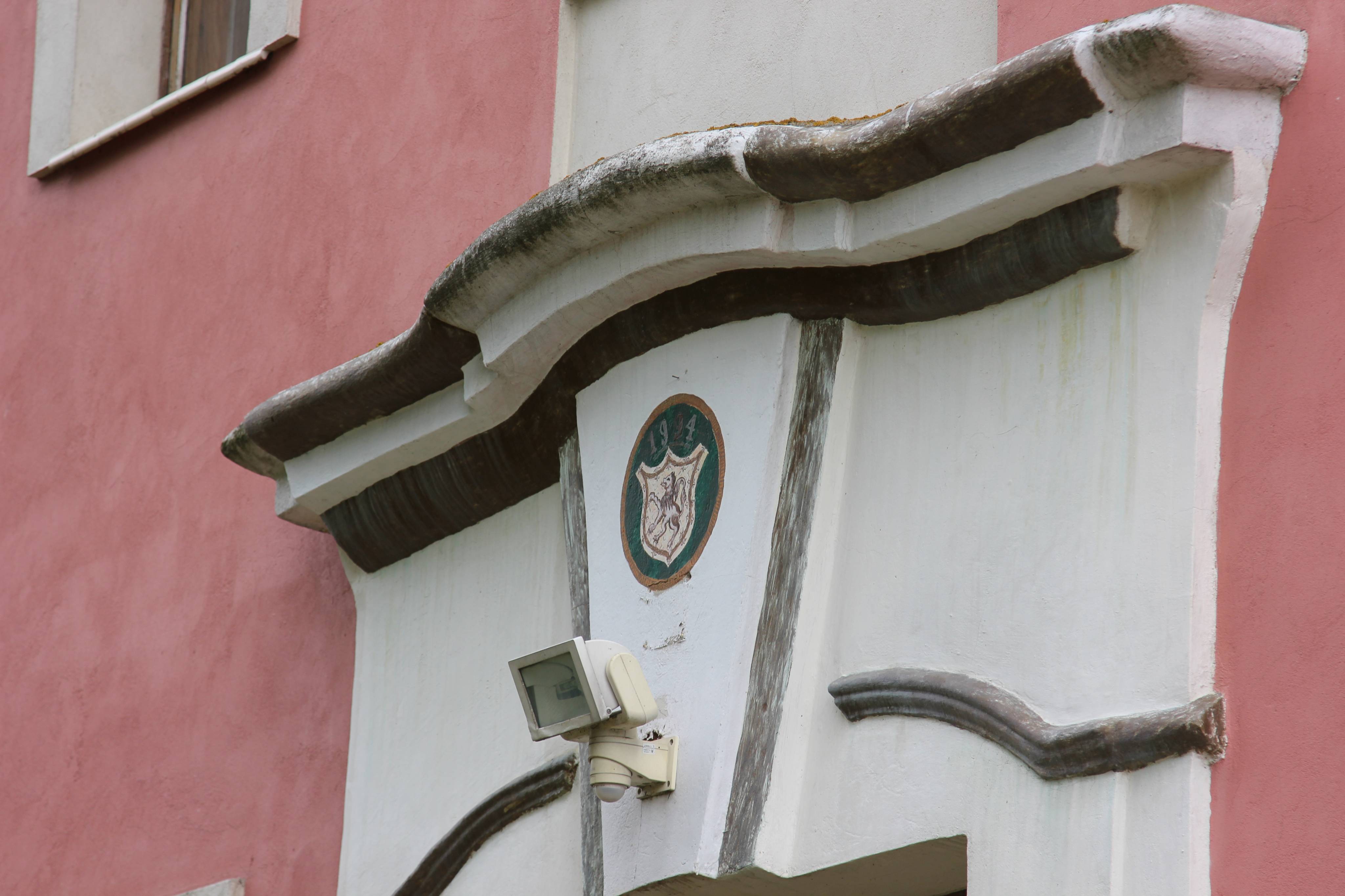
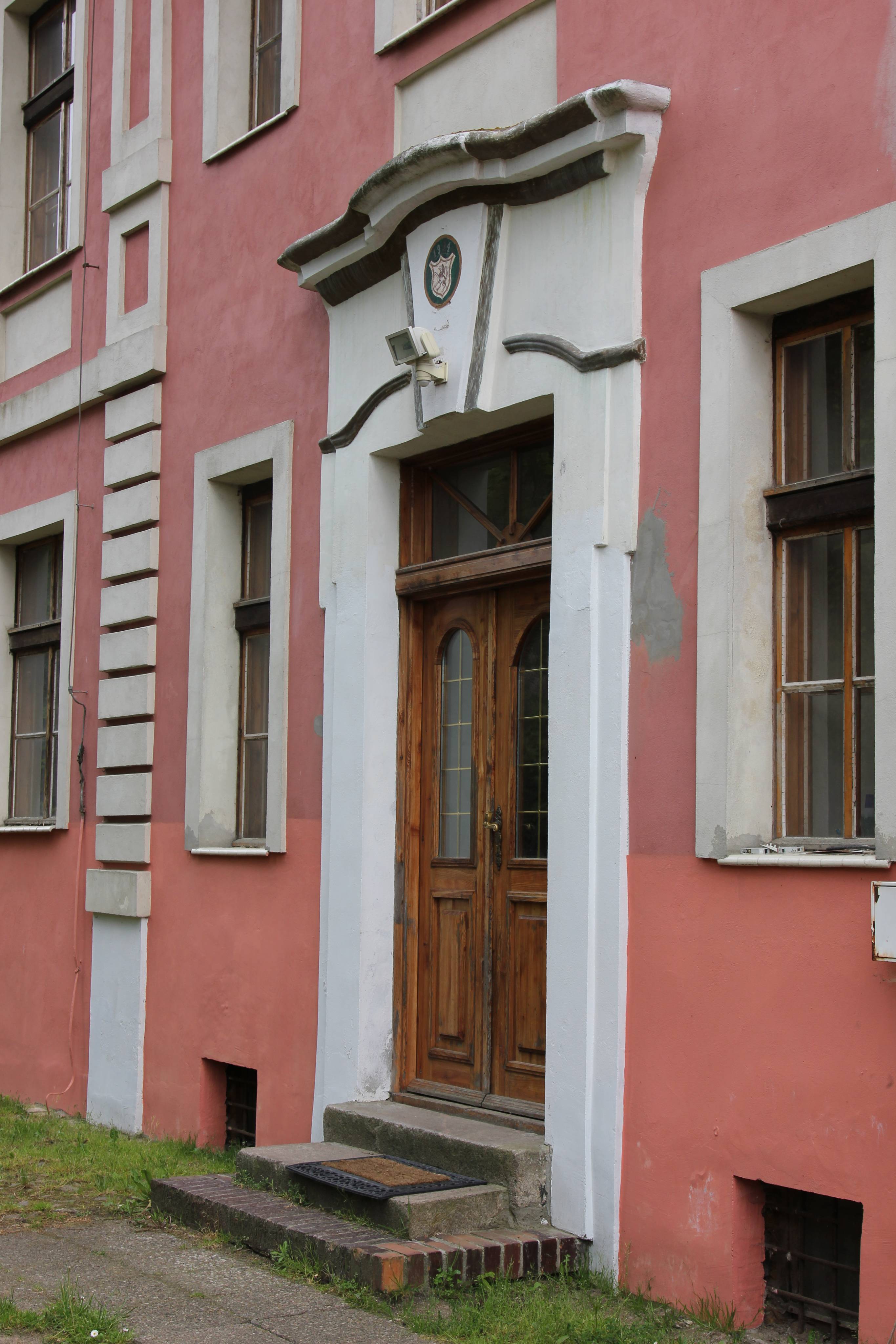
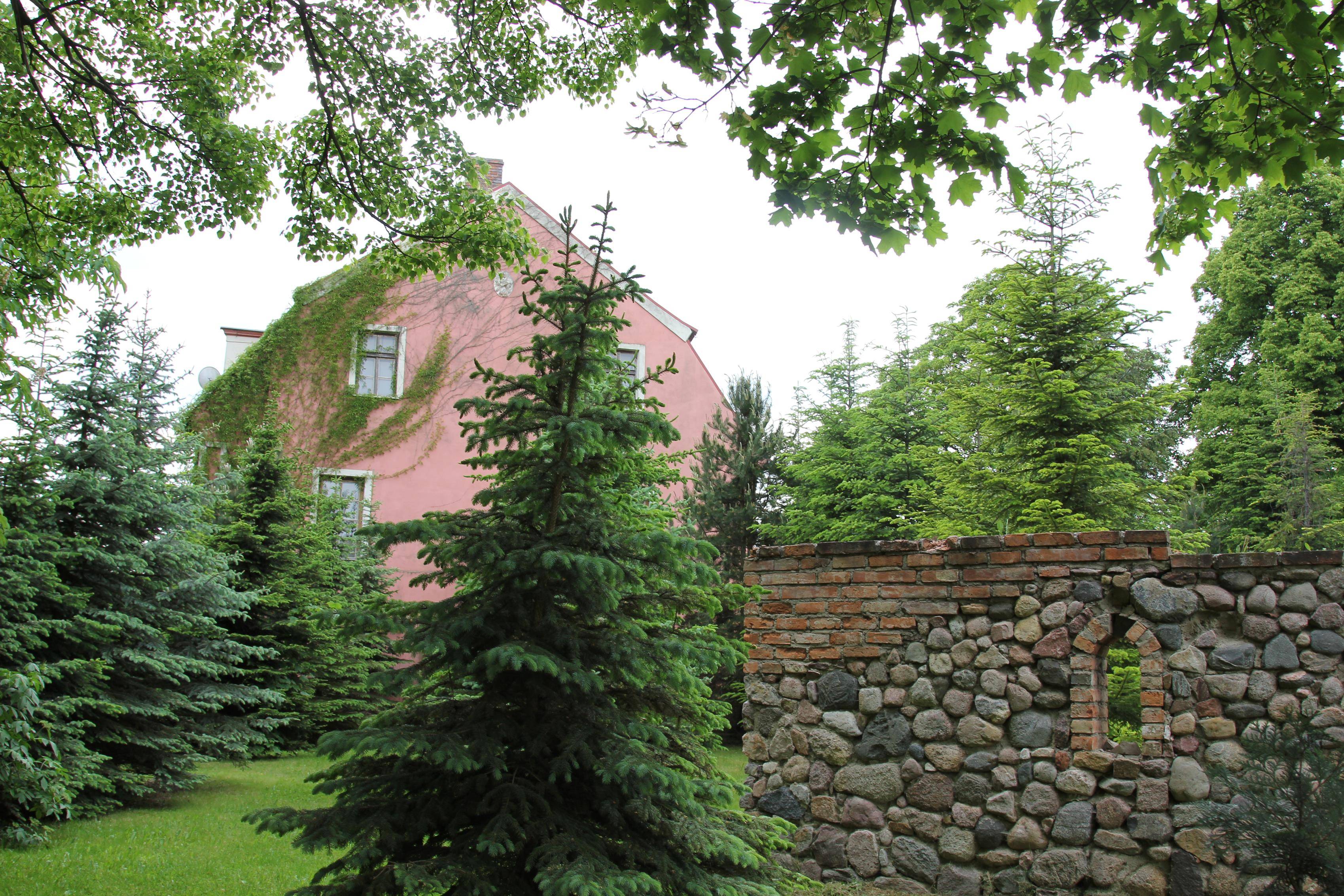
At the turn of the 18th and 19th centuries, a late Baroque-style manor house was built in Lubiechów Górny. The building was constructed on a rectangular plan. In the 19th century, a two-story wing was added to the main structure. The building is topped with a mansard roof. The architect of the building is unknown.
In 1965, the eastern wing of the manor (added in 1820) was demolished; in December of that same year, the property was listed as a historic monument. Today, the renovated building is privately owned. The manor is accessible only from the outside.
A 6-hectare English-style landscape park surrounds the property. The garden was established in the mid-19th century and features an interesting collection of trees, including, among others, weeping oaks.