Routes and trips
 Map
Map MPR - cyclist-friendly places
 POI
POI Plan your trip
 Bike counters
 Publications
 News
News Route concept
 Contact
 Church Cemetery
 Most likely, the cemetery on this site was established when the church was built as early as the 13th century. Toward the end of the first half of the 19th century, a decision was made to build a new church; during the construction work, part of the old cemetery was removed. Further changes occurred in the 1920s and were related to the expansion of a nearby hospital. At that time, the cemetery was expanded toward Pokoju Street.
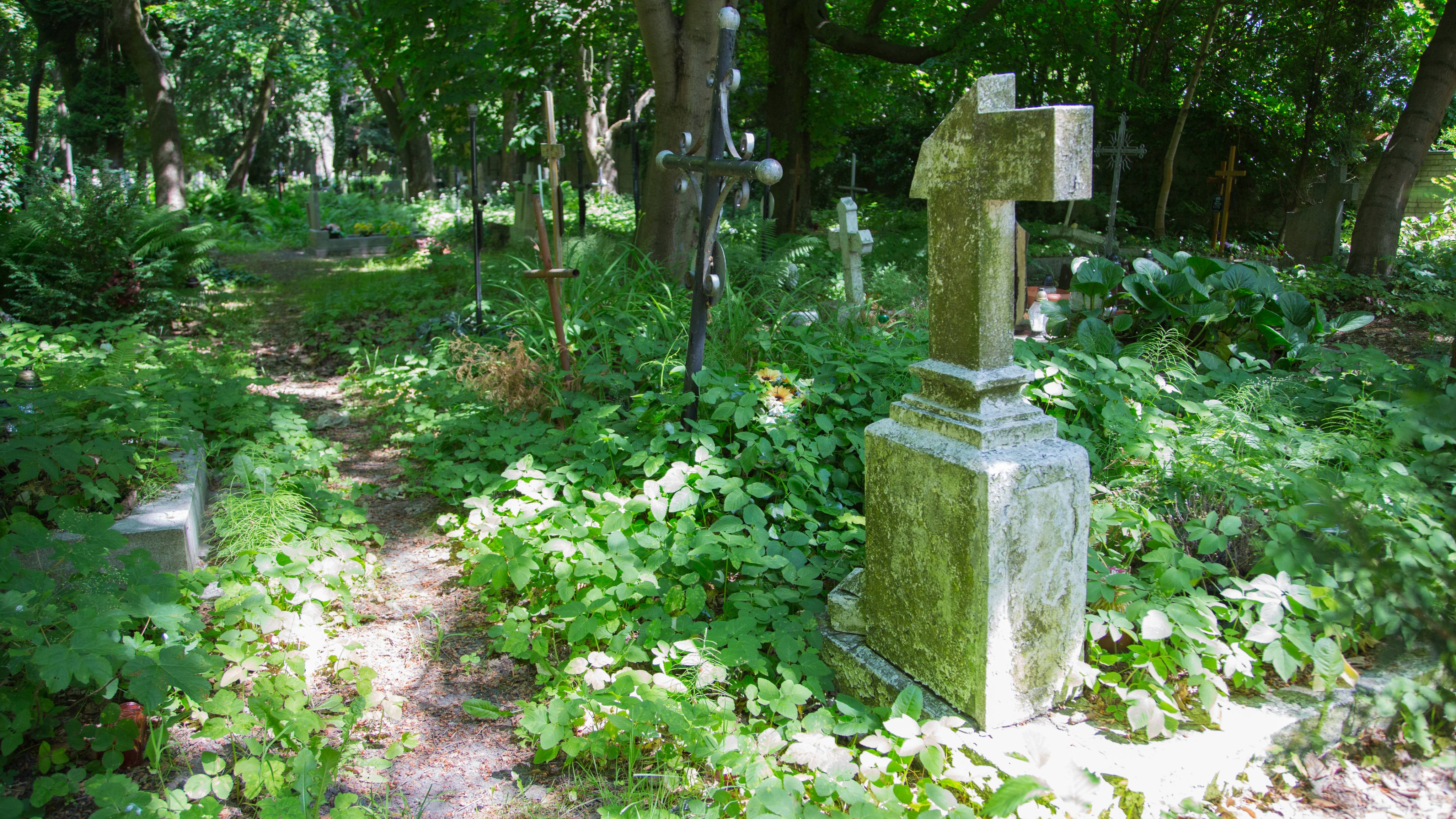
Until the outbreak of World War II, people of the Evangelical faith were buried in the cemetery; during the war, more than a dozen French prisoners of war were buried here; and after the war, a municipal cemetery was established here for the burial of Roman Catholics. Starting in 1946, German gravestones were systematically removed to make room for Poles; the last burials took place in 1971. The cemetery’s closure was due to high groundwater levels.
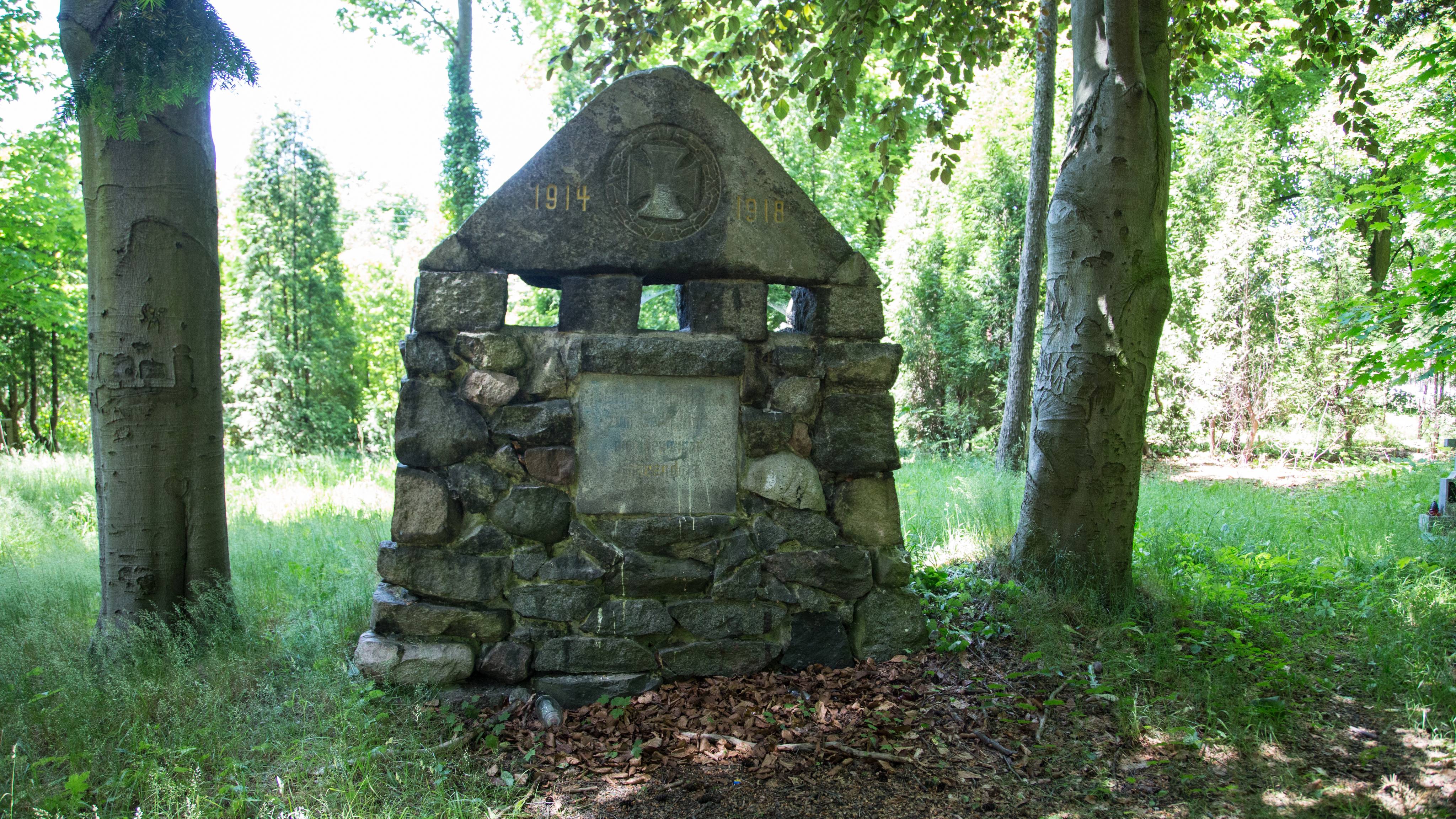
Within the cemetery grounds, several pre-war features can be found—including, in its southern part, a monument dedicated to the residents of the village who died during World War I. The monument bears the inscription “To our fallen heroes, the municipality of Golęcino.”
Along the main avenue stands the Steinbrück family tomb. On the tombstone is a sword adorned with oak leaves, symbolizing immortality. Buried here are Siegfried (1882–1915), Richard (1891–1916), Emil (1849–1933), Helena (1859–1898), Gerhard (1879–1905), and Harald (1913–1924). The names Rose and Ilse are also engraved on the tombstone—next to them appears only their date of birth (1889).
Some of the earliest Polish gravestones were made from former German slabs, from which the original inscriptions were scraped off and replaced with new, Polish ones.
The cemetery on Strzałowska Street was added to the provincial list of historical monuments in May 2011.