Routes and trips
 Map
Map MPR - cyclist-friendly places
 POI
POI Plan your trip
 Bike counters
 Publications
 News
News Route concept
 Contact
 War Cemetery
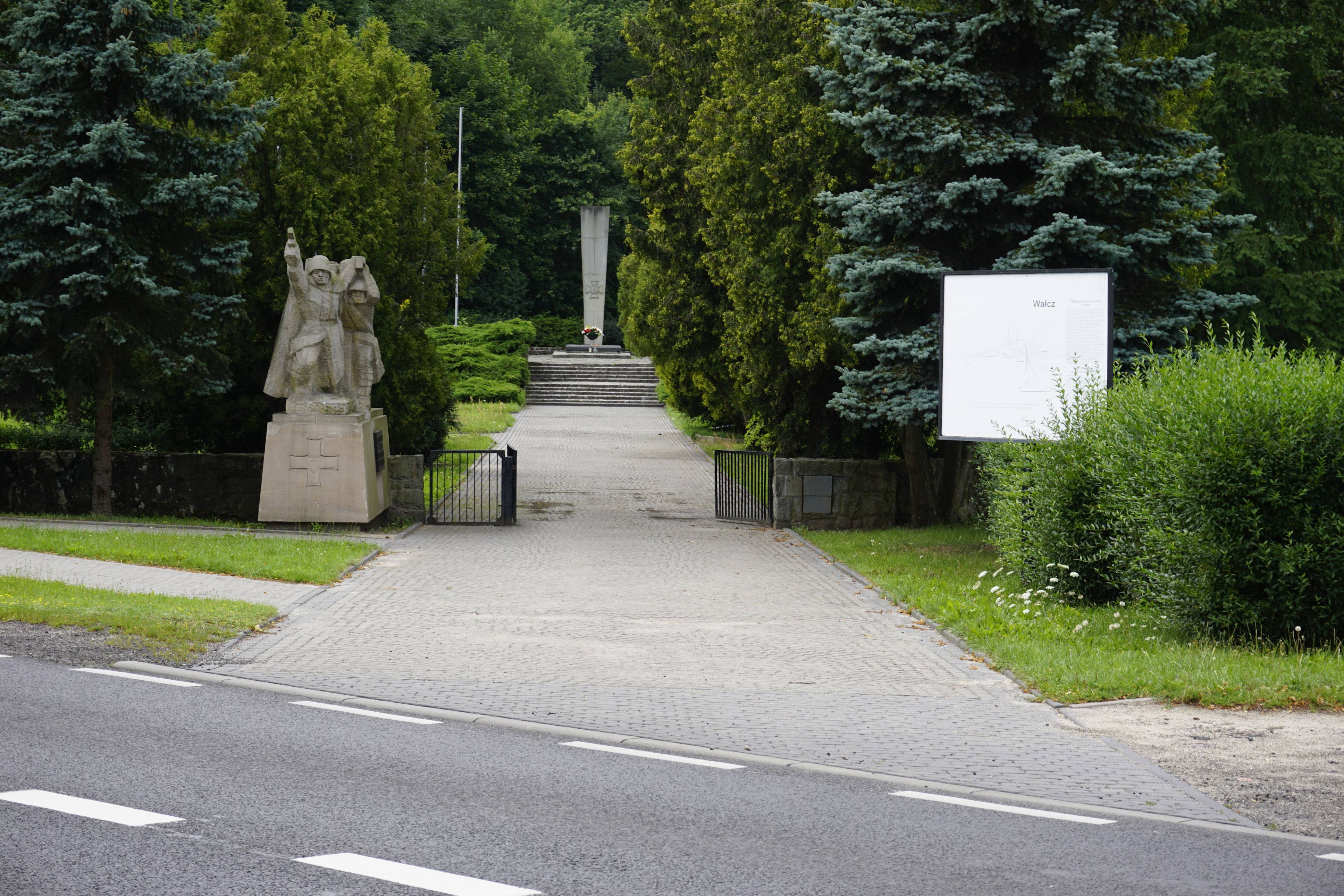
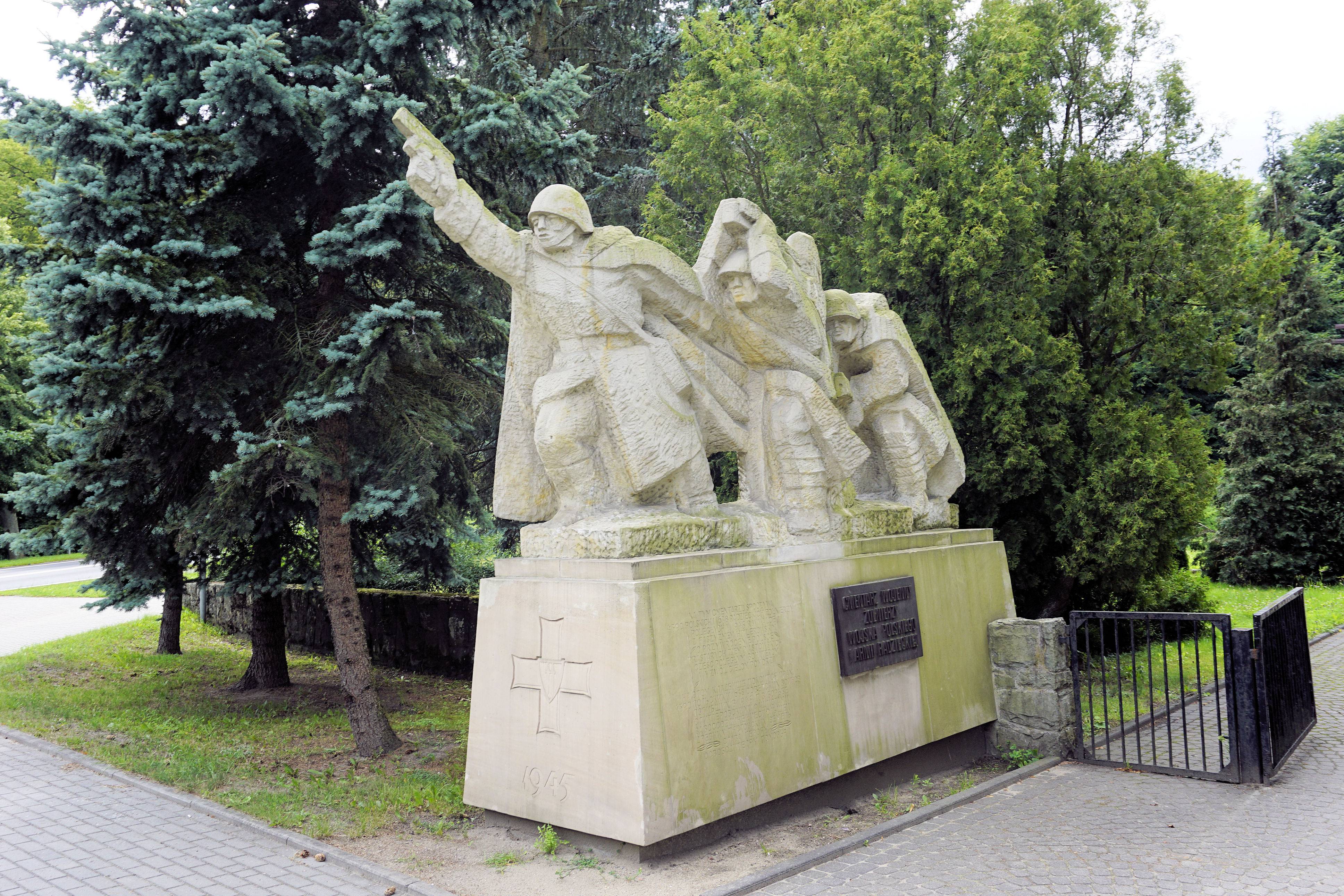
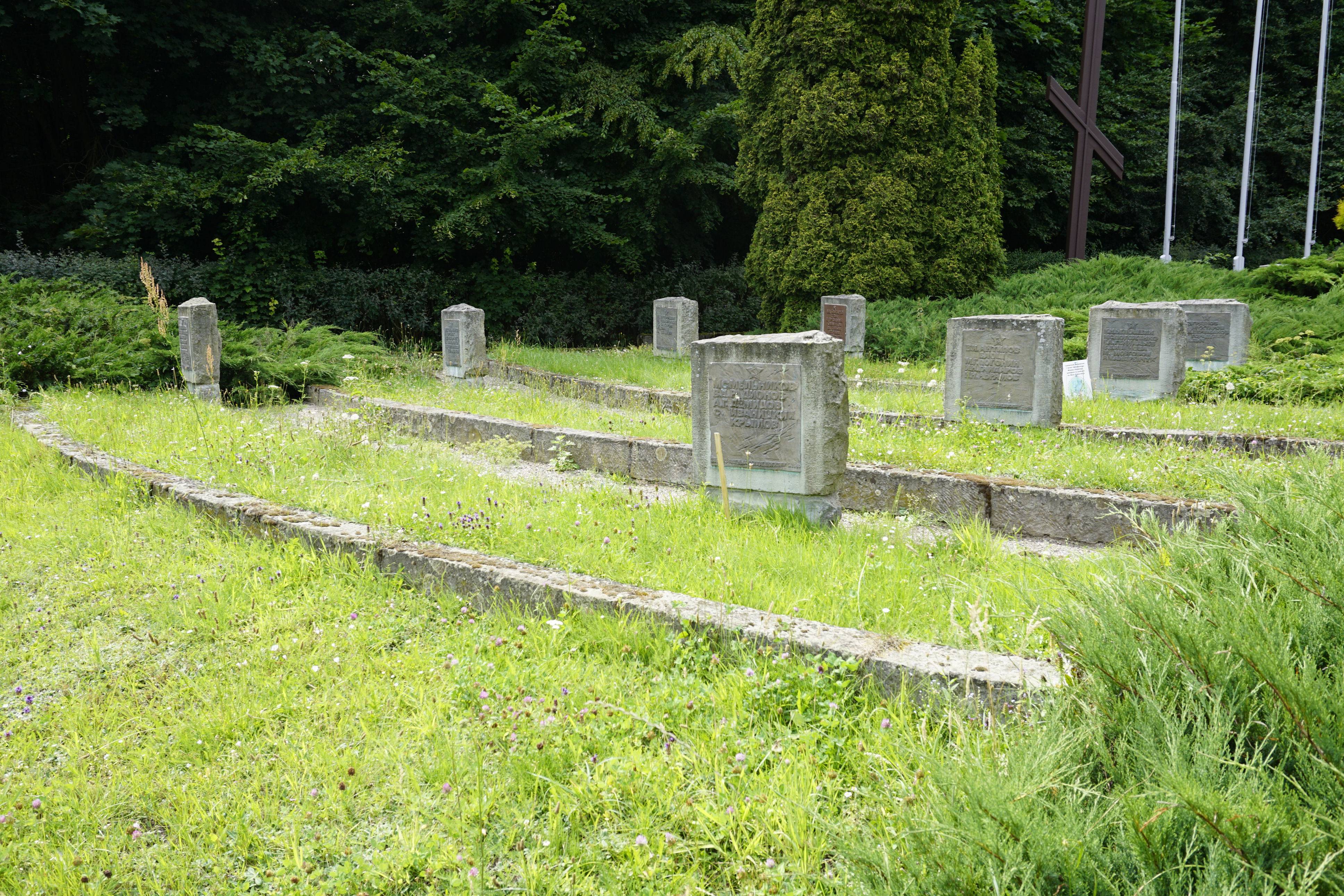
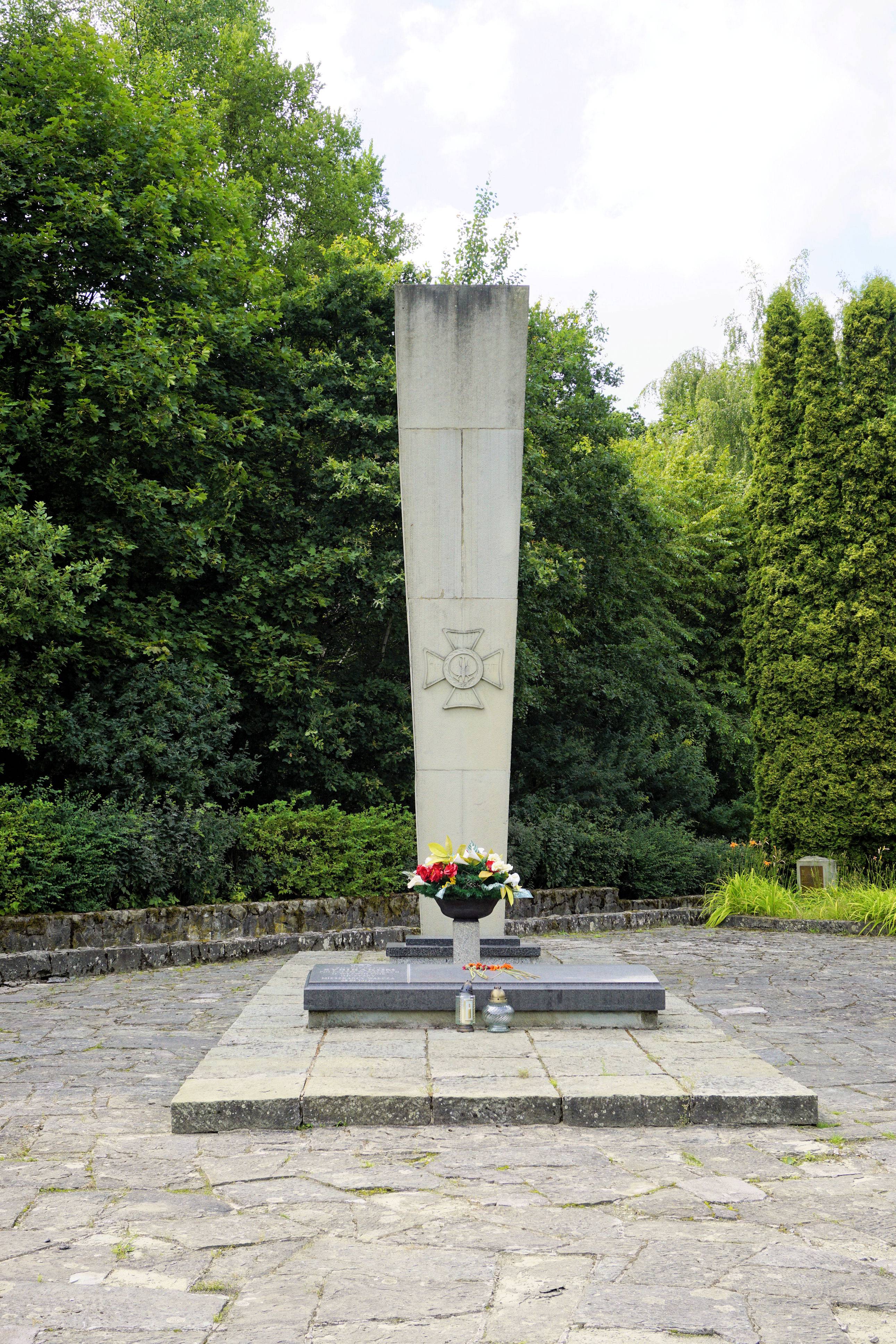
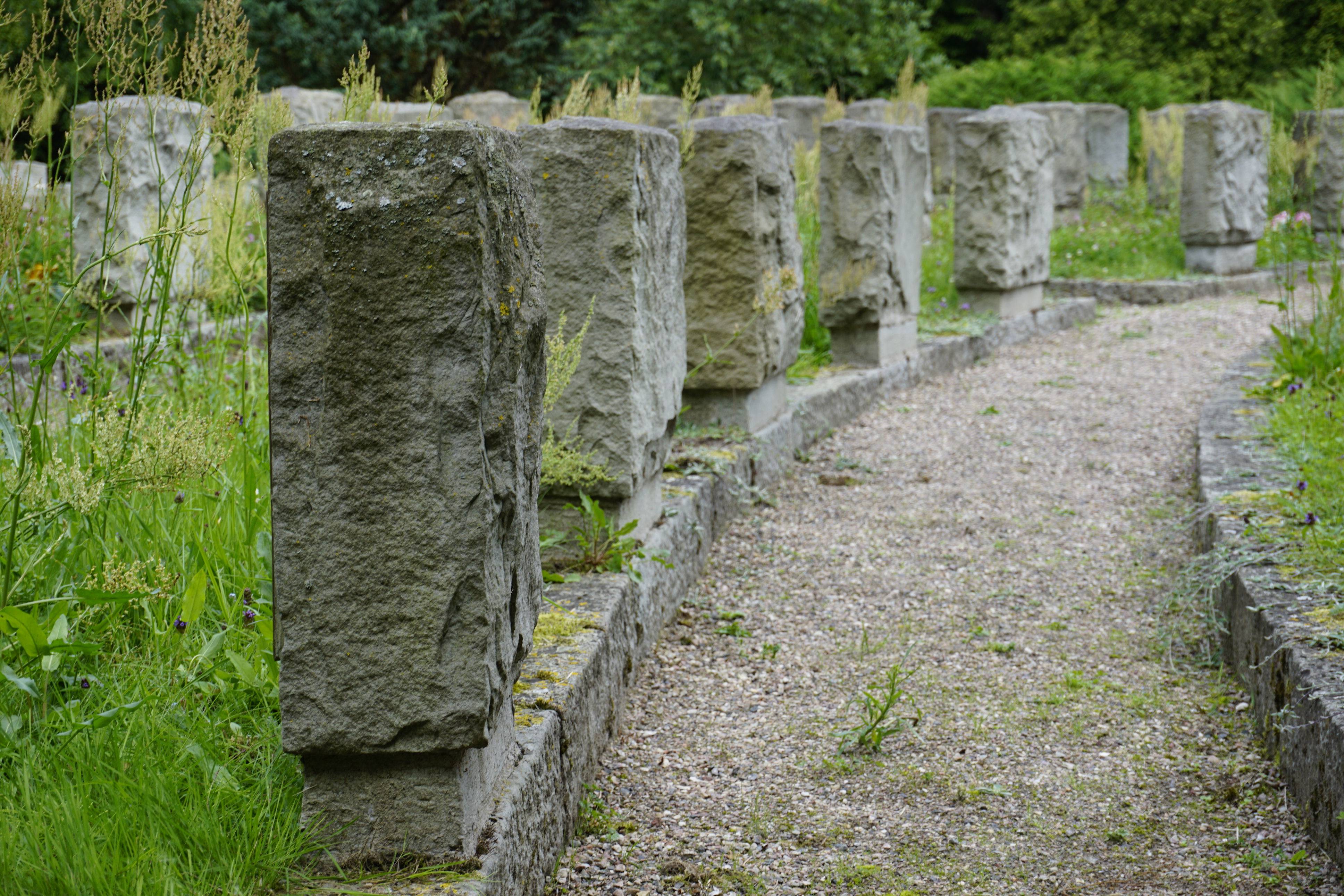
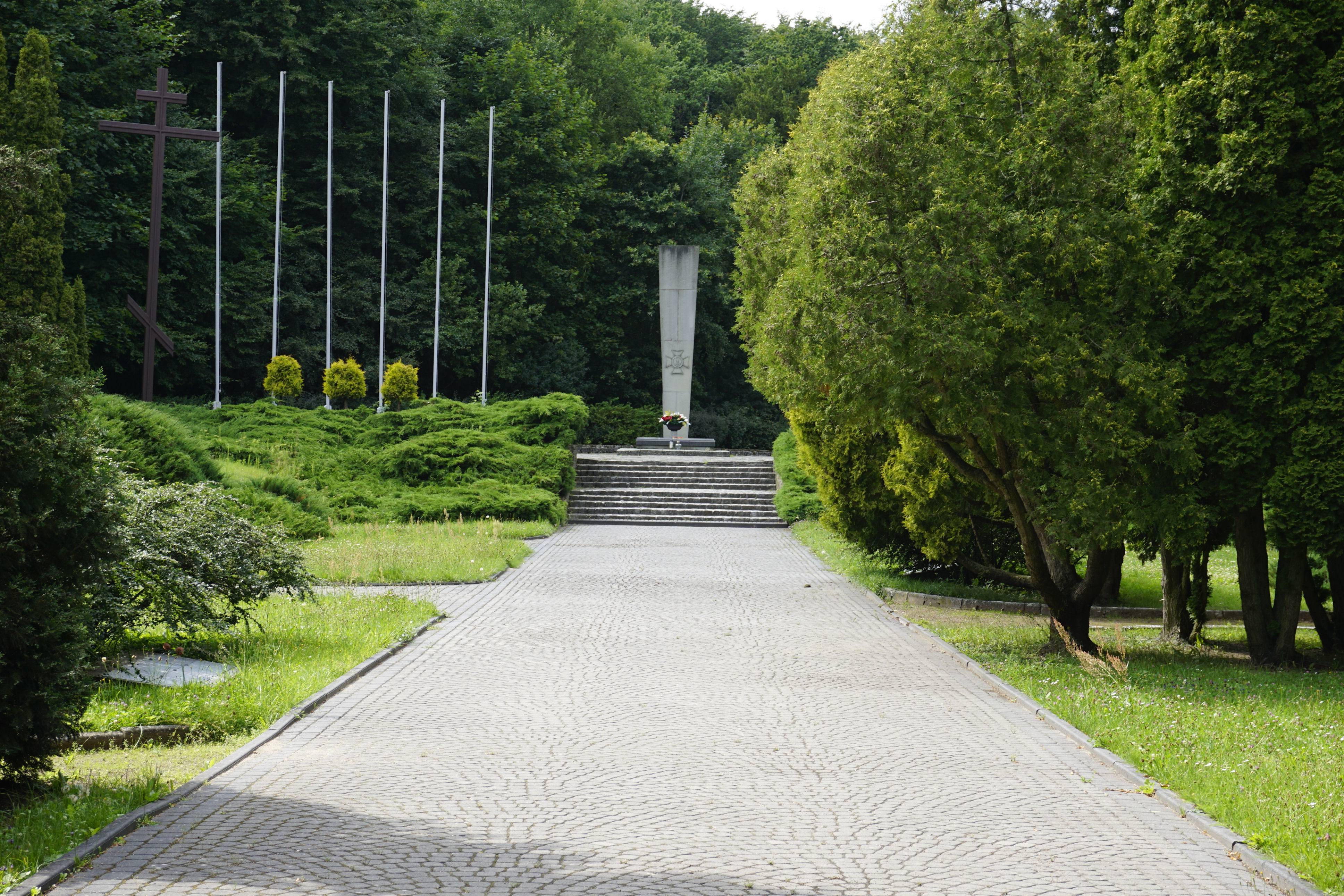
The war cemetery in Wałcz is one of the largest of its kind in Poland. The Wałcz city authorities decided to establish it in mid-1949, recognizing the need to gather in one place the Polish and Soviet soldiers who fell in the Wałcz County during World War II. It was therefore necessary to carry out exhumations at numerous sites throughout the region. The first exhumation took place on December 2, 1949, at what was then the Military Cemetery on Bohaterów Street (now Tysiąclecia Avenue). Subsequent exhumations were carried out in many other localities. Several dozen mass graves are arranged in an amphitheater-like formation over an area of 8,625m² around a raised platform featuring an obelisk. Two crosses—one Catholic and one Orthodox—have been erected nearby. The main slab contains urns filled with soil from the battlefields, while at the cemetery entrance stands a monument honoring the soldiers who fought to capture the Pomeranian Wall, designed by Edmund Majkowski and crafted by Bronisław Chromy—a well-known and highly regarded sculptor. The official opening of the War Cemetery took place on October 31, 1962, with the participation of civilian and military central authorities. On the 20th anniversary of the breach of the Pomeranian Wall’s fortifications, on February 14, 1965, central commemorative ceremonies were held here, attended by Polish Marshal Marian Spychalski, high-ranking officers of the Polish Army and the Soviet Army, as well as Bolesław Kieniewicz, who had arrived from the Soviet Union. Today, Wałcz’s traditions include ceremonies at the War Cemetery marking the anniversary of the outbreak of World War II, the anniversary of the breach of the Pomeranian Wall, and the anniversary of the end of World War II.
Officially, it is reported that 4,390 Polish and 1,638 Soviet soldiers who fell in 1945 are buried here; however, according to Marian Wiatr, who has been researching the history of this cemetery for years, there are significant discrepancies regarding the number of bodies interred there. Today, more than half a century after the cemetery’s establishment, it is impossible to determine the exact number of soldiers buried here. This is all the more so because the cemetery is the final resting place not only for soldiers who died in combat or in postwar accidents, but also for forced laborers and their family members who died in German captivity between 1939 –1944, and the gravestones bear the names of 230 Polish soldiers who are listed in the Book of the Fallen as missing in action.