Routes and trips
 Map
Map MPR - cyclist-friendly places
 POI
POI Plan your trip
 Bike counters
 Publications
 News
News Route concept
 Contact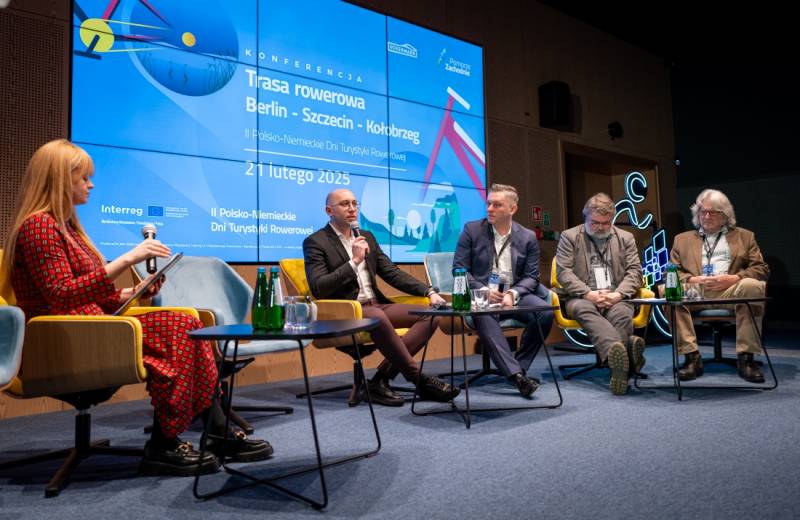
Cycling enthusiasts have been talking about the need to create a complete route covering this area for years.
"The local government of the West Pomeranian Province has been investing in cycling routes for over 10 years. Discussions about the Berlin-Szczecin-Kołobrzeg cycling loop have been going on for some time. This is a highly anticipated route. Traveling along it, we will see not only these three cities, but also places that are not so obvious. We are happy to be working with our German partners, because it is going well, as exemplified by the bicycle path on the Siekierki-Neurüdnitz bridge," saidAnna Bańkowska, Deputy Marshal of the Province.
The route has a total length of almost 800 km, including 515 km on the Polish side and over 270 km on the German side.
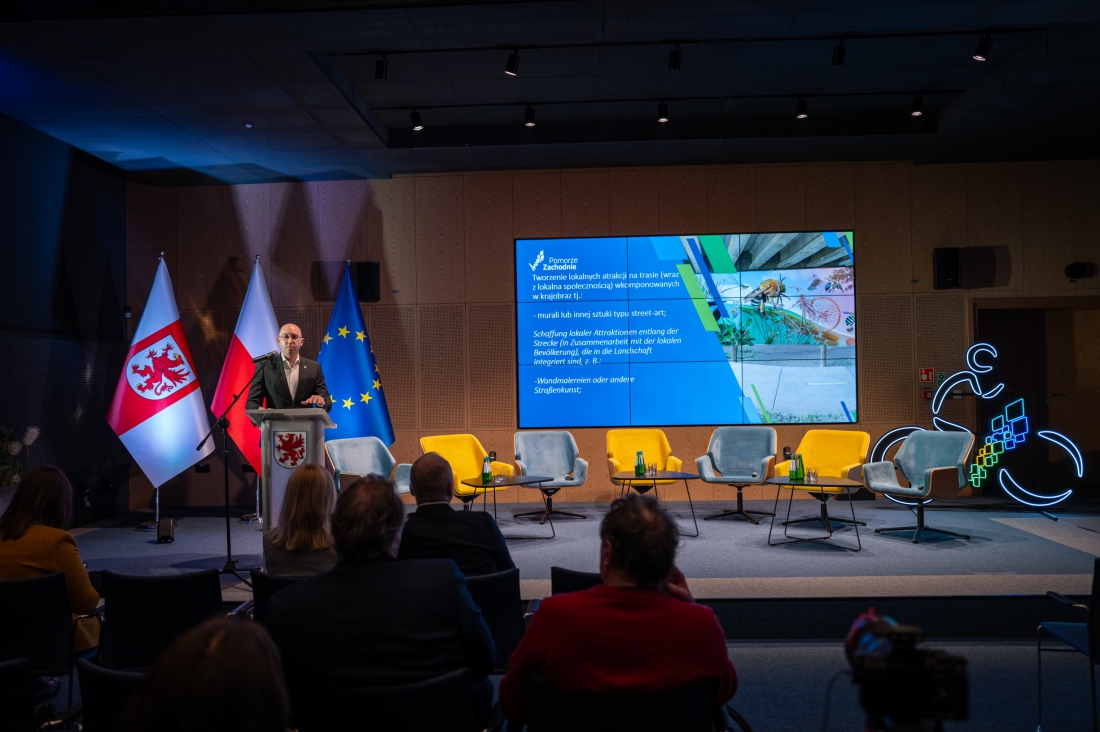
"Western Pomerania is unique, creative, and entrepreneurial, as evidenced by the construction of bicycle routes. We have been creating them since 2014. In the first stage, which is still ongoing, it is 1,100 kilometers. In the second stage, which began a few days ago, another 400 kilometers, including the Berlin-Szczecin-Kołobrzeg loop. We hope to complete it by the end of 2027," saidJakub Kowalik, Deputy Marshal of the Province. "Its first section, over 5 kilometers long, will be built on the Polish side in the municipality of Golczewo, and on the German side, a nearly 4-kilometer section will be built near Gartz. We will promote the entire charming route, which is about 700 kilometers long, through conferences, workshops, rallies, and the Western Pomerania cycling app, which already has over 50,000 active users. In addition, we want to create cyclist-friendly places along this infrastructure. We plan to enrich it with murals, street art, and artistic installations. It is certainly worth it, as the number of cyclists continues to grow. In 2024, counters set up on West Pomeranian bicycle routes showed 1.8 million users, he added.
The route, which will connect the capital of Western Pomerania, the capital of Germany, and a popular Baltic resort, will take the form of a loop. The connection between Berlin and Szczecin, and then Kołobrzeg, has great potential. Most of the infrastructure is already in place, and the missing sections will be completed as part of the project.
"This is a valuable initiative because it allows us to maintain our cooperation. In the early 2000s, we collaborated with Kołobrzeg and discussed the Via Pomerania cycle path leading from Eberswalde to Kołobrzeg. This idea fell on fertile ground and is developing. I expect many benefits, because if someone chooses this route starting from Berlin, they will book accommodation in our district and spend time visiting historical sites," said Dr. Wilhelm Benfer, representing the Barnim district. "This loop is an opportunity to showcase the charms of our rural community, to improve and create new, better infrastructure, which will increase our attractiveness and bring economic benefits," added Christaine Baatz from the Uckermark district.
Currently, the route on the German side is as follows: Berlin - Berlin-Usedom cycle path to Angermünde - Uckermärkischer Radrundweg to Stolpe - Oder-Neisse cycle path to Staffelde - green border to the border crossing - then by road to Szczecin. On the Polish side, part of route 800 leads from Pargowo through Szczecin to Kołobrzeg. Part of route 801 leads from Kołobrzeg through Złocieniec to Siekierki.
"I am glad that the municipality of Golczewo is part of this project. Thanks to the investment, we will gain easier access to the sea, because the path will lead to Kołobrzeg. For us, this may mean opening up to tourists, as additional tourist facilities, accommodation, and services will be created," arguedMaciej Zieliński, mayor of Golczewo.
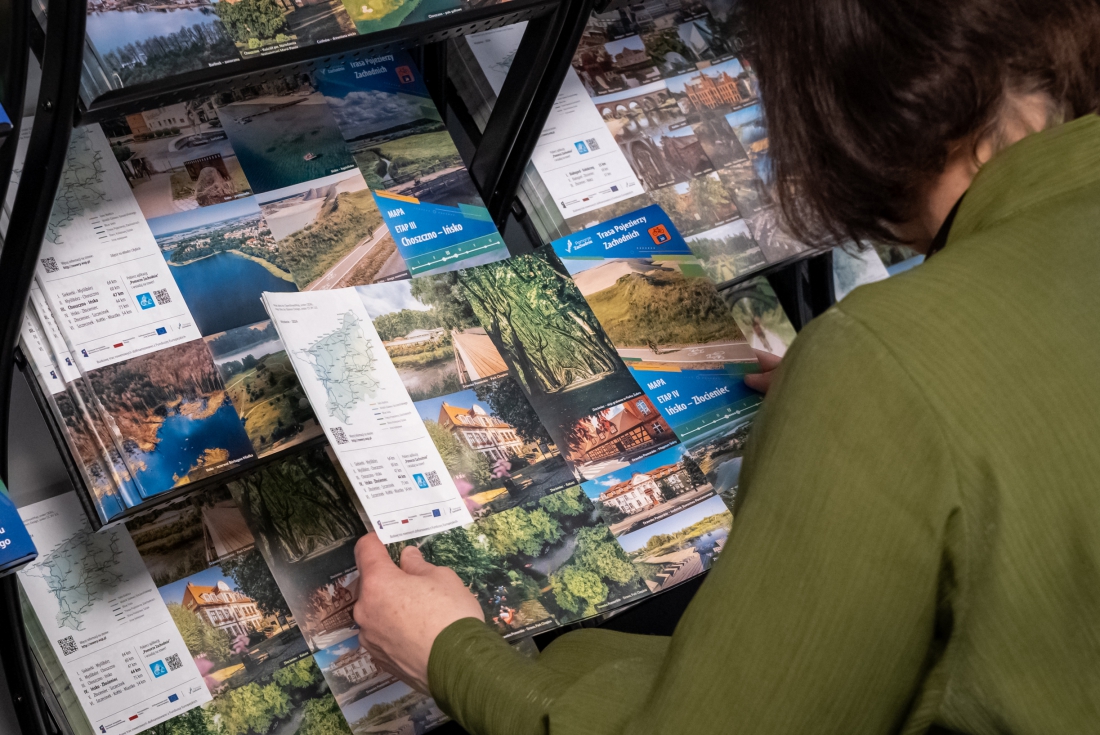
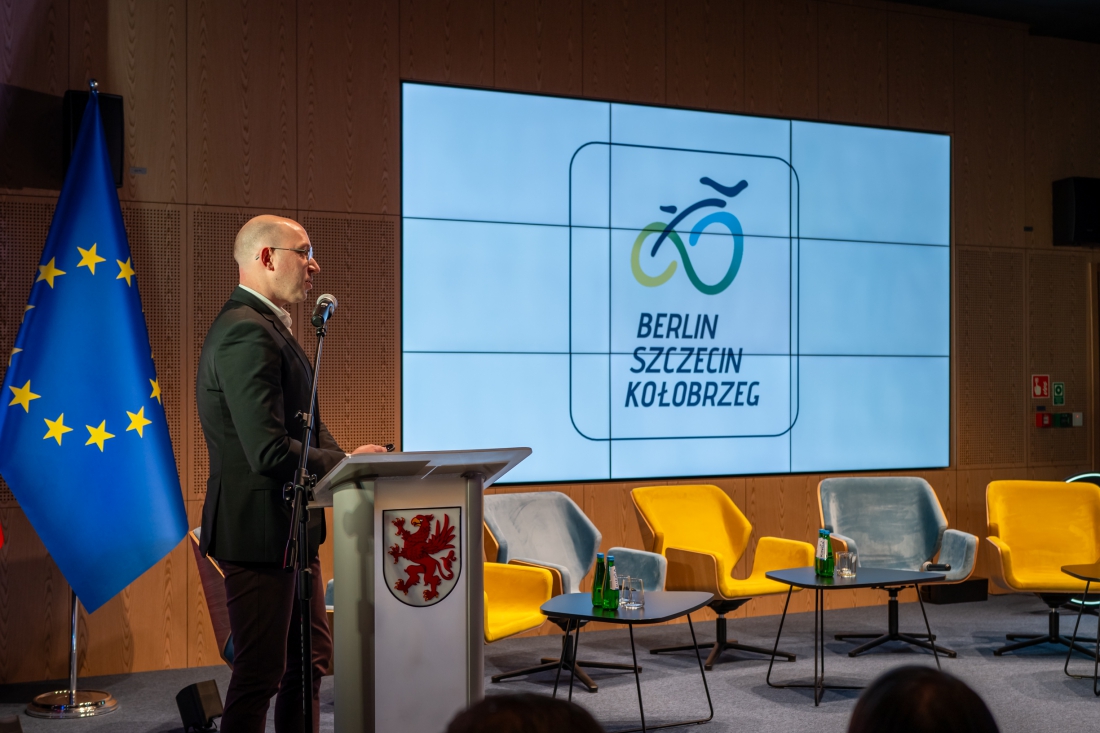
From the very beginning, the partners focused on a common logo, marking and naming sections of the route, carrying out investment activities on the Polish and German sides, and creating joint information promoting the route and appropriate maps.
An unquestionable advantage of the project is the integration of residents of cross-border areas, and increasing the number of tourists on the route will contribute to economic development and increase the attractiveness of the entire region, thus having a direct impact on local communities. Entrepreneurs will be able to develop and set up tourism-related businesses, and local governments will expand their tourist offer.
The route design was prepared by the Marshal's Office of the West Pomeranian Province in cooperation with the Landkreis Uckermark. The investment has already received almost €5 million in funding from the INTERREG VI A Mecklenburg-Western Pomerania/Brandenburg/Poland 2021-2027 program. Western Pomerania will receive nearly €2.5 million. The estimated cost of the missing section on the Polish side will amount to PLN 135 million (the Stepnica-Skrzydłowo section near Rymanów). As part of the entire project, 103 km of new bicycle paths will be built on the Berlin-Szczecin-Kołobrzeg route.
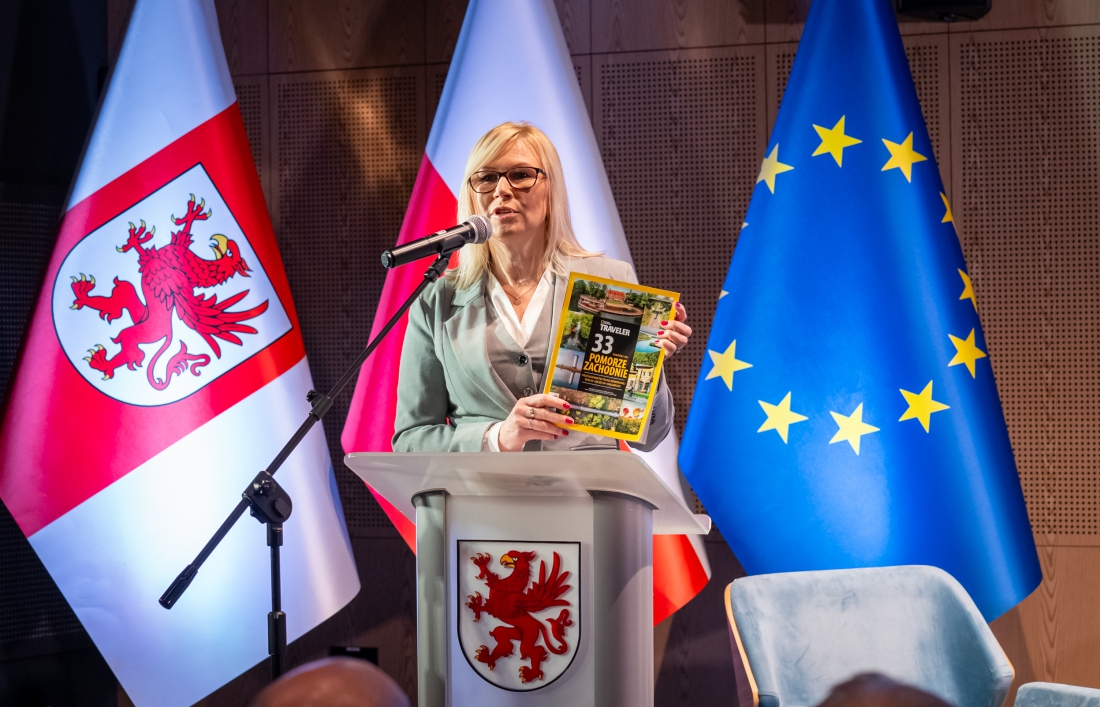
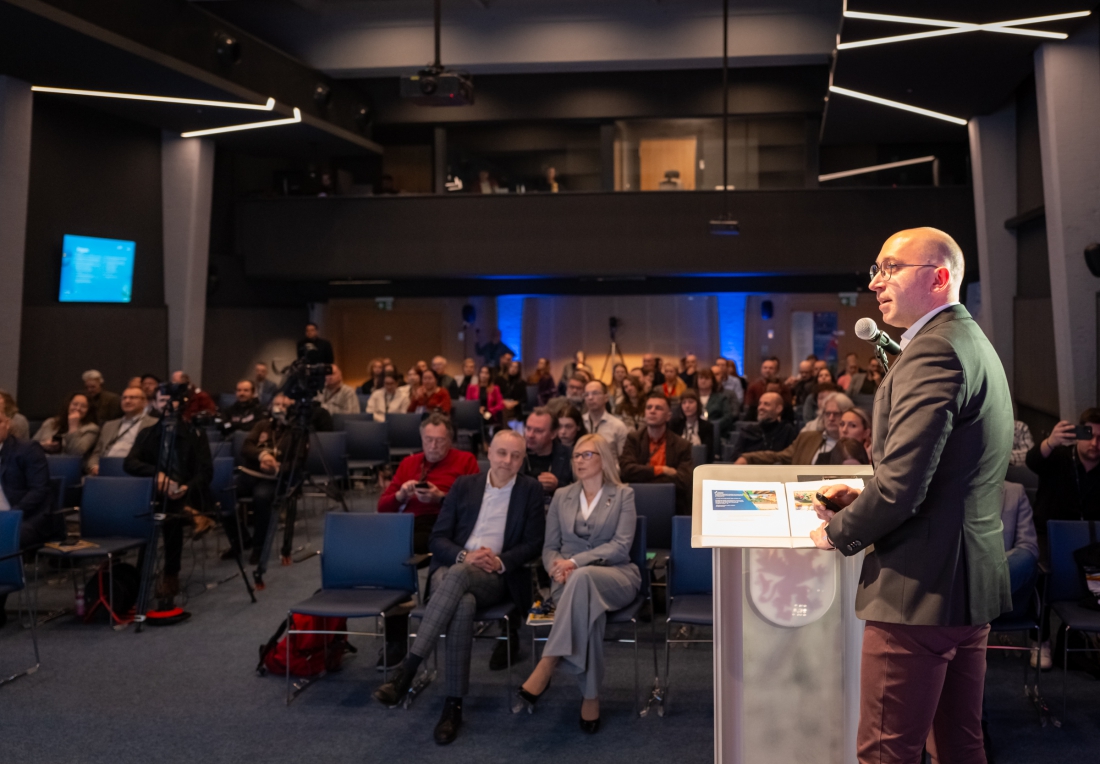
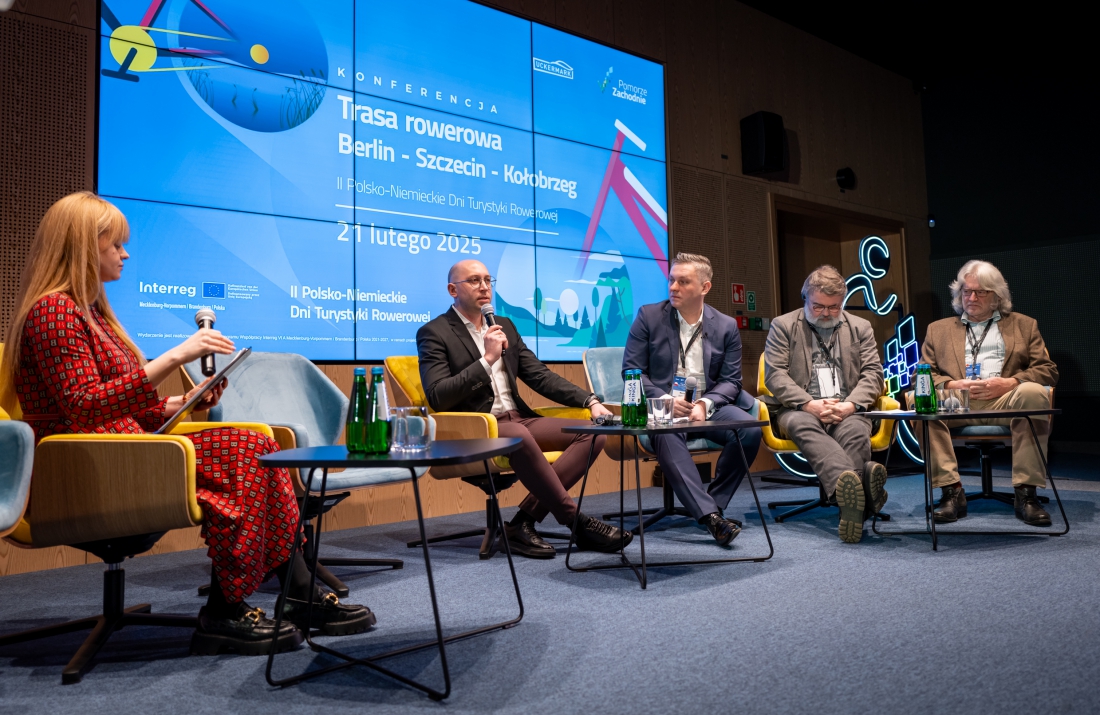
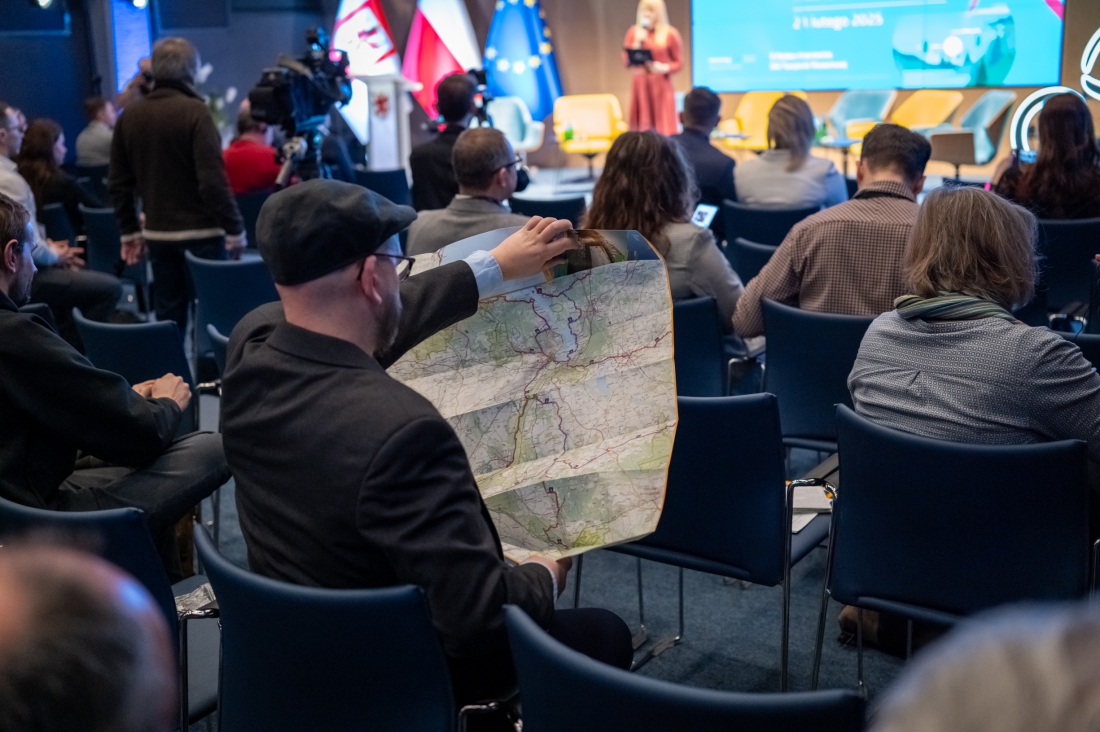
The conference was attended by representatives of local and central government, entrepreneurs, and members of non-governmental organizations involved in cycling and tourism. The meeting officially launched the "Berlin-Szczecin-Kołobrzeg Cycle Route" project. Landkreis Märkisch-Oderland, TMB Tourismus-Marketing Brandenburg GmbH, the municipality of Golczewo, and Landkreis Barnim will join the project as associated partners. Friday's event was also part of the "2nd Polish-German Tourism Days." During the event, not only was the Berlin-Szczecin-Kołobrzeg route project discussed, but also the potential of cross-border tourism products, the challenges facing tourism for people with disabilities, and how to attract tourists to bicycle routes.