Routes and trips
 Map
Map MPR - cyclist-friendly places
 POI
POI Plan your trip
 Bike counters
 Publications
 News
News Route concept
 Contact
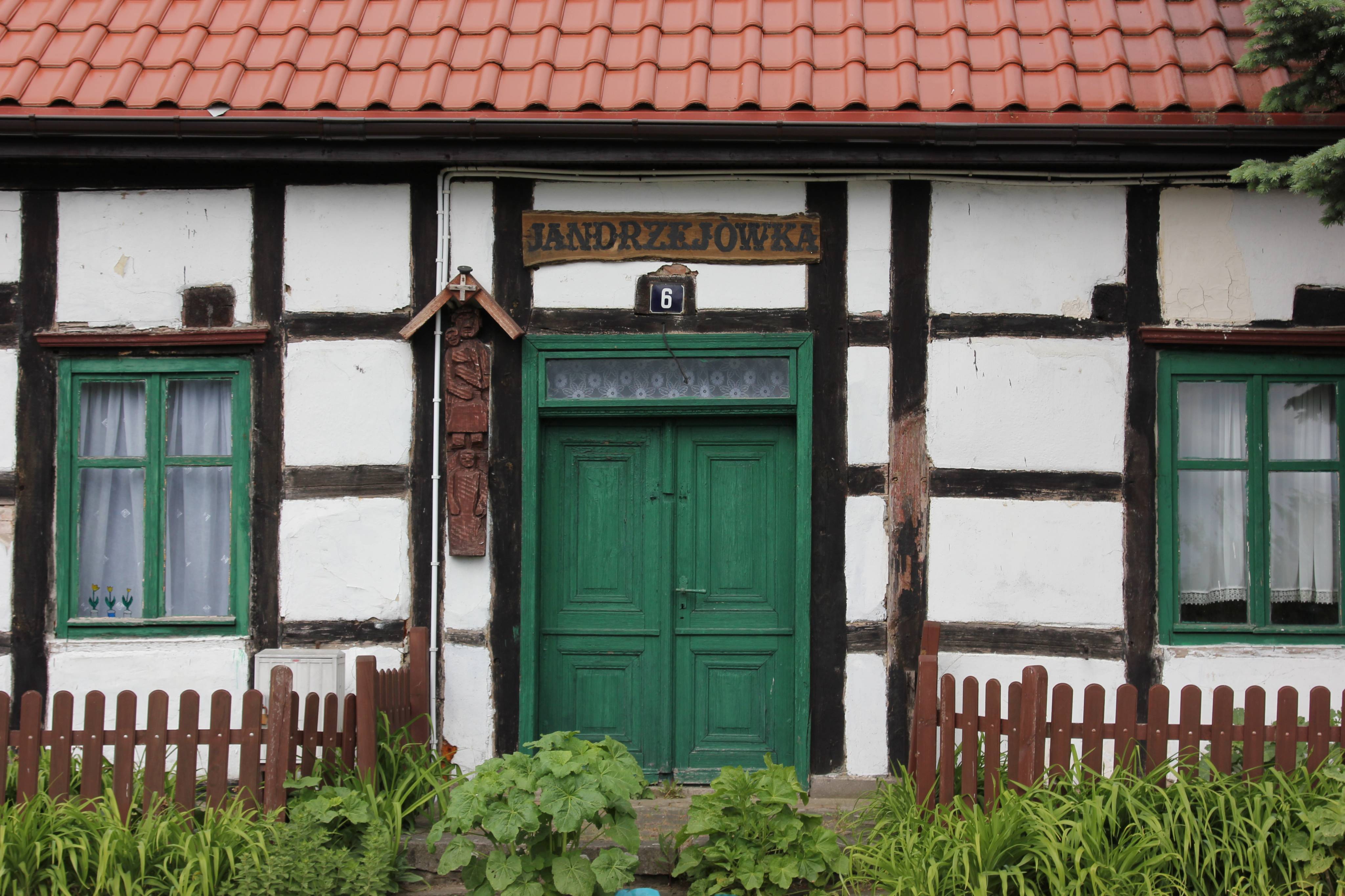
 Cottage No. 6
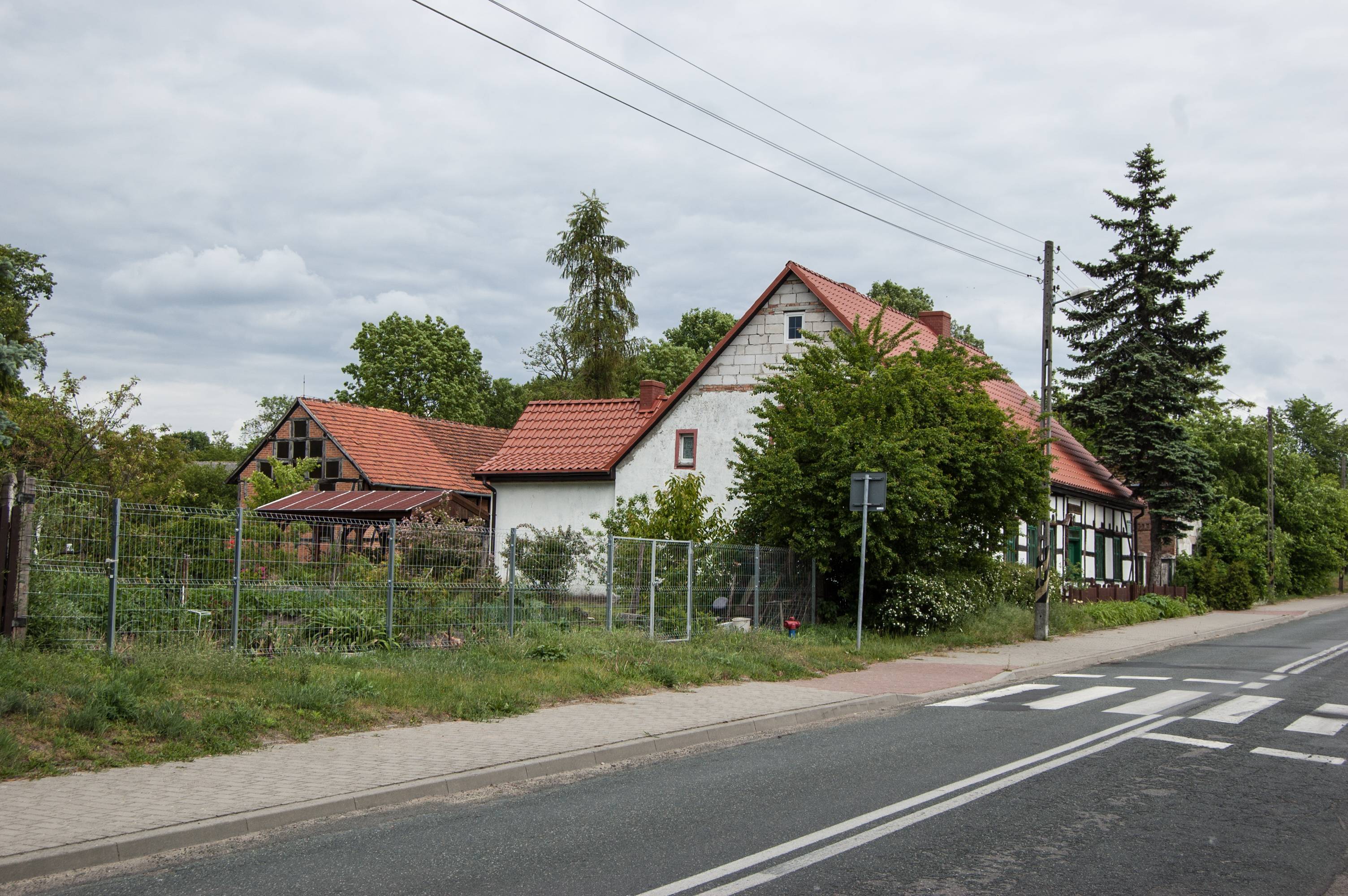
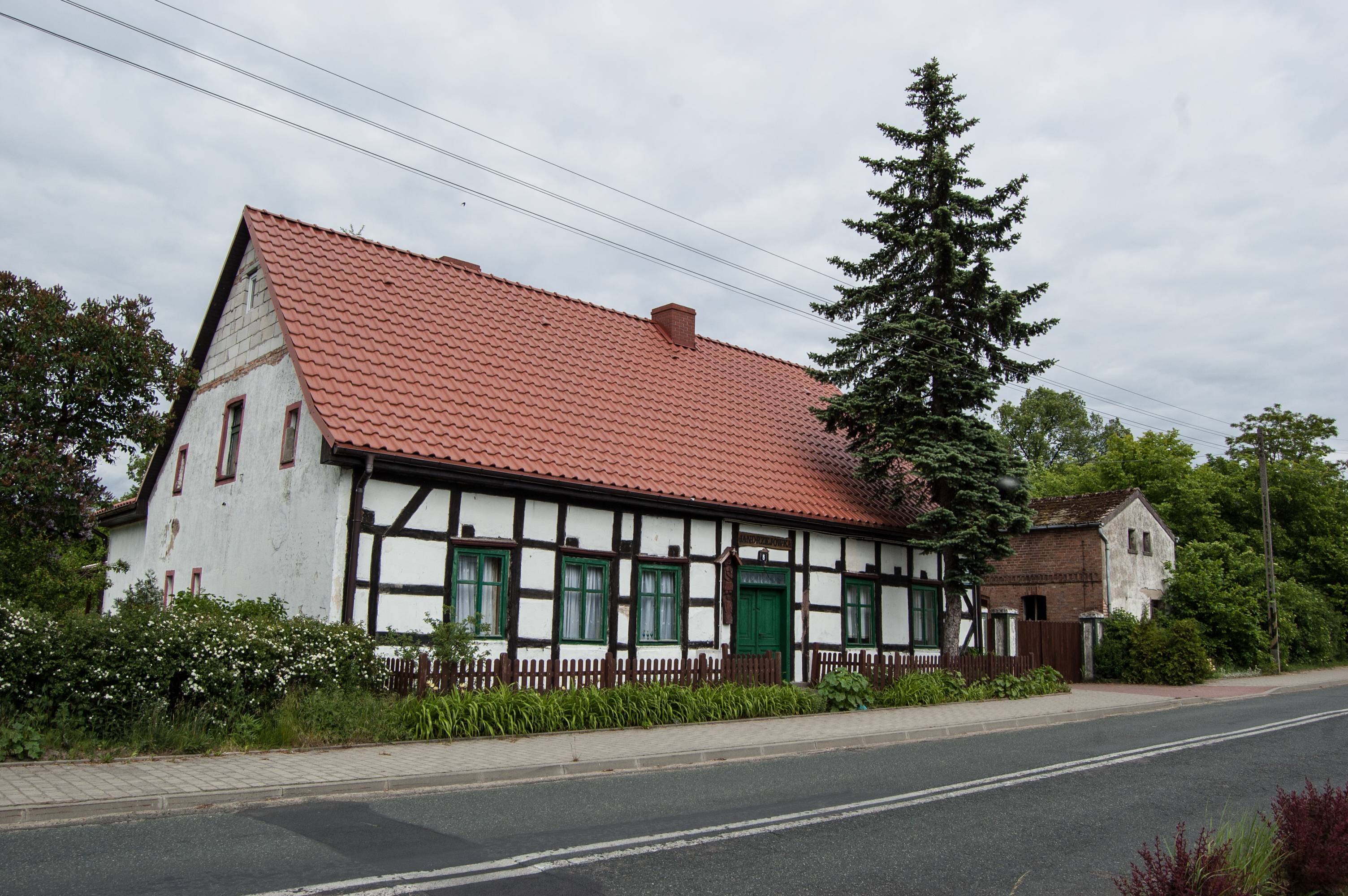
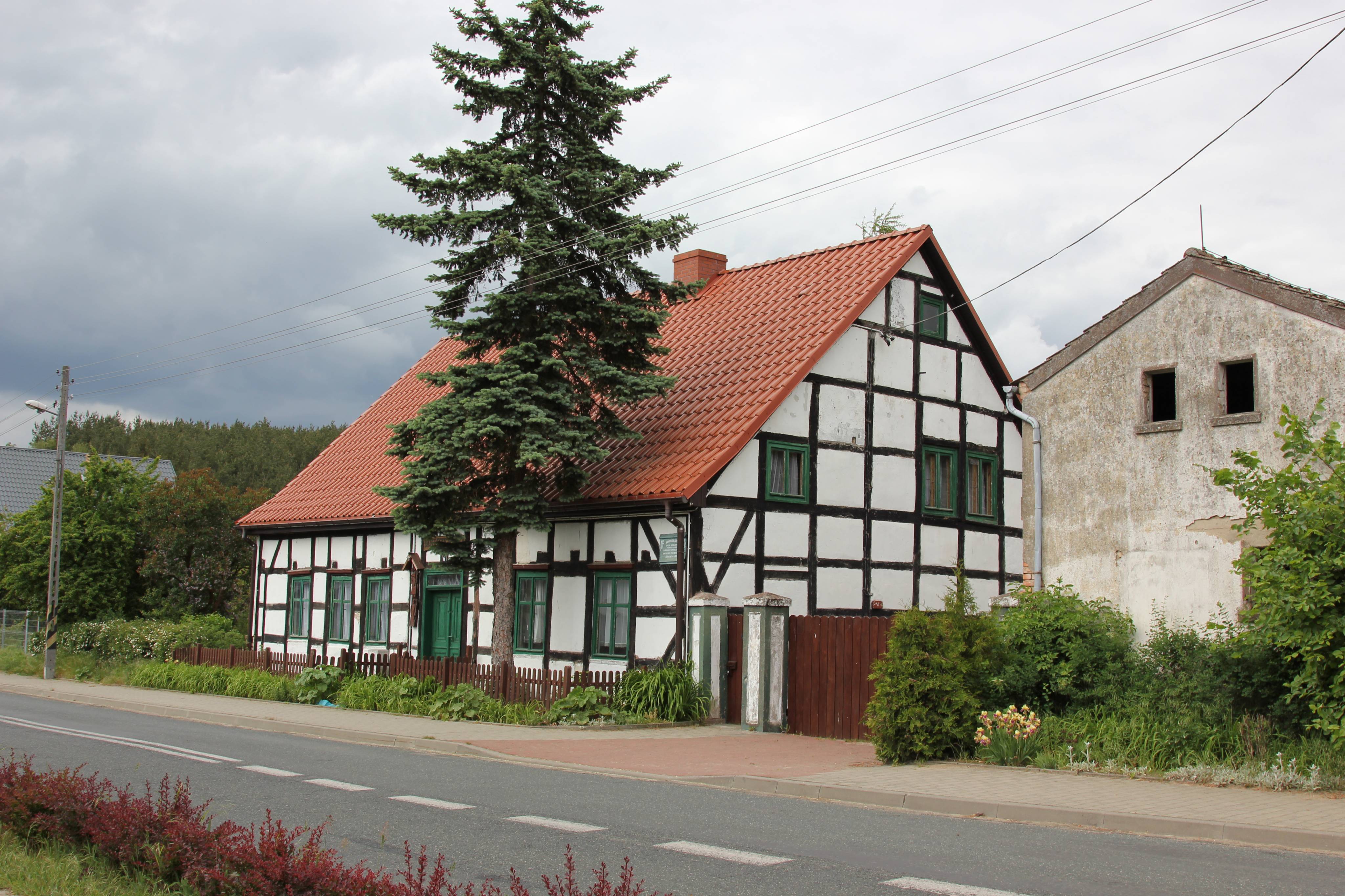
 The first records of the village date back to 1335, when a mill owned by Nicolaus Albus is mentioned. Today, there are two historic buildings in Łysogórki. The first of these, listed as Farmstead No. 6 on the register of historic monuments, was built in the mid-19th century.
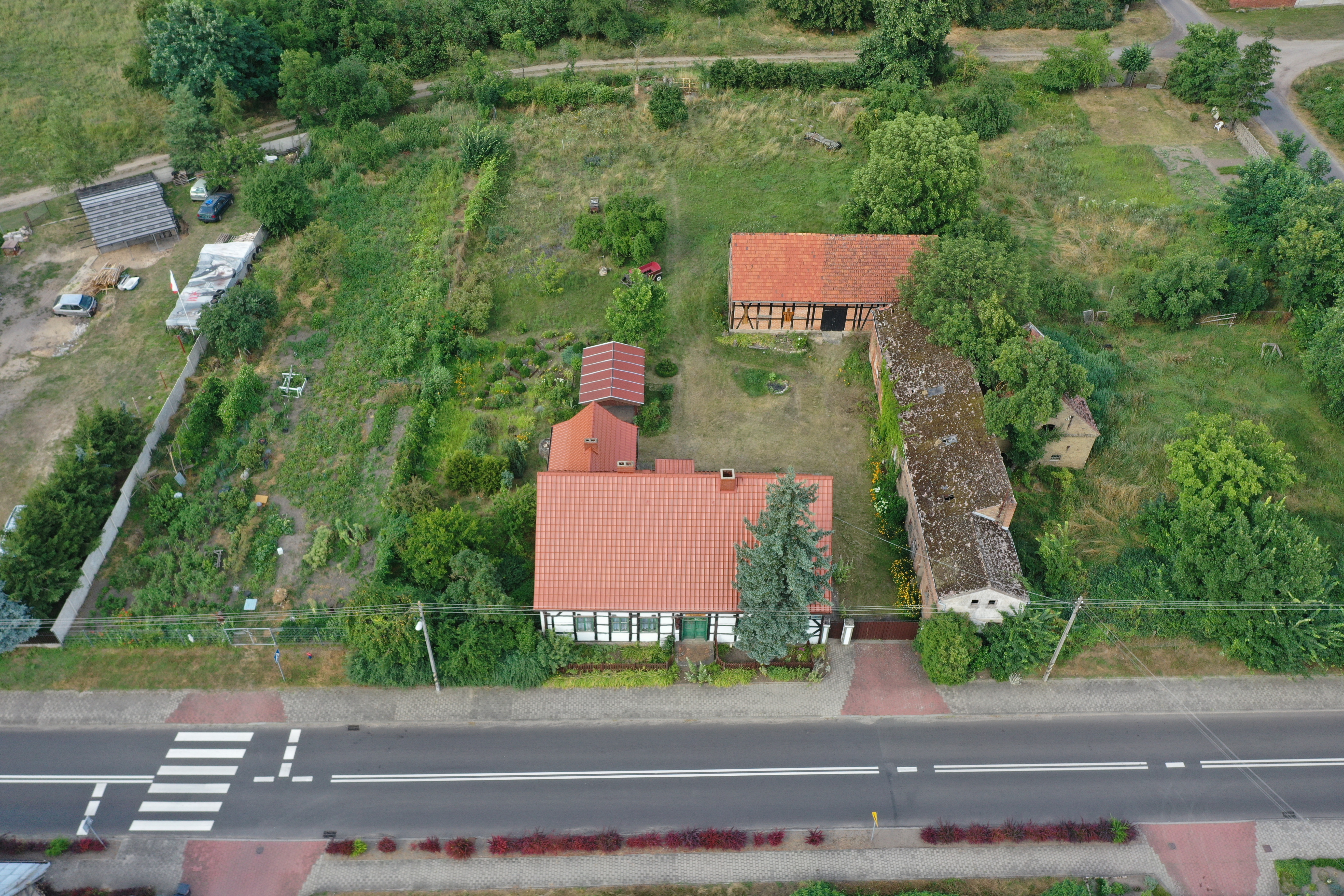
The structure rests on fieldstone foundations; its half-timbered walls, filled with brick, have been plastered and whitewashed. The structural framework was most likely made of oak. The building is a single-story, wide-fronted structure. Inside, there are seven rooms. It is unknown who designed the cottage or who commissioned its construction. The nature of the building suggests that it was inhabited by a peasant family with a medium- or full-scale farm. After World War II, the building was inhabited by a Polish family until the late 1960s. The building then stood unused for about 20 years; it was not until 1989 that the cottage was purchased by the “Infant Jesus” Family Home Foundation for Mentally Disabled Orphans, initially with plans to establish a summer camp there.
The building’s volume is 690 cubic meters, and its usable area is 160 square meters. The farmstead also includes a barn. The farmstead was added to the list of historic monuments in November 1991.