Routes and trips
 Map
Map MPR - cyclist-friendly places
 POI
POI Plan your trip
 Bike counters
 Publications
 News
News Route concept
 Contact
 Western Lake Districts Route - Stage II [Myslibórz - Choszczno]
 Stage II: Myślibórz – Barlinek – Choszczno [60 km]
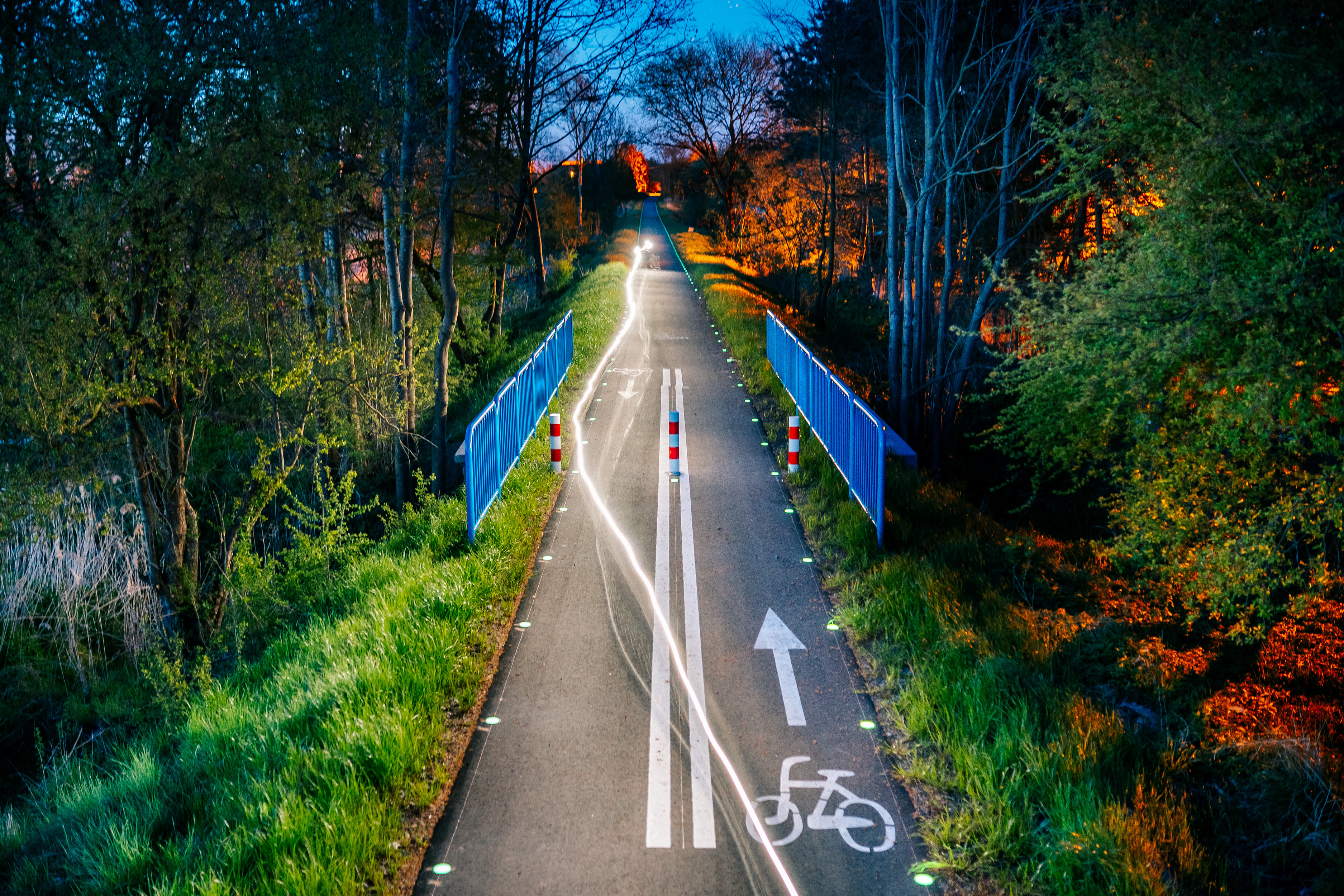
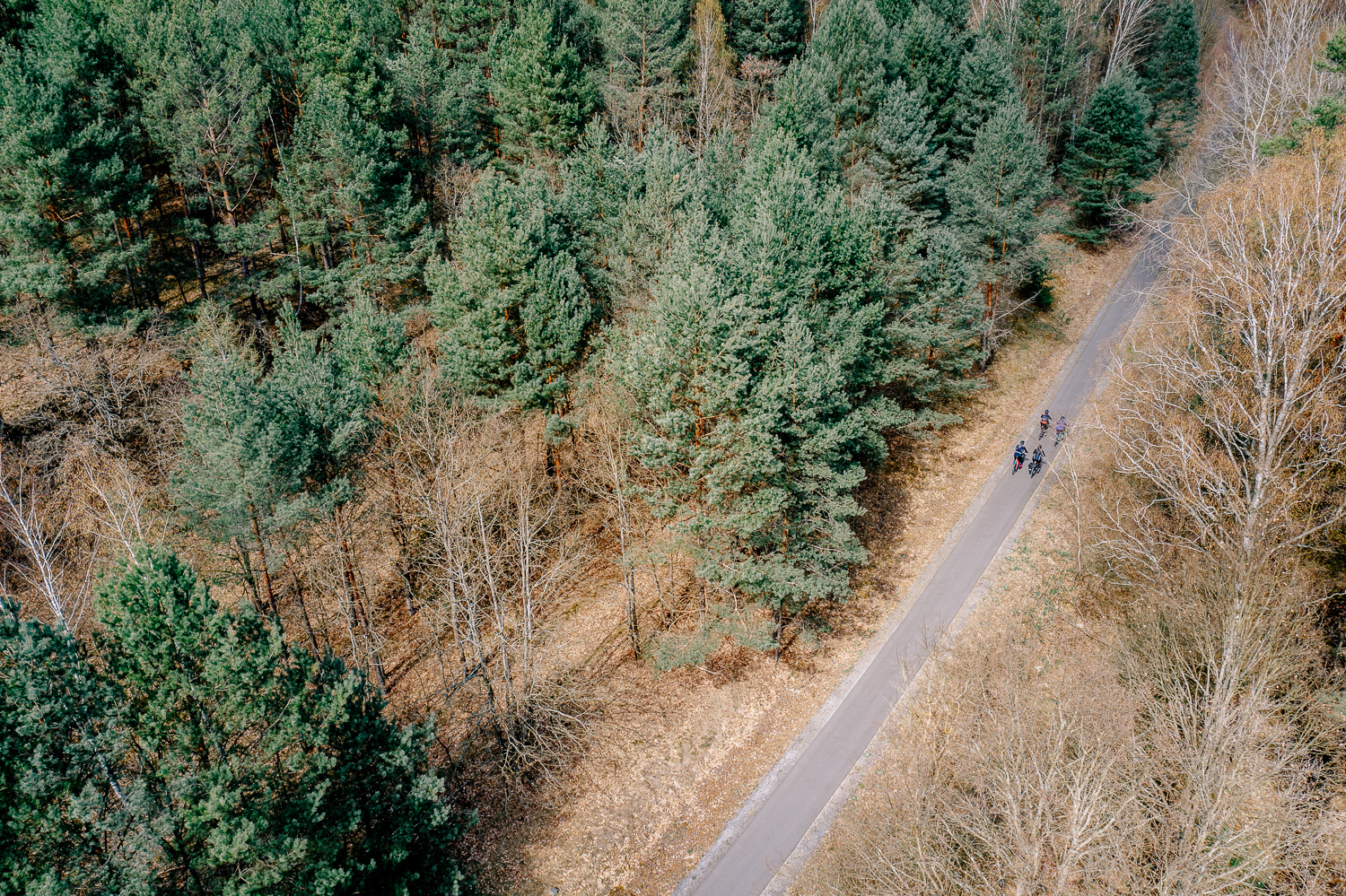
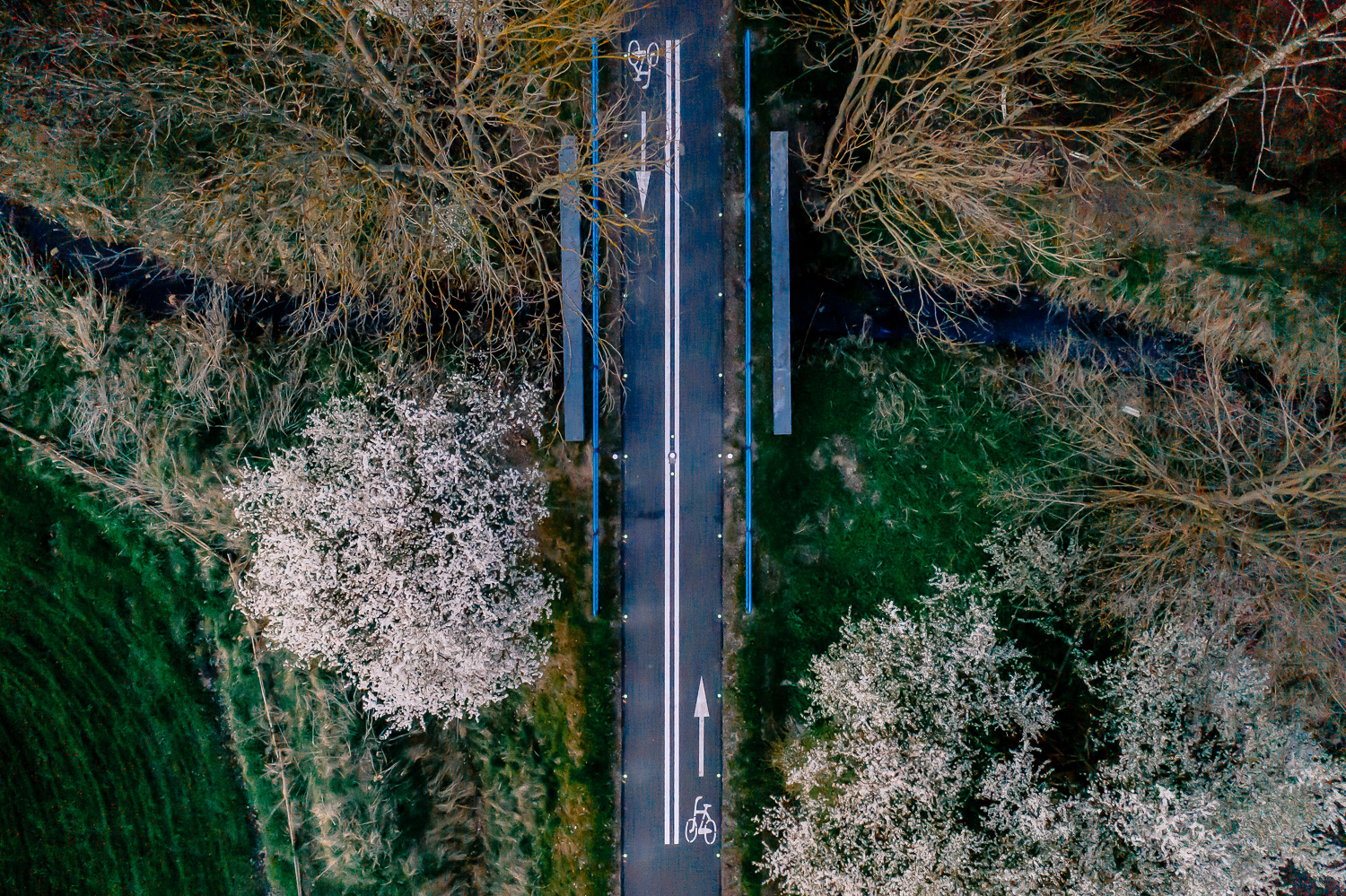
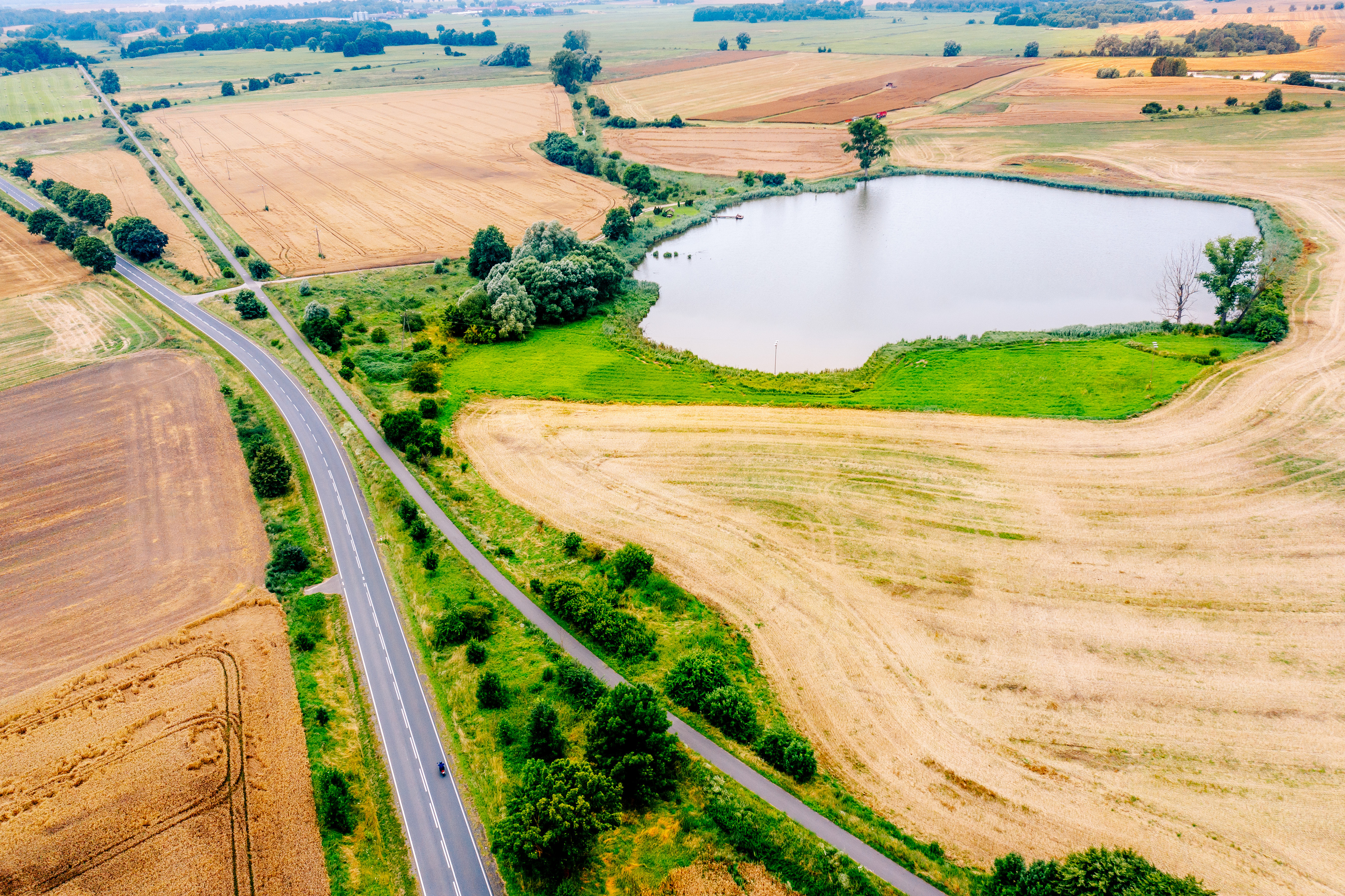
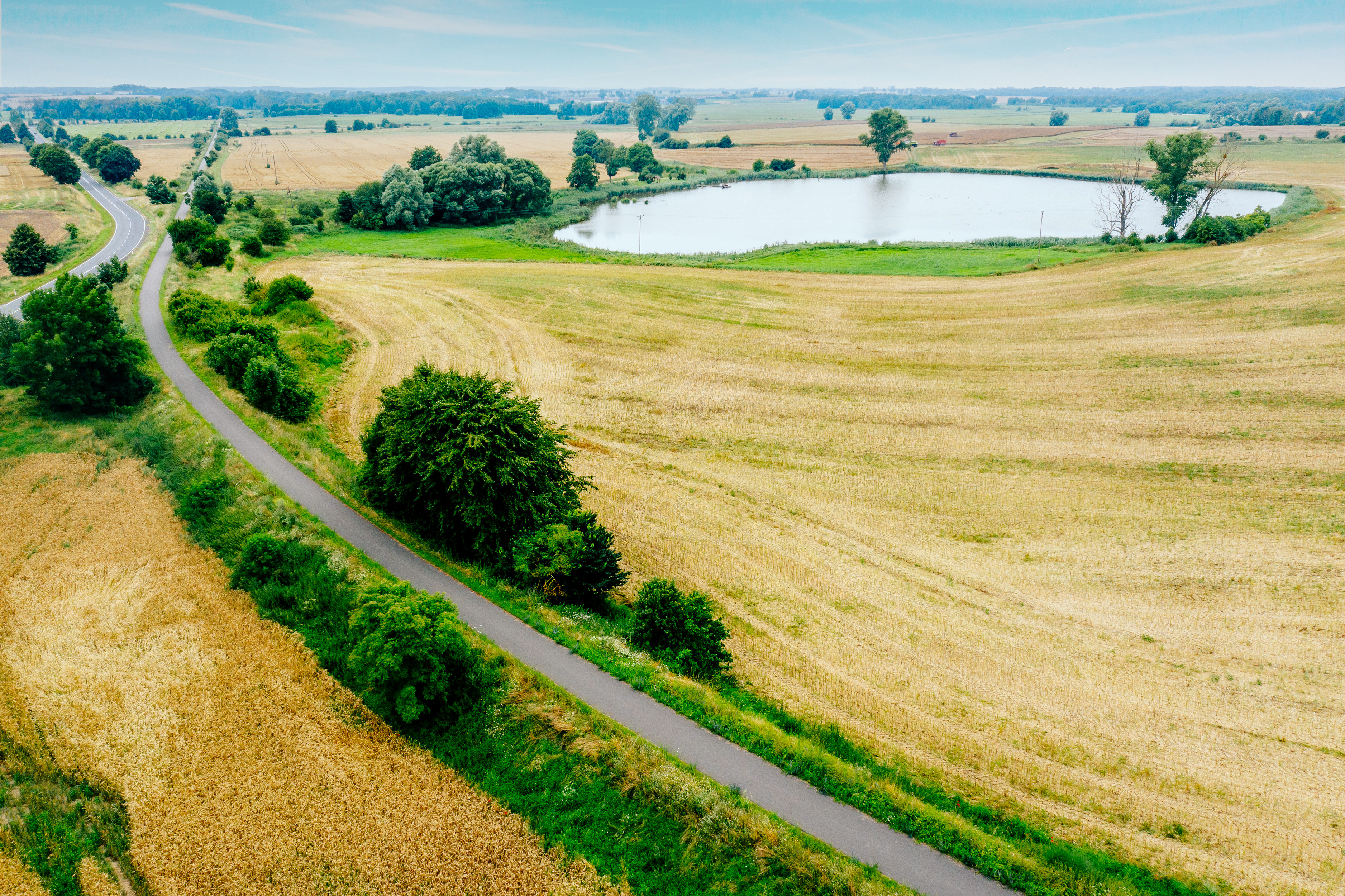
Stage completed in its entirety. Most of the route runs along asphalt bicycle paths built on former railway tracks.
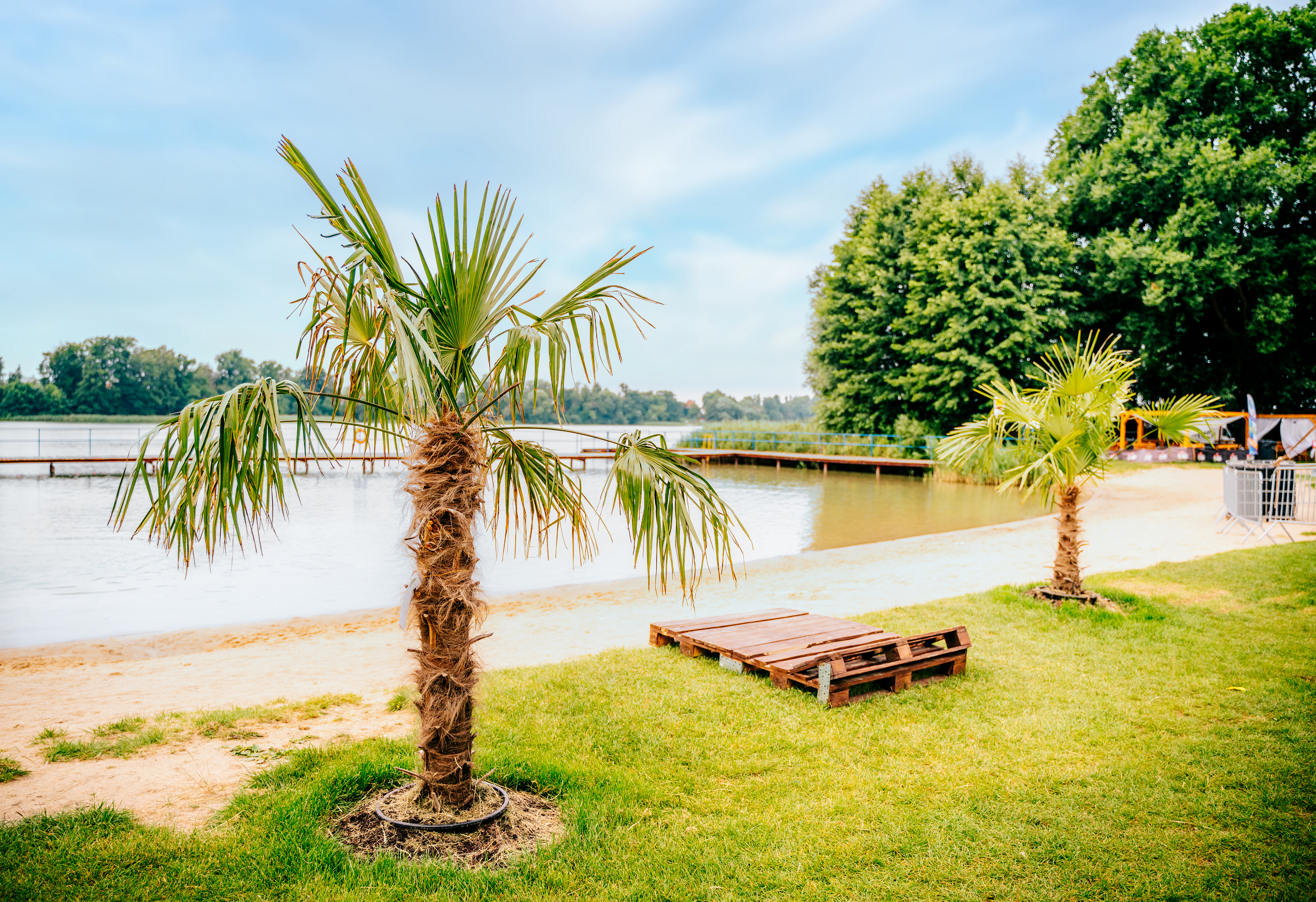
The first of the five lake districts from which our trail takes its name is the Myślibórz Lake District, with its capital in Myślibórz, on the lake of the same name. The town has retained its medieval layout and fragments of the town walls, and above all, two gates: Nowogródzka and Pyrzycka. The market square boasts a classicist-rococo town hall, and right next to it stands the collegiate church of St. John the Baptist from the early 15th century. Due to a collision with the S3 expressway, cyclists head for the town of Głazów. This slightly extends the distance and requires cyclists to ride along a section of gravel road with little traffic. From here, we take the bike path to Barlinek, which should actually be called Berlink, because before 1945 it was called Berlinchen in German. In the market square, there is a well with a sculpture of a girl being attacked by a rooster - the symbol of the town. The figure is associated with the legend of a shepherdess unjustly sentenced to death for alleged witchcraft. She was saved by geese, which flew in just before the execution and carried the girl away on their wings.
On the wall of the building at 7 Chmielna Street, where his family home is located, there is a plaque dedicated to Emanuel Lasker, the world chess champion who held this title for 27 years, the longest in history. Lasker was the author of the concept of psychological play, which involved throwing his opponent off balance. A small park on Lake Barlineckie, formerly known as "Delta Młynówki," was renamed after the legendary chess player following its revitalization. Of course, you can also play on outdoor chessboards there. Every year in June, Barlinek hosts the International Chess Festival in memory of Dr. Emanuel Lasker. It is worth visiting the atmospheric Mill-Paper Mill on the Płonia River. The building has an interesting history and is very fortunate to have survived to our times. Today, the mill is a thriving cultural center, home to the Summer School of Architecture and Landscape Ecology. Visits are possible by prior telephone appointment.
To the south lies the Barlinek Landscape Park, but we are heading north along the former railway tracks to Choszczno. Near the route are the ruins of a palace from 1898 in Sarnik, which formerly belonged to the Wedel family. The Wedel family is one of the oldest noble families in Western Pomerania, originating from Holstein and settling in the region as early as the Middle Ages. Over time, the family became Polonized, adopting Polish names and surnames (Tuczyński) and playing a significant role in administration and the military, leaving behind, among other things, the castle in Tuczno. Members of the family were known for their military service, participation in campaigns, and political influence in Western Pomerania and Greater Poland.
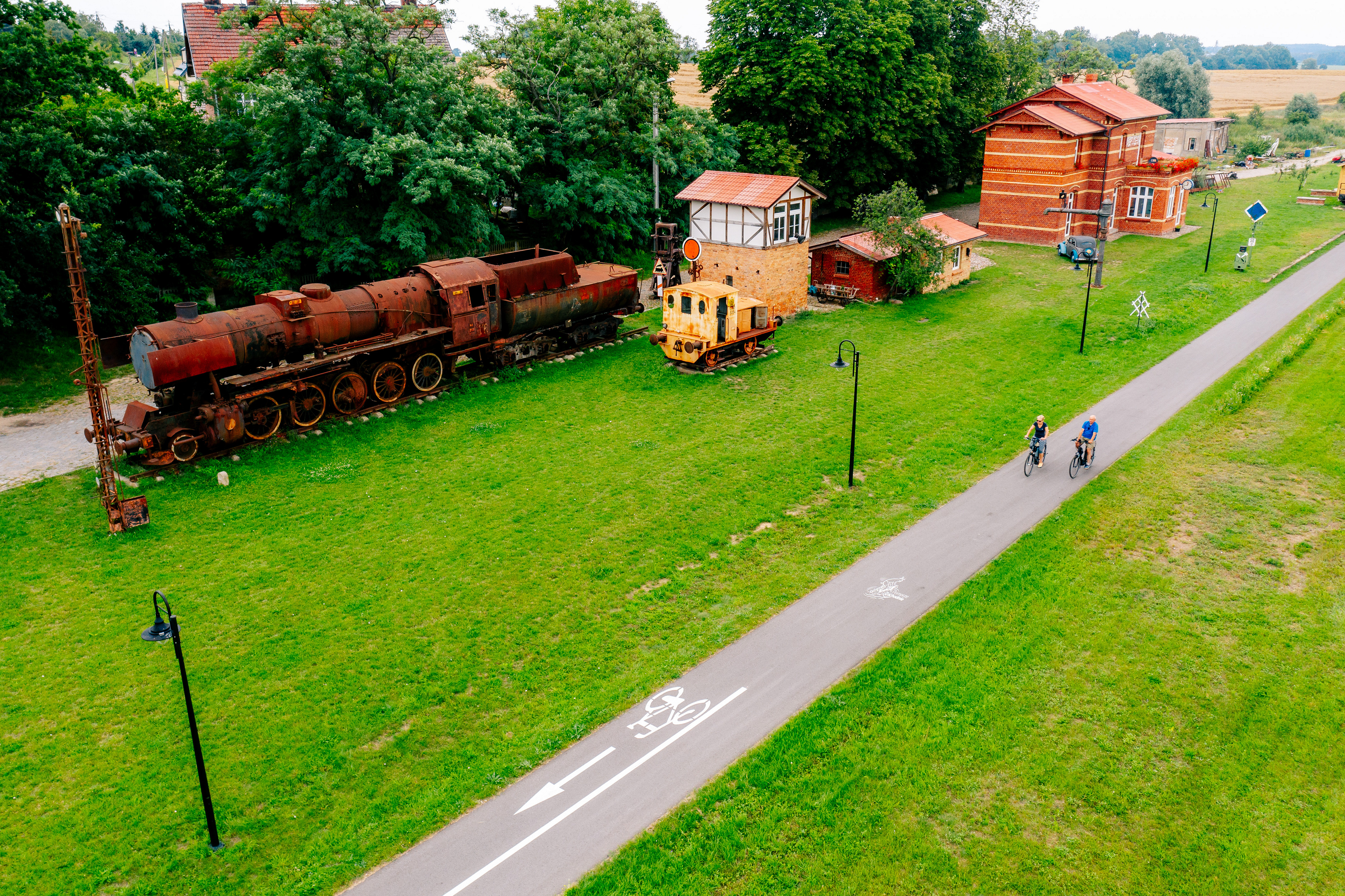
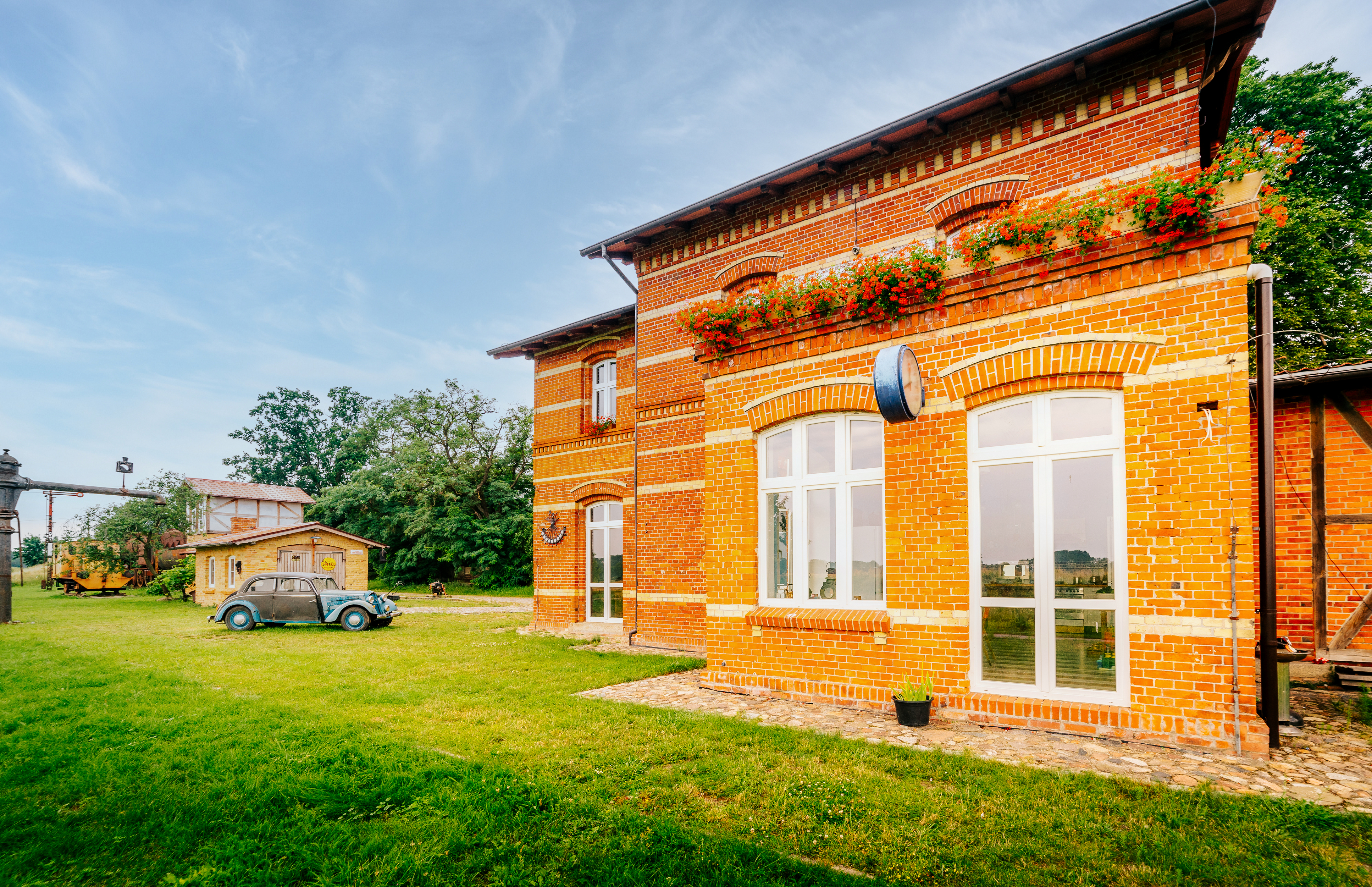
On the way, we pass the former railway station in Lubiana, which, thanks to the commitment of the village mayor, Ryszard Kwieciński, has retained its former charm. In front of the building, there is also a beautiful locomotive from 1942, awaiting renovation, and surrounded by a historic car and electric locomotive, the beginnings of a private technical open-air museum have been created - a place that will certainly interest lovers of railway and automotive history.
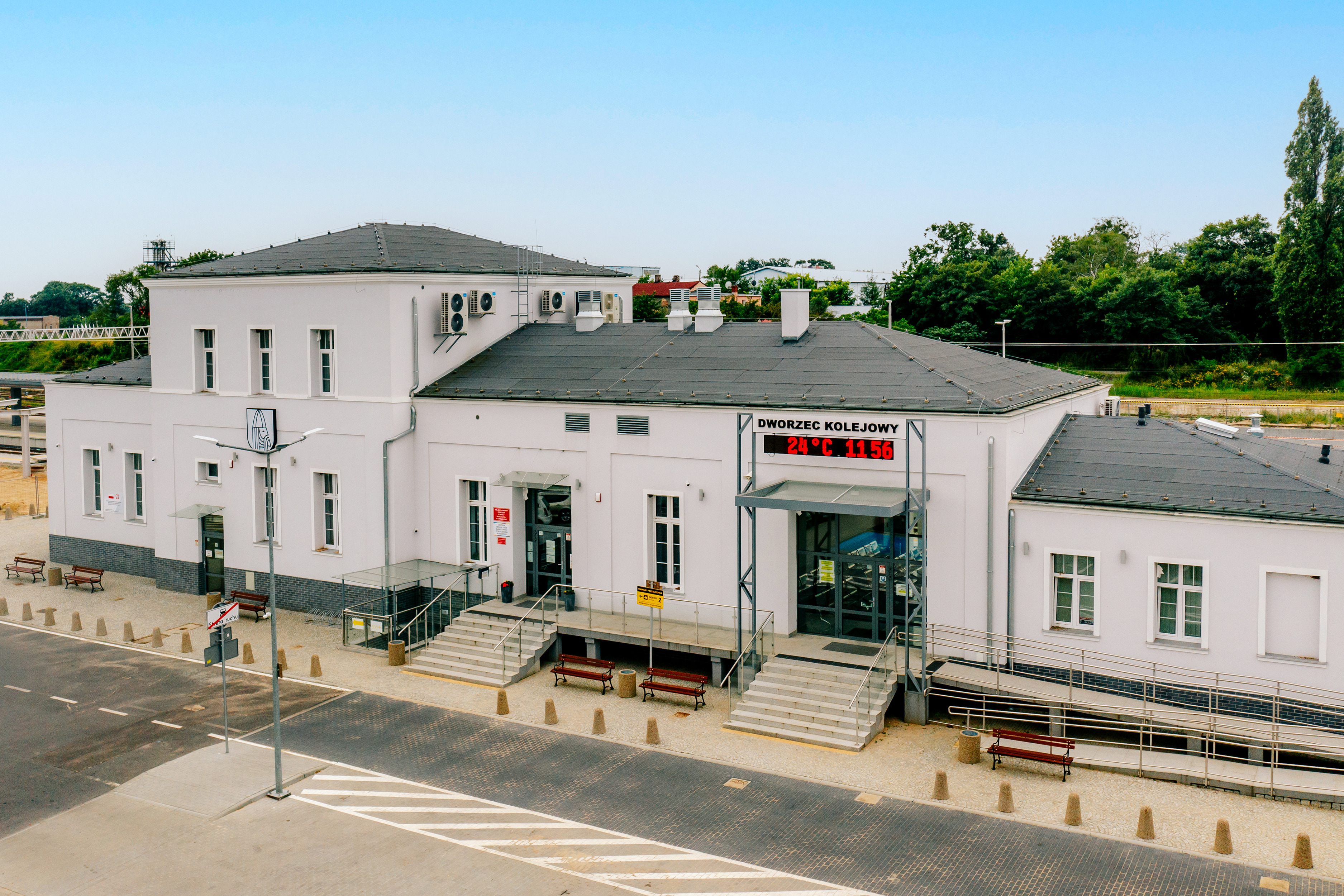
Transport: the only PKP railway station is located in Choszczno (on the Szczecin-Poznań line). Connections are operated by POLREGIO and Intercity. The timetable can be found at https://portalpasazera.pl
Surface: asphalt 95%, aggregate 4%, cobblestones 1%.
Type of traffic: bicycle paths 80%, general traffic 19%, forest/field roads 1%.