Routes and trips
 Map
Map MPR - cyclist-friendly places
 POI
POI Plan your trip
 Bike counters
 Publications
 News
News Route concept
 Contact
 Szczecin Lagoon Cycle Route - Stage III [Wolin - Świnoujście/Ahlbeck]
 Stage III: Wolin – Świnoujście/Ahlbeck [38 km]
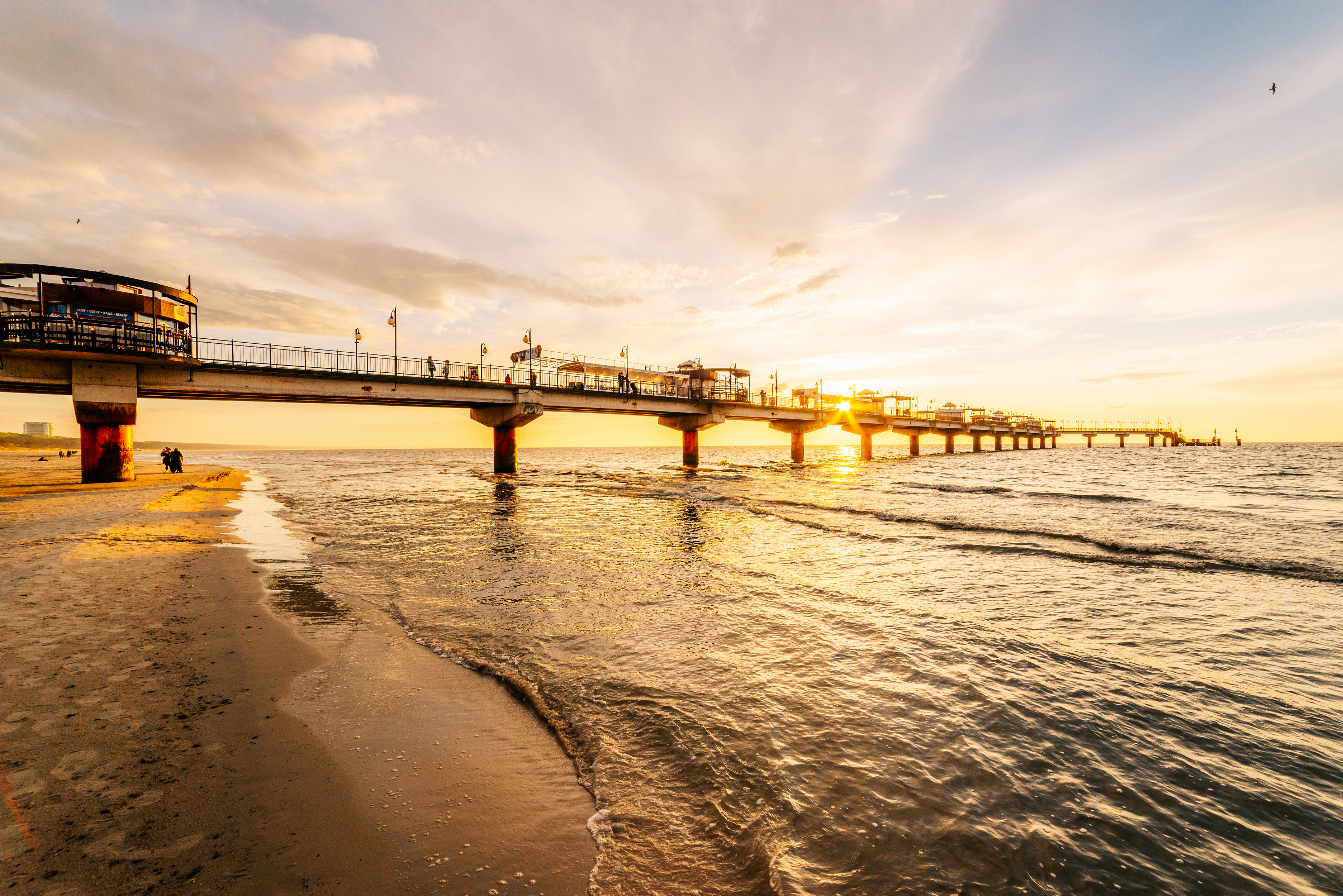
From Wolin, you can reach the sea via a marked and completed bicycle route. Some sections are separate asphalt bicycle paths, several sections are made of concrete slabs, and the forest section has a crushed stone surface. The departure point in Międzyzdroje is a 2.5 km scenic bike path made of crushed stone. Then, we follow the old R-10 trail to Świnoujście, mainly on forest dirt and gravel roads.
Trail markings: located on the Wolin-Międzyzdroje section. The section in Świnoujście has not yet been marked.
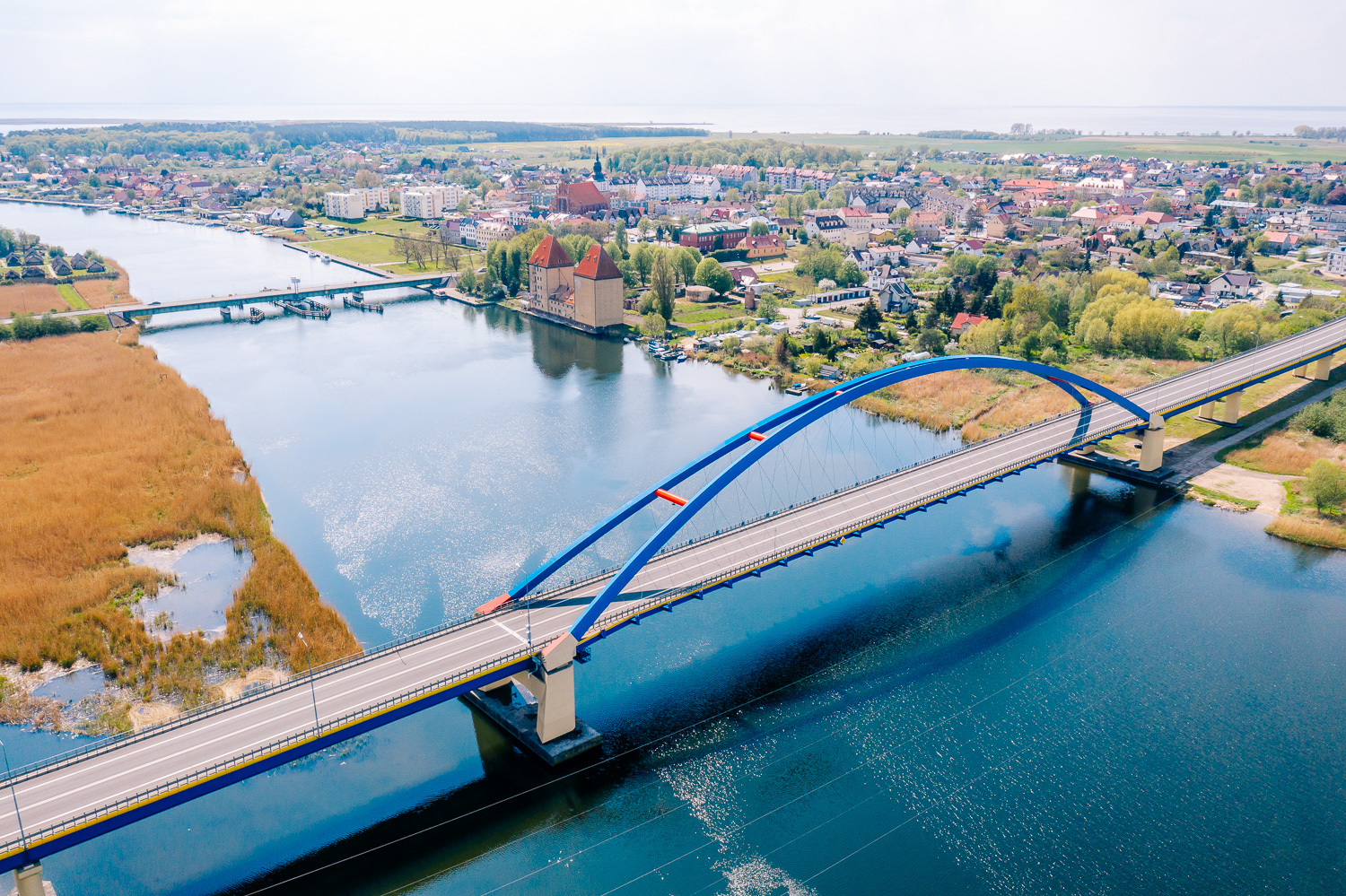
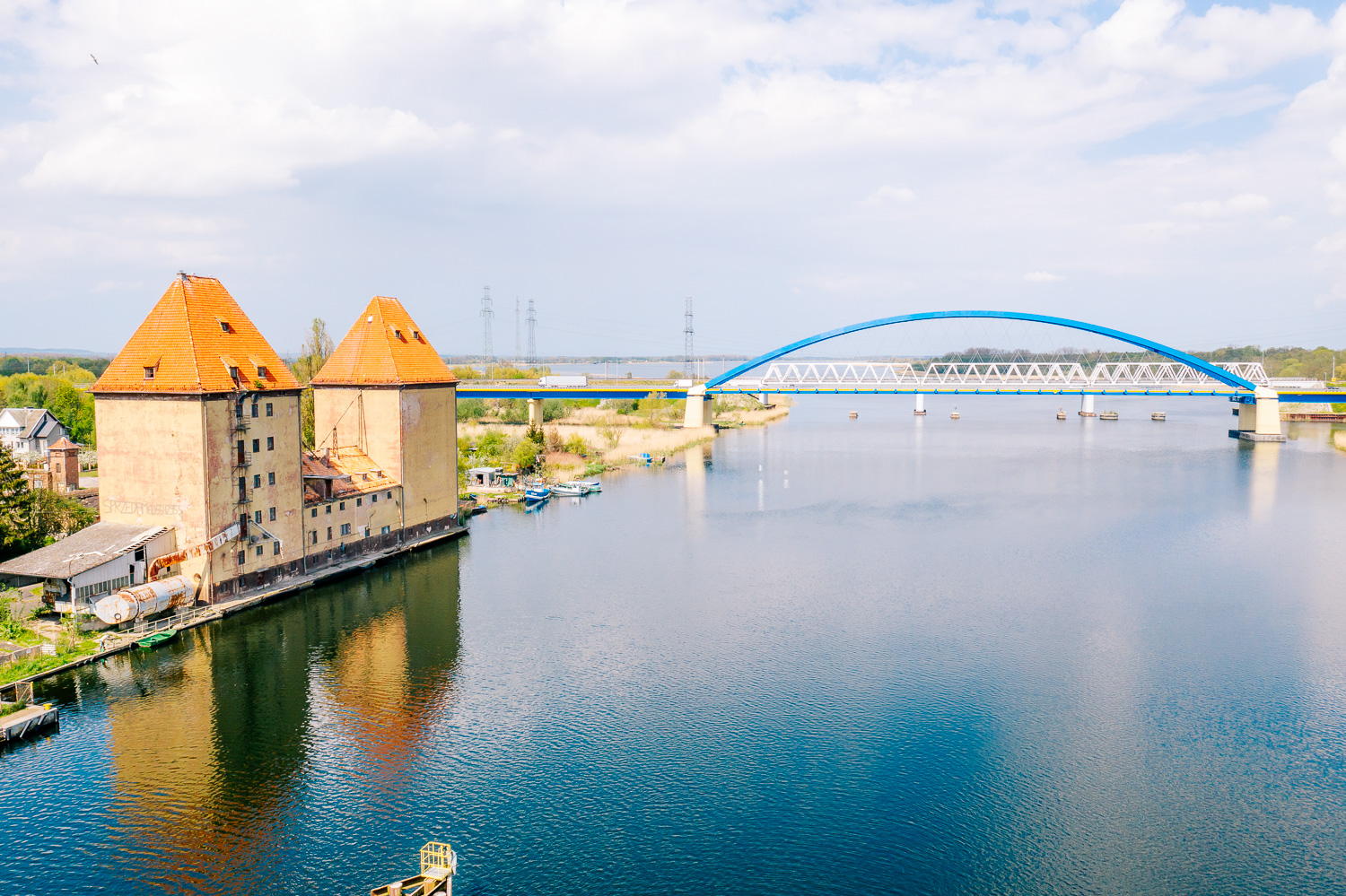
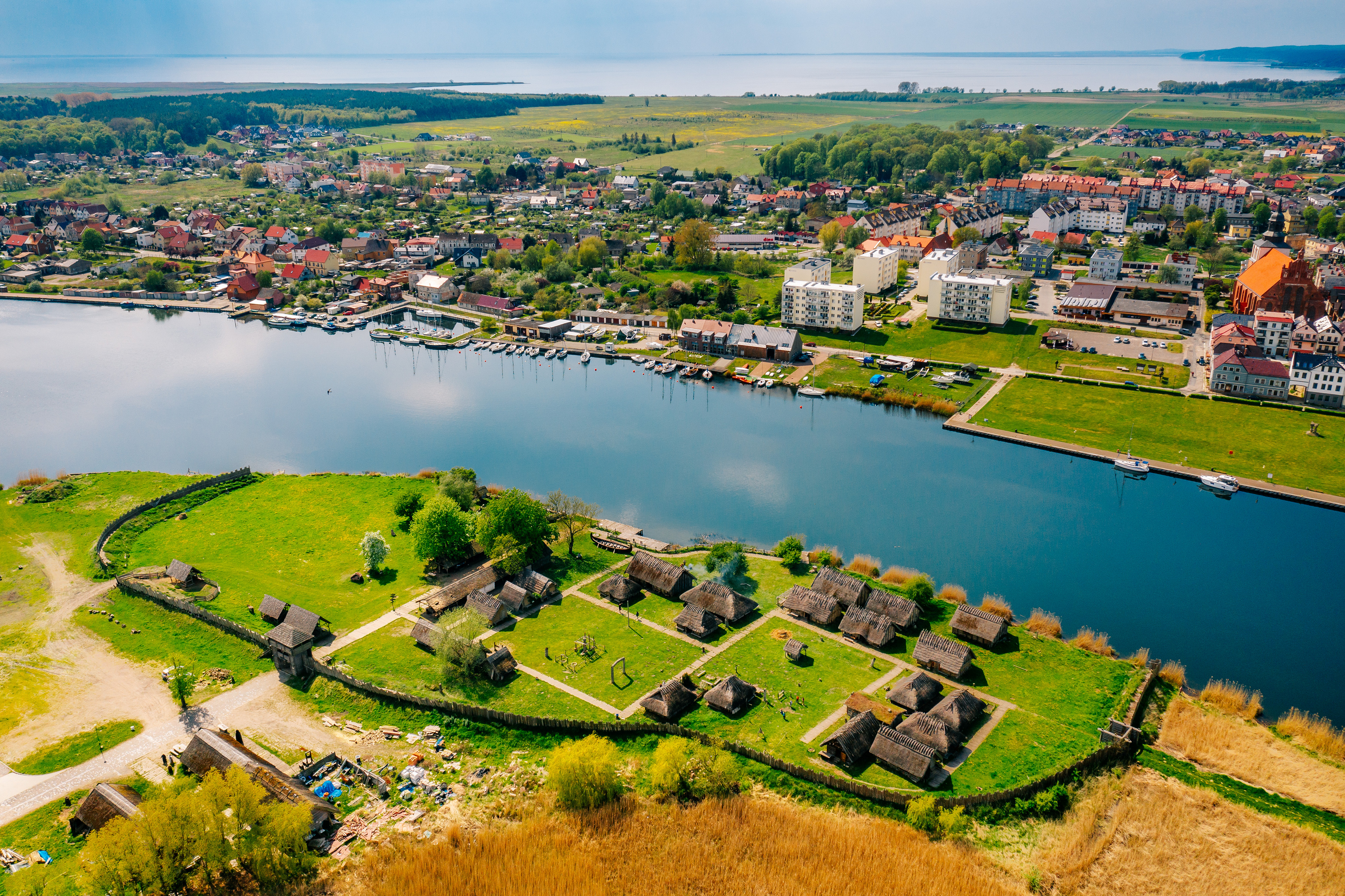
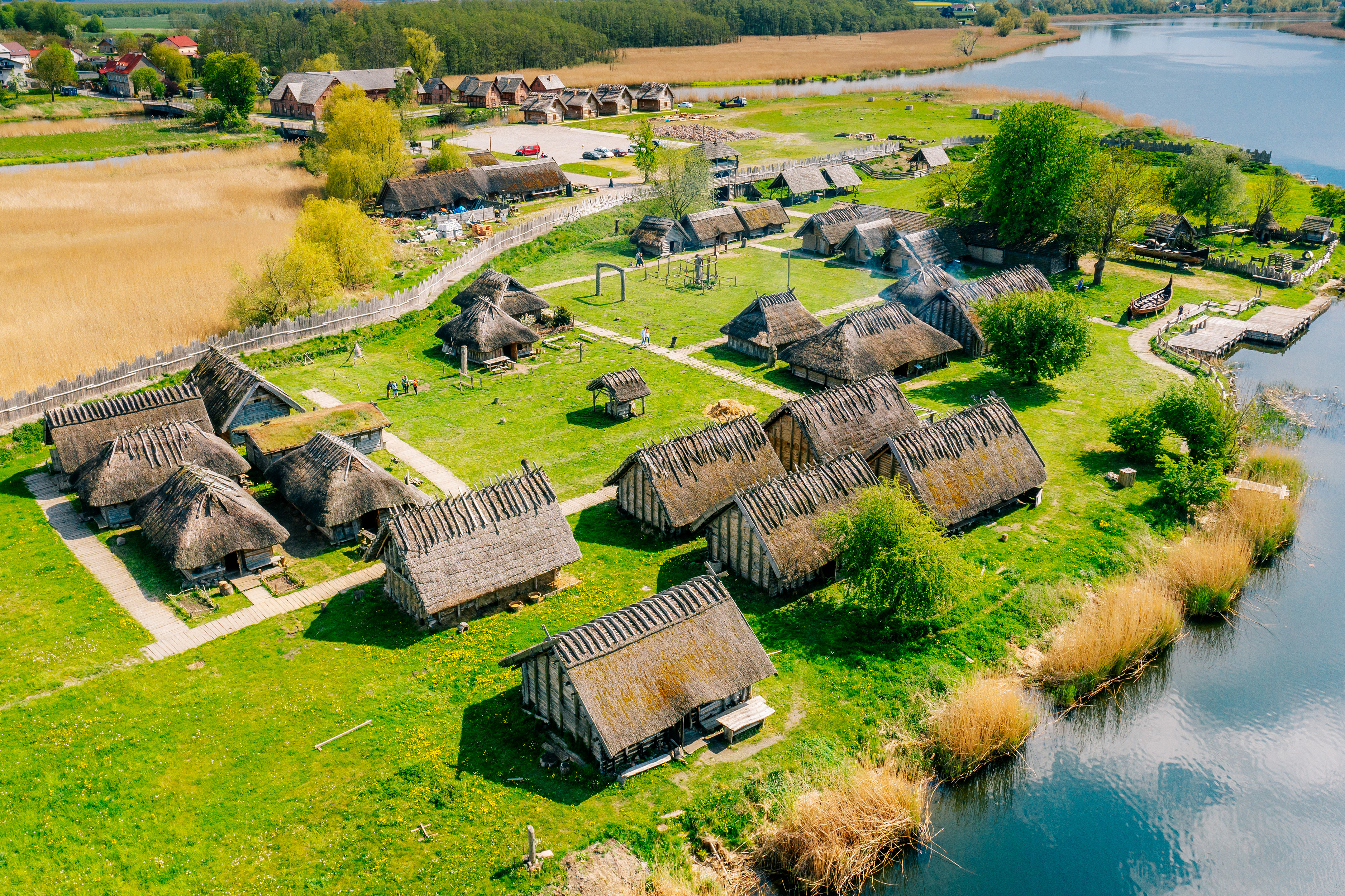
It is hard to believe what a powerful city Wolin once was. The first traces of settlement in the city date back to the Stone Age, and the capital of the Wolinian state reached its peak around the 10th century, when it was at war with Mieszko I. According to some sources, Wolin was one of the largest cities in Europe at that time, with twice as many inhabitants as Poznań or Gniezno. Ultimately, however, in 967, it was incorporated into the Polan state and became the first Polish port on the Baltic Sea. The glory of the most magnificent city of the Slavs is commemorated by the archaeological open-air museum Centre of Slavs and Vikings Jomsborg – Vineta Wolin on the island of Wolińska Kępa. Every year during the summer holidays, a great Festival of Slavs and Vikings is held here, attracting thousands of participants and tens of thousands of tourists.
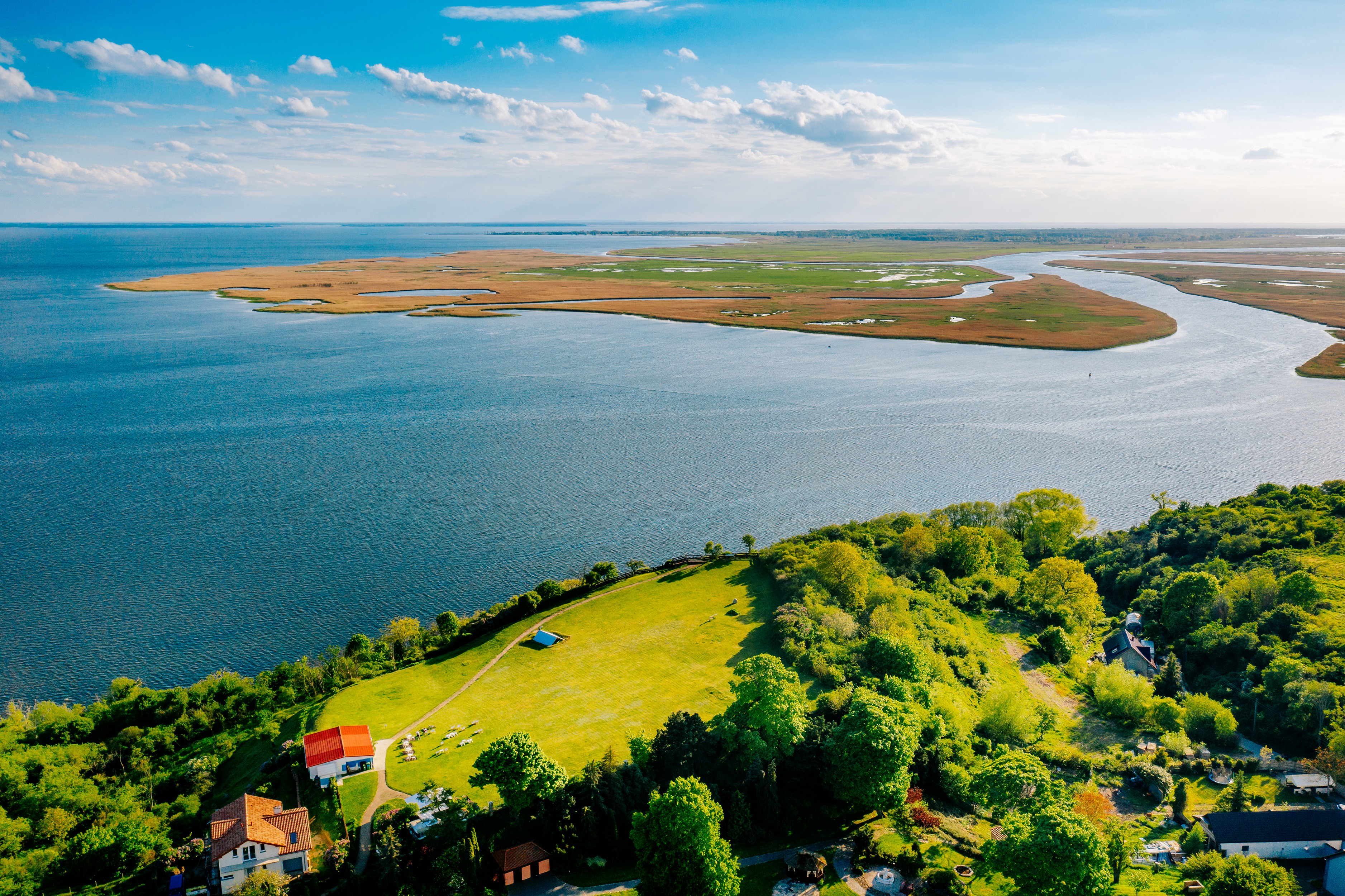
The landscape behind Wolin becomes hilly and begs you to climb one of the hills. A fantastic panorama of the Lagoon stretches from the 12th-century fortified settlement in Lubin (admission fee). If for some reason the terrace is closed, you can drive up to Zielonka Hill, from where you can enjoy an equally picturesque and free, though slightly obscured by trees, panorama of the Świna delta. Unfortunately, bikes must be left at the bottom of the stairs leading up to the hill.
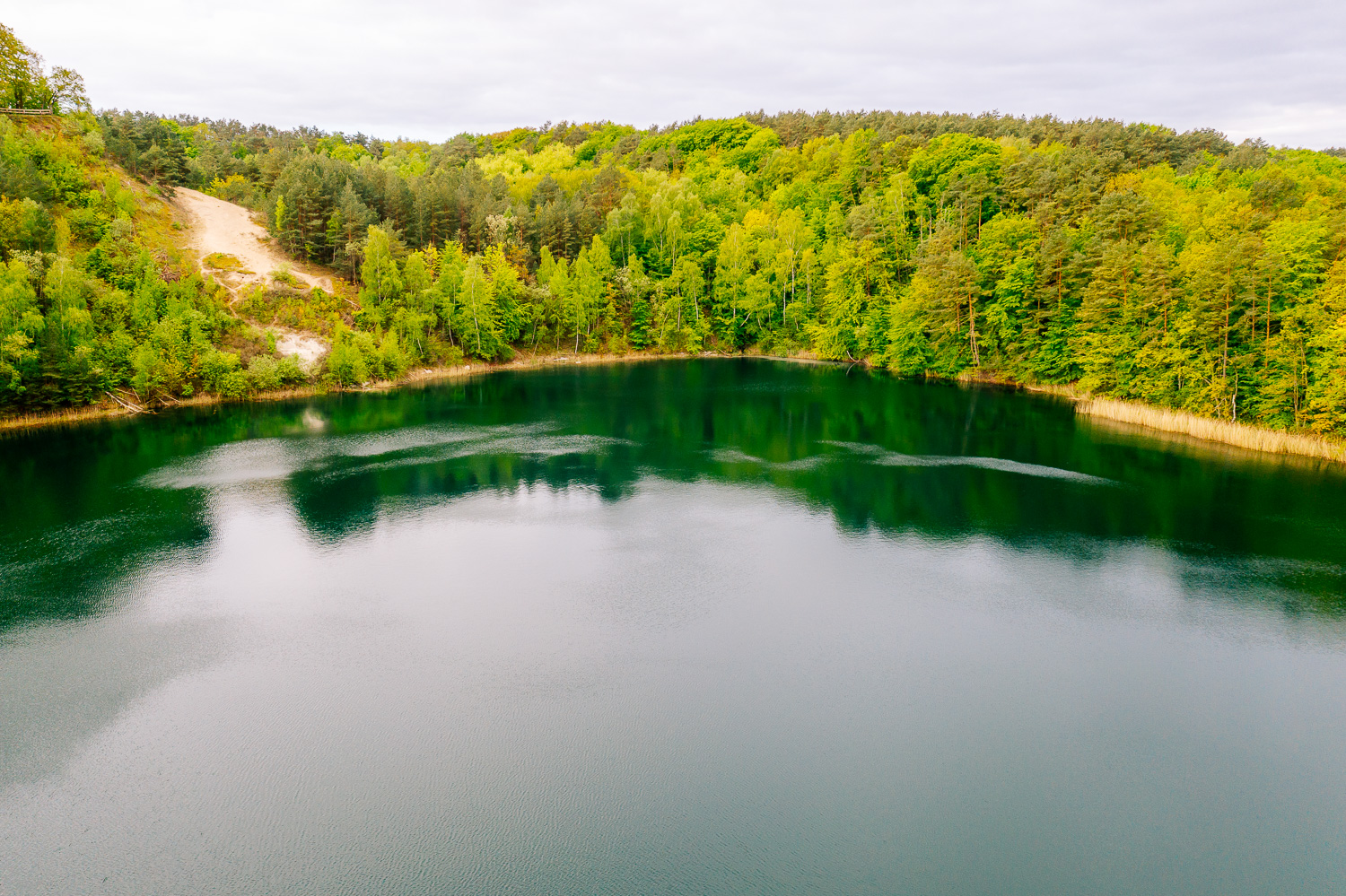
The hill is located within the Woliński National Park, as is the Turquoise Lake in neighboring Wapnica, which was formed in a former chalk quarry, hence its unusual color.
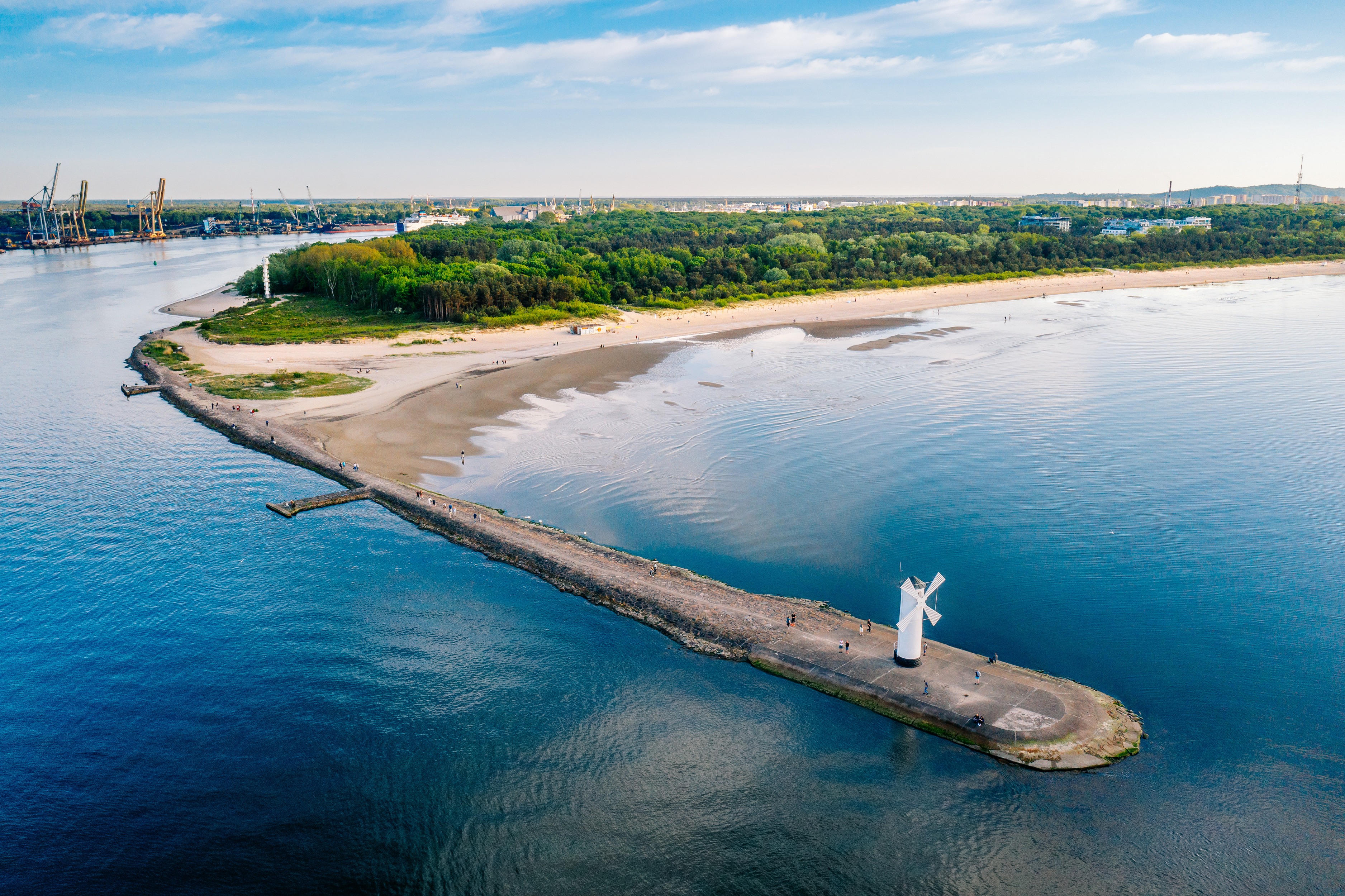
From Wapnica, it is literally a stone's throw (6 km) to Międzyzdroje. The route mainly follows a brand new bike path, and along the way, you will pass a mini museum - the V-3 Weapons Testing Ground. Hitler's wonderful weapon was the longest gun of World War II. Its barrel was 130 m long, weighed 76 tons, was operated by 157 soldiers, and was affectionately called "the centipede." Towards Świnoujście, we have one of the most beautiful trails in Western Pomerania – a 2.5 km route on the edge of a dune, with a view of the beach and the Baltic Sea. At the entrance and exit to this section, the ground is sandy – you have to push your bikes a few meters. Then a few more kilometers through the forest and we are in Świnoujście.
Transport: railway stations in Wolin, Międzyzdroje, and Świnoujście offer regional and long-distance train connections from Szczecin and Świnoujście. In addition, there is a Deutsche Bahn station on the left bank of Świnoujście with connections to Germany. Ferries run from Świnoujście to Ystad, Trelleborg, and Bornholm. In the summer, on weekends, ships carrying bicycles run between Szczecin and Świnoujście.
During the summer holiday season, Polregio trains carrying 30 bicycles will run on the Szczecin Główny - Goleniów - Wolin - Świnoujście route (other trains on this route usually carry 7 bicycles). The connections are operated by POLREGIO and Intercity. The timetable is available at https://portalpasazera.pl
Surface: asphalt 37%, aggregate 34%, cobblestones 13%, slabs 9%, dirt roads 7%.